Barbell Reverse Curl: Proper Form, Sets, Muscles Worked & FAQ
Learn how to perform the Barbell Reverse Curl with proper form to build forearm strength, brachioradialis size, and stronger arms. Includes setup, execution, sets by goal, common mistakes, FAQs, and recommended equipment.
Barbell Reverse Curl
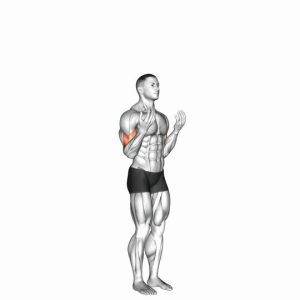
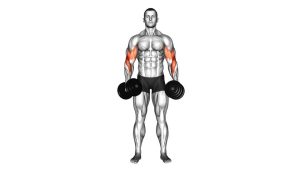
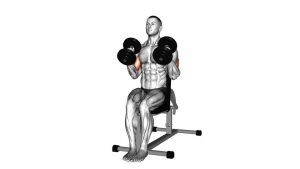
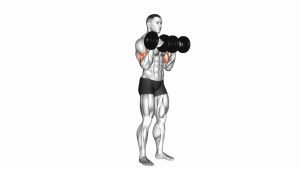
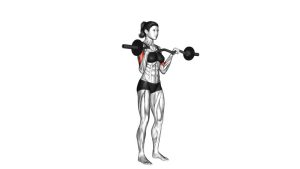
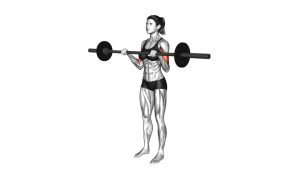
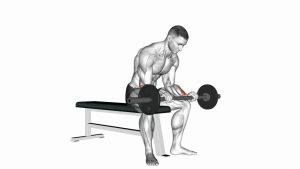
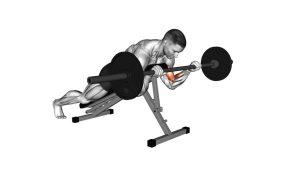
The Barbell Reverse Curl works best when performed with strict form and a controlled tempo. Because the pronated grip reduces biceps assistance, the forearms and brachialis have to work harder to move and stabilize the weight. This makes it a strong choice for building forearm thickness, improving grip-related performance, and balancing arm development.
Quick Overview
| Body Part | Forearms |
|---|---|
| Primary Muscle | Brachioradialis |
| Secondary Muscle | Brachialis, biceps brachii, wrist extensors, grip muscles |
| Equipment | Barbell (straight bar or EZ curl bar variation) |
| Difficulty | Beginner to Intermediate |
Sets & Reps (By Goal)
- Muscle growth: 3–4 sets × 8–12 reps with controlled lowering and 60–90 sec rest
- Forearm strength: 4–5 sets × 5–8 reps with heavier weight and 90–120 sec rest
- Grip endurance / accessory work: 2–3 sets × 12–15 reps with smooth tempo and 45–75 sec rest
- Arm finisher: 2–3 sets × 10–15 reps after curls, rows, or pulling work
Progression rule: Add reps before adding load. Only increase the weight when you can keep your wrists stable, your elbows tucked, and your torso still on every rep.
Setup / Starting Position
- Stand tall: Position your feet about hip-width apart and brace your core lightly.
- Use a pronated grip: Grab the bar with palms facing down at about shoulder-width.
- Start with arms extended: Let the bar hang in front of your thighs with elbows close to your torso.
- Set the shoulders: Keep your chest up and shoulders down without shrugging.
- Lock in the wrists: Keep them neutral and firm so the forearms do the work instead of the wrists collapsing backward.
Tip: If a straight bar feels harsh on your wrists, an EZ curl bar can be a more comfortable alternative while keeping the same reverse-curl focus.
Execution (Step-by-Step)
- Begin from the bottom: Start with the bar resting near your upper thighs and your elbows tucked in.
- Curl the bar upward: Flex at the elbows and raise the bar in a controlled path toward your upper waist or lower chest.
- Keep the elbows steady: Do not let them drift far forward or flare out wide.
- Squeeze at the top: Pause briefly when the forearms are fully engaged and the bar reaches the top of the rep.
- Lower slowly: Return the bar back to the starting position under control instead of letting it drop.
- Repeat smoothly: Maintain tension and posture on every rep without bouncing or swinging.
Pro Tips & Common Mistakes
- Keep your wrists neutral: Don’t let them bend back under the load.
- Use strict reps: Avoid swinging the bar up with your hips or shoulders.
- Control the eccentric: Lowering slowly improves forearm tension and overall muscle stimulus.
- Don’t flare the elbows: Keep them close to your sides for better isolation.
- Use manageable weight: Reverse curls usually require less load than standard curls.
- Train them after heavy pulling: They fit well after rows, pull-ups, or traditional curls.
- Avoid rushing the top: A short squeeze improves mind-muscle connection and keeps the rep honest.
FAQ
What muscles do barbell reverse curls work most?
The Barbell Reverse Curl mainly targets the brachioradialis in the forearm, while also training the brachialis, biceps, and supporting grip muscles.
Are reverse curls better for forearms than regular curls?
Reverse curls usually place more emphasis on the forearms because the pronated grip reduces how much the biceps can dominate the lift. Regular curls are still great, but reverse curls are often better when forearm development is a priority.
Should I use a straight bar or EZ curl bar?
A straight bar is a classic choice, but an EZ curl bar can feel more comfortable on the wrists for many lifters. Both can work well as long as you keep the pronated or semi-pronated reverse-curl mechanics.
How heavy should I go on reverse curls?
Use a weight that lets you keep the movement strict. If you need to swing the bar, shrug the shoulders, or bend the wrists back, it is too heavy for clean reverse curl training.
Can beginners do barbell reverse curls?
Yes. Beginners can use light weight and focus on clean mechanics, stable wrists, and controlled lowering. It is a very useful accessory for forearm size, grip strength, and balanced arm development.
Recommended Equipment
- Olympic EZ Curl Bar — a wrist-friendlier alternative to a straight bar for reverse curls and other arm work
- Olympic Weight Plates — lets you load the movement progressively as your forearm and arm strength improves
- Barbell Collars / Clamps — helps keep plates secure during curls and other barbell accessories
- Lifting Wrist Wraps — useful for extra wrist stability if heavy reverse curls irritate the joint position
- Grip Strength Trainer — a great accessory to build supporting grip and forearm endurance outside the gym
Tip: Keep the equipment simple. A bar, secure plates, and clean technique are enough to make reverse curls highly effective.