Dumbbell One-Arm Wrist Curl: Proper Form, Sets, Tips & FAQ
Learn the Dumbbell One-Arm Wrist Curl for stronger forearms, better grip, and improved wrist flexor development. Includes setup, execution, sets by goal, common mistakes, FAQs, and recommended equipment.
Dumbbell One-Arm Wrist Curl
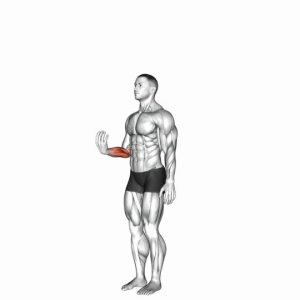
This movement works best when the forearm stays planted and the wrist does the work. A good rep should feel smooth and deliberate, with tension concentrated in the front side of the forearm rather than the shoulder, upper arm, or body. Letting the dumbbell roll slightly into the fingers at the bottom can increase the stretch and improve overall forearm recruitment, as long as you stay in control of the weight.
Quick Overview
| Body Part | Forearms |
|---|---|
| Primary Muscle | Wrist flexors |
| Secondary Muscle | Finger flexors, brachioradialis, wrist stabilizers |
| Equipment | One dumbbell and a bench, thigh, or flat surface for forearm support |
| Difficulty | Beginner |
Sets & Reps (By Goal)
- Muscle growth: 3–4 sets × 10–15 reps per arm with controlled tempo and 45–75 seconds rest
- Forearm endurance: 2–4 sets × 15–20 reps per arm with lighter load and shorter rest
- Strength foundation: 3–5 sets × 8–12 reps per arm with strict form and full range of motion
- Grip support / accessory work: 2–3 sets × 12–18 reps after rows, curls, or pull training
Progression rule: Increase reps first, then load. Keep the motion smooth and do not sacrifice wrist control just to use a heavier dumbbell.
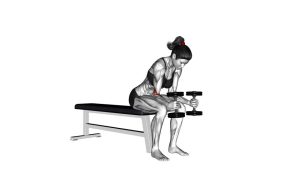
Setup / Starting Position
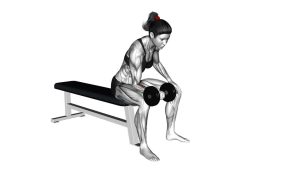
- Sit down securely: Sit on a bench or stable surface with your feet planted.
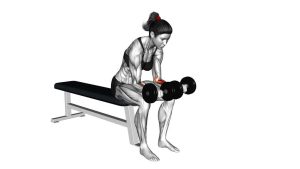
- Support the forearm: Rest one forearm on your thigh or a bench with the palm facing up.
- Let the wrist clear the edge: Position the wrist just beyond the knee or bench edge so it can move freely.
- Hold the dumbbell loosely but securely: Allow it to sit naturally in the hand with the fingers wrapped around it.
- Start with a slight stretch: Let the wrist extend downward under control before beginning the curl.
Tip: Keep the elbow quiet and the forearm glued to the support. The less extra movement you use, the more the forearm flexors have to work.
Execution (Step-by-Step)
- Lower into the stretch: Begin with the wrist extended downward in a controlled position.
- Grip the dumbbell firmly: Let the fingers close around the handle as you prepare to curl.
- Curl the wrist upward: Flex the wrist as high as comfortably possible without lifting the forearm off the support.
- Squeeze at the top: Briefly pause and contract the forearm at peak wrist flexion.
- Return slowly: Lower the dumbbell back down under control to the stretched bottom position.
- Repeat evenly: Finish all reps on one side, then switch arms.
Pro Tips & Common Mistakes
- Use full range: Don’t stop short at the bottom. The stretch helps load the wrist flexors better.
- Keep the forearm supported: Lifting the arm turns it into a sloppy curl instead of a clean forearm isolation drill.
- Control the lowering phase: The eccentric portion is valuable for hypertrophy and tendon strength.
- Don’t go too heavy: Excess load usually reduces range of motion and shifts stress into the joint.
- Avoid rushing: Smooth reps build more tension than fast, partial repetitions.
- Let the fingers assist naturally: A slight finger curl can improve contraction, but don’t let the dumbbell slip out of control.
FAQ
What muscles does the Dumbbell One-Arm Wrist Curl work?
It mainly targets the wrist flexors on the palm side of the forearm. The finger flexors and smaller wrist stabilizers also assist during the movement.
Should I let the dumbbell roll into my fingers?
Slightly, yes. Letting the handle move lower into the fingers at the bottom can increase the stretch and improve forearm engagement, as long as you stay fully in control.
Is this exercise good for grip strength?
Yes. While it is primarily a forearm hypertrophy exercise, stronger wrist flexors can support grip performance in pulling, carrying, and other strength movements.
How heavy should I go on wrist curls?
Use a weight you can control through the full range without jerking or cutting reps short. Most people benefit more from moderate weight and strict form than from going heavy.
Can beginners do one-arm wrist curls?
Absolutely. This is a beginner-friendly movement when done with light weight, steady tempo, and proper support for the forearm.
Recommended Equipment
- Adjustable Dumbbell — ideal for progressing load gradually without needing a full rack of weights
- Forearm Grippers — useful for adding extra grip and forearm training alongside wrist curls
- Adjustable Workout Bench — provides a stable support surface for stricter positioning and better isolation
- Wrist Roller / Forearm Exerciser — complements wrist curls by training the forearms through a different resistance pattern
- Grip Strength Trainer — helpful for improving hand strength, crushing grip, and forearm endurance
Tip: Choose equipment that supports clean progression and better control. For this exercise, technique matters more than using the heaviest possible load.