Dumbbell Over-Bench One-Arm Neutral Wrist Curl: Form, Sets, Tips & FAQ
Learn the Dumbbell Over-Bench One-Arm Neutral Wrist Curl to build forearm and grip strength with strict wrist isolation. Includes setup, step-by-step form, sets by goal, common mistakes, FAQs, and recommended equipment.
Dumbbell Over-Bench One-Arm Neutral Wrist Curl
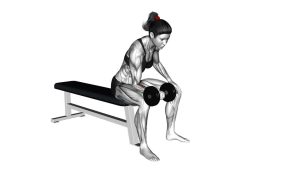
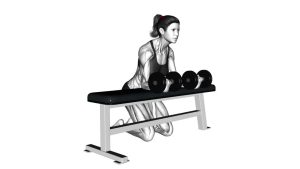
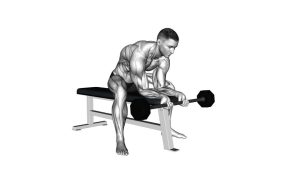
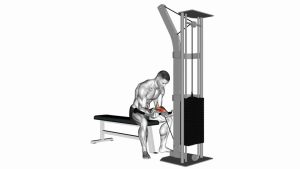
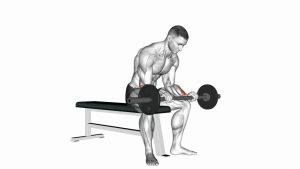
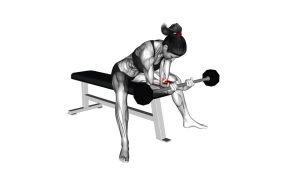
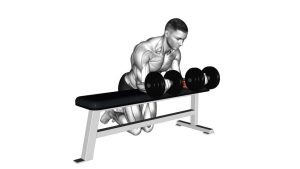
This exercise works best when you treat it like a precision movement instead of a heavy cheat-style forearm drill. Your forearm should stay planted on the bench while the wrist moves through a controlled stretch and curl. You should feel the work mainly in the forearm flexors and gripping muscles, not in the shoulder, upper arm, or lower back.
Quick Overview
| Body Part | Forearms |
|---|---|
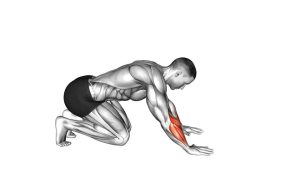
| Primary Muscle | Forearm flexors (wrist flexors) |
| Secondary Muscle | Brachioradialis, finger flexors, grip stabilizers |
| Equipment | Dumbbell and flat bench |
| Difficulty | Beginner to Intermediate |
Sets & Reps (By Goal)
- Muscle building: 3–4 sets × 10–15 reps per arm with 45–75 sec rest
- Forearm endurance: 2–4 sets × 15–20 reps per arm with 30–45 sec rest
- Strength focus: 3–5 sets × 6–10 reps per arm with 60–90 sec rest
- Finisher / pump work: 2–3 sets × 15–25 controlled reps per arm
Progression rule: Add reps before adding load. When every rep stays strict with a full stretch and no bouncing, increase the dumbbell gradually.
Setup / Starting Position
- Stand or kneel beside a flat bench: Position yourself so your working forearm can rest comfortably on top of the bench.
- Place the forearm on the bench: Let the wrist extend just past the edge so the hand and dumbbell can move freely.
- Use a neutral grip: Hold the dumbbell with the thumb facing upward and the handle vertical.
- Stabilize the arm: Keep the elbow and forearm planted firmly on the bench throughout the set.
- Start from a stretched position: Allow the wrist to lower under control so you feel a light stretch in the forearm flexors.
Tip: Keep your torso quiet and shoulders relaxed. The bench should support the forearm so the wrist can do the work without body English.
Execution (Step-by-Step)
- Brace and grip the dumbbell: Keep the forearm fixed on the bench and the wrist hanging off the edge.
- Lower into the stretch: Begin from a controlled extended position without letting the dumbbell drop.
- Curl the wrist upward: Flex the wrist and raise the dumbbell in a short, smooth arc.
- Pause briefly at the top: Squeeze the forearm without rotating the wrist or lifting the elbow.
- Lower slowly: Return to the bottom stretch under control and repeat for the target reps before switching arms.
Pro Tips & Common Mistakes
- Keep the forearm planted: The bench support is what makes this a true isolation exercise.
- Move only at the wrist: Avoid turning it into an elbow curl or shoulder-assisted lift.
- Use full but controlled range: A good stretch at the bottom improves the training effect.
- Don’t swing the dumbbell: Momentum reduces tension on the target muscles.
- Stay neutral through the grip: Avoid twisting into pronation or supination unless you are intentionally using a variation.
- Train both sides evenly: Start with your weaker arm if there is a noticeable strength imbalance.
- Keep reps smooth: Forearms respond well to controlled volume and consistent time under tension.
FAQ
What does this exercise target most?
It mainly targets the forearm flexors, which are responsible for wrist flexion and contribute to grip strength. The neutral grip also brings in stabilizing support from the brachioradialis and hand muscles.
Why do this over a bench instead of free-standing?
The bench helps lock the forearm in place so the wrist does the work. That makes the movement stricter, more repeatable, and easier to feel in the intended muscles.
Should I go heavy on neutral wrist curls?
Usually, moderate loads work best. Going too heavy often causes cheating, reduced range of motion, and extra wrist stress. Prioritize clean reps before load.
How often can I train this exercise?
Most people do well with it 1–3 times per week depending on total forearm and pulling volume. Because forearms already work during rows, curls, carries, and grip training, recovery still matters.
What are the most common mistakes?
Using too much weight, bouncing out of the bottom, lifting the forearm off the bench, shortening the range, and rushing the eccentric are the most common form breakdowns.
Recommended Equipment
- Adjustable Dumbbell — lets you progress load gradually without needing a full rack of dumbbells
- Flat Workout Bench — provides the forearm support that makes this exercise stable and strict
- Forearm Grip Trainer / Hand Grippers — useful for extra grip work alongside wrist curls
- Wrist Wraps — optional support if your wrists get irritated during heavier accessory work
- Wrist Roller / Forearm Strengthener — adds another direct forearm training option for flexors, extensors, and grip endurance
Tip: For most lifters, a bench and a light-to-moderate dumbbell are enough. Add extra grip tools only if they support your broader forearm and hand training goals.