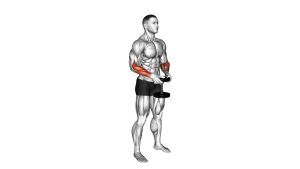
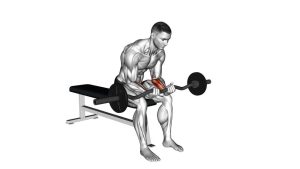
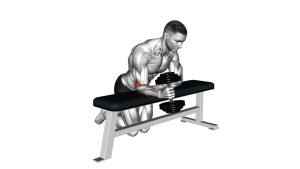
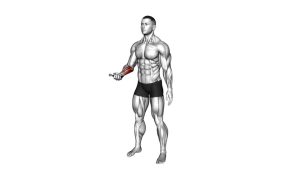
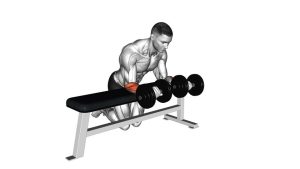
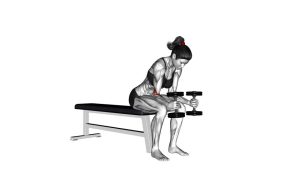
Dumbbell Seated Palms-Up Wrist Curl: Form, Sets, Tips & FAQ
Learn how to do the Dumbbell Seated Palms-Up Wrist Curl with proper form to build forearm flexor strength, wrist control, and grip endurance.
Dumbbell Seated Palms-Up Wrist Curl
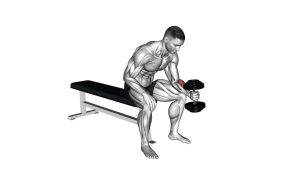
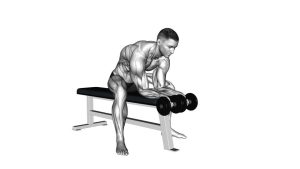
This exercise is best performed with a light-to-moderate dumbbell and strict control. The goal is not to swing the weight, but to move through a smooth wrist curl while keeping the forearm stable against the thigh. Letting the dumbbell roll slightly toward the fingers at the bottom can increase the stretch and improve forearm activation.
Quick Overview
| Body Part | Forearms |
|---|---|
| Primary Muscle | Wrist flexors |
| Secondary Muscle | Finger flexors, grip muscles, forearm stabilizers |
| Equipment | Dumbbell and flat bench |
| Difficulty | Beginner |
Sets & Reps (By Goal)
- Forearm muscle growth: 3–4 sets × 10–15 reps per arm
- Grip endurance: 2–4 sets × 15–25 reps per arm
- Wrist strength: 3–5 sets × 8–12 reps per arm
- Beginner control: 2–3 sets × 10–12 slow reps per arm
Progression rule: Add reps first, then gradually increase dumbbell weight only when you can complete every rep without lifting the forearm or swinging the wrist.
Setup / Starting Position
- Sit on a flat bench with your feet planted firmly on the floor.
- Hold a dumbbell in one hand with your palm facing upward.
- Rest your forearm on your thigh so your wrist hangs just beyond the knee.
- Keep your elbow and forearm stable throughout the movement.
- Allow the dumbbell to sit securely in your hand, with a controlled stretch at the bottom.
Your forearm should stay supported. Only the wrist should move.
Execution (Step-by-Step)
- Start in the stretched position: Lower the dumbbell until your wrist is extended comfortably.
- Curl the wrist upward: Flex your wrist and bring the dumbbell toward your forearm.
- Squeeze at the top: Pause briefly when the wrist flexors are fully contracted.
- Lower slowly: Return the dumbbell under control until the wrist is extended again.
- Repeat smoothly: Maintain a steady rhythm without bouncing or using momentum.
Pro Tips & Common Mistakes
- Use full control: The lowering phase should be slow and deliberate.
- Keep the forearm planted: Do not let the elbow or forearm rise off the thigh.
- Avoid excessive weight: Heavy dumbbells often shorten the range of motion and reduce isolation.
- Let the wrist move naturally: Do not force an uncomfortable stretch at the bottom.
- Pause at the top: A short squeeze improves forearm flexor activation.
- Train both sides evenly: Perform the same reps and tempo on each arm.
FAQ
What muscles does the Dumbbell Seated Palms-Up Wrist Curl work?
It primarily targets the wrist flexors on the inner forearm. It also involves the finger flexors and grip muscles, especially when the dumbbell rolls slightly toward the fingers at the bottom.
Should I use heavy weight for this exercise?
No. This exercise works best with a manageable weight that allows strict wrist-only movement. Going too heavy usually causes swinging, shortened range of motion, or wrist discomfort.
Can beginners do this exercise?
Yes. It is beginner-friendly because the setup is simple and the forearm is supported. Start light and focus on slow, clean reps.
Should the dumbbell roll into my fingers?
A slight controlled roll toward the fingers at the bottom can increase the stretch and improve forearm engagement. However, keep control of the dumbbell at all times.
How often should I train wrist curls?
Most lifters can train them 2–4 times per week depending on recovery, grip demands, and total arm training volume.
Recommended Equipment
- Adjustable Dumbbells — ideal for gradually increasing forearm training resistance
- Rubber Hex Dumbbells — stable, durable option for wrist curls and general strength work
- Flat Workout Bench — provides a solid seated setup for controlled forearm exercises
- Wrist Wraps — useful for extra wrist support during heavier pressing or grip-heavy sessions
- Hand Grip Strengthener — complements wrist curls by improving crushing grip and forearm endurance
Choose equipment that lets you train with control. For wrist curls, lighter dumbbells and better technique usually produce better results than heavy, sloppy reps.