Incline Finger Press: Forearm Strength, Grip Control, Form & FAQ
Learn how to perform the Incline Finger Press to strengthen finger flexors, forearms, grip endurance, and wrist stability with proper setup, reps, tips, mistakes, FAQs, and equipment.
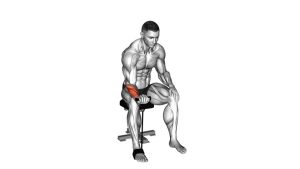
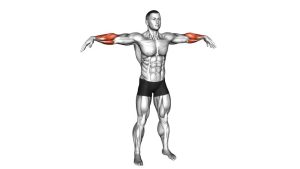
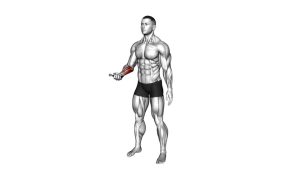
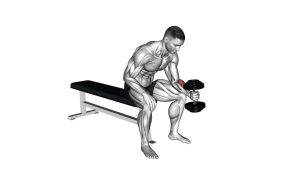
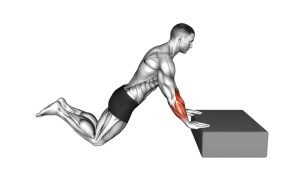
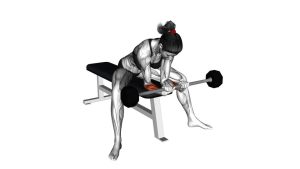
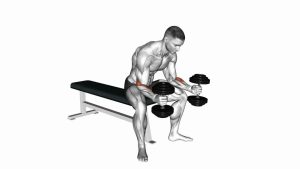
Incline Finger Press
This exercise is especially useful for building stronger hands, better grip endurance, and more resilient forearms. Because the movement is small and controlled, it is not about heavy loading or speed. The quality comes from maintaining finger pressure, keeping the wrist from collapsing, and controlling each repetition with smooth tension.
Quick Overview
| Body Part | Forearms |
|---|---|
| Primary Muscle | Finger flexors and forearm flexor group |
| Secondary Muscle | Wrist stabilizers, intrinsic hand muscles, grip-support muscles |
| Equipment | Incline bench or stable elevated surface |
| Difficulty | Beginner to Intermediate |
Sets & Reps (By Goal)
- Grip endurance: 2–4 sets × 12–20 controlled reps
- Forearm strength: 3–4 sets × 8–12 slower reps with strong finger pressure
- Warm-up / activation: 1–2 sets × 10–15 easy reps
- Control and tendon conditioning: 2–3 sets × 6–10 reps with 2–3 second holds
Progression rule: First improve control and hold time. Then increase reps, body angle difficulty, or total sets.
Setup / Starting Position
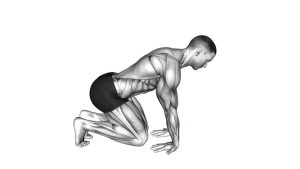
- Set the incline: Position yourself on or against an incline bench so your body is supported and stable.
- Place the hands: Set the fingers against the surface with the fingertips ready to press. Keep the palms light rather than fully loaded.
- Align the wrists: Keep the wrists firm and neutral-to-slightly extended. Avoid letting them collapse backward.
- Brace lightly: Keep the torso steady, shoulders relaxed, and elbows controlled.
- Create gentle tension: Before the first rep, lightly press through the fingers so the forearms are already engaged.
Execution (Step-by-Step)
- Begin with finger pressure: Press through the fingertips while keeping the palms from taking over the movement.
- Contract the forearms: Let the finger flexors engage as you increase pressure into the surface.
- Hold briefly: Pause for 1–3 seconds at the strongest point of the press.
- Release with control: Slowly reduce pressure without letting the wrists or fingers suddenly collapse.
- Repeat smoothly: Continue for the target reps while keeping tension precise and controlled.
Pro Tips & Common Mistakes
- Press through the fingers: Do not let the palm dominate the movement.
- Keep the wrists stable: Avoid excessive bending or collapsing at the wrist joint.
- Use slow tension: Fast reps reduce control and shift the focus away from the forearms.
- Do not force finger range: Stay within a comfortable range, especially if your fingers or wrists feel stiff.
- Avoid shoulder compensation: Keep the shoulders quiet and relaxed throughout the set.
- Use an incline that matches your level: A higher incline is easier; a lower incline increases load.
FAQ
What muscles does the Incline Finger Press work?
It mainly works the finger flexors and forearm flexor muscles. It also trains wrist stabilizers and smaller hand muscles that help support grip strength.
Is this exercise good for grip strength?
Yes. Because the movement emphasizes pressure through the fingers, it can help improve grip endurance, hand control, and forearm strength.
Should I feel this in my fingers or forearms?
You should feel both, but the strongest working sensation should come from the forearms and finger flexors. Sharp finger joint pain is not normal.
Can beginners do the Incline Finger Press?
Yes. Beginners should start with a higher incline and light pressure. The goal is clean control before increasing difficulty.
How can I make this exercise harder?
Lower the incline, increase hold time, slow the release phase, or add more reps. Progress gradually because the fingers and tendons need time to adapt.
Recommended Equipment
- Adjustable Incline Weight Bench — allows you to control the exercise angle and adjust difficulty.
- Grip Strengthener — useful for building general hand and forearm strength.
- Finger Resistance Bands — helps balance finger flexion work with finger extension training.
- Wrist Wraps — optional support for users who need extra wrist stability.
- Forearm Trainer — adds extra forearm-focused training for grip and wrist strength.
Tip: Equipment should support better control, not replace proper technique. Keep the movement smooth and pain-free.