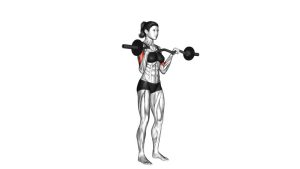
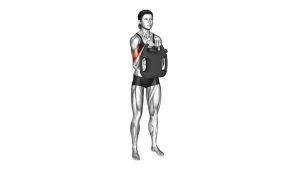
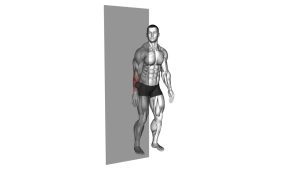
Kneeling Forward Palm Nudges: Forearm Strength, Wrist Control, Form & FAQ
Learn Kneeling Forward Palm Nudges to build forearm endurance, wrist stability, palm pressure control, and finger activation with step-by-step form, sets, tips, FAQs, and equipment.
Kneeling Forward Palm Nudges
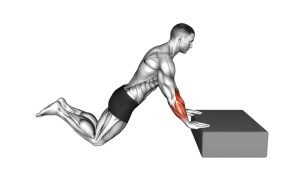
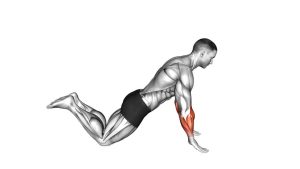
This movement is best performed with slow, clean, low-impact pressure. The goal is not to lean the whole body forward, but to create a controlled pulse through the palms, fingers, wrists, and forearms. It is especially useful for people who want to strengthen the hands and wrists without dumbbells, barbells, or machines.
Quick Overview
| Body Part | Forearms |
|---|---|
| Primary Muscle | Forearm flexors and wrist stabilizers |
| Secondary Muscle | Forearm extensors, finger flexors, hand intrinsic muscles, shoulders, and core stabilizers |
| Equipment | No equipment required; optional exercise mat |
| Difficulty | Beginner-friendly, with easy progression by increasing time under tension |
Sets & Reps (By Goal)
- Beginner wrist control: 2–3 sets × 8–12 slow nudges
- Forearm endurance: 3–4 sets × 15–25 controlled nudges
- Grip and finger activation: 3 sets × 10–15 reps with a 2-second palm press each rep
- Warm-up before lifting: 1–2 sets × 10–15 light reps
- Rehab-style control: 2–3 sets × 6–10 gentle reps with very small range
Progression rule: Increase control before intensity. Add reps, slow the tempo, or hold the forward nudge longer before increasing pressure.
Setup / Starting Position
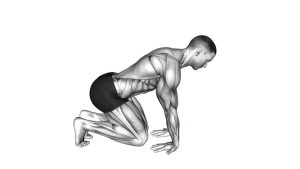
- Kneel on the floor: Place both knees on a mat with your torso upright and stable.
- Position your hands forward: Bring your hands in front of your body with palms ready to press forward.
- Spread the fingers: Keep the fingers active and slightly spread to create better hand contact and control.
- Relax the shoulders: Keep your traps down and avoid shrugging.
- Brace lightly: Keep your ribs stacked and core engaged so the movement comes from the hands and forearms, not from collapsing forward.
Execution (Step-by-Step)
- Start tall: Kneel with a neutral spine, relaxed shoulders, and hands placed in front of you.
- Create palm pressure: Press gently through the palms and fingers as if nudging something forward.
- Move in a small range: Let the wrists and forearms create the movement instead of leaning your whole body.
- Pause briefly: Hold the forward pressure for 1–2 seconds while keeping the fingers engaged.
- Return with control: Ease the pressure back without snapping, shaking, or dropping tension completely.
- Repeat smoothly: Continue for the target reps while keeping every nudge small, deliberate, and consistent.
Pro Tips & Common Mistakes
- Keep the movement small: This is a precision drill, not a large bodyweight push.
- Press through the whole hand: Use the palm, fingers, and base of the fingers instead of collapsing into the wrist joint.
- Avoid shoulder dominance: If the shoulders take over, reset and make the nudge lighter.
- Do not lock the elbows: Keep a soft bend so the wrists and forearms can work naturally.
- Control the return: Do not bounce back. The backward phase should be just as controlled as the forward nudge.
- Use a mat: A soft surface can make kneeling more comfortable and help you focus on the forearm work.
- Stop before pain: Forearm fatigue is fine; sharp wrist discomfort is not.
FAQ
What muscles do Kneeling Forward Palm Nudges work?
They mainly train the forearm flexors, wrist stabilizers, and finger flexors. The forearm extensors, shoulders, and core also help stabilize the position.
Is this exercise good for wrist stability?
Yes. Because the movement uses controlled palm pressure and small wrist action, it can help improve wrist awareness, stability, and forearm endurance when performed without pain.
Do I need equipment for this exercise?
No equipment is required. An exercise mat is optional for knee comfort, and grip tools or resistance bands can be used separately to support overall forearm training.
Should I feel this in my shoulders?
A little shoulder stabilization is normal, but the main feeling should be in the hands, wrists, and forearms. If your shoulders dominate, reduce the pressure and avoid leaning your whole body forward.
Can beginners do Kneeling Forward Palm Nudges?
Yes. This is beginner-friendly because the pressure is self-controlled. Start with small nudges, low effort, and short sets before increasing reps or hold time.
Recommended Equipment
- Exercise Mat — provides knee comfort and a stable base for kneeling forearm drills
- Wrist Wraps — useful for light wrist support during training sessions
- Hand Grip Strengthener — helps build additional grip and forearm strength outside this movement
- Finger Resistance Bands — trains finger extension balance and supports hand strength development
- Forearm Wrist Roller — excellent for progressive forearm endurance and wrist control training
Tip: Equipment is optional. Master the bodyweight palm nudge first, then use grip tools or wrist rollers to build more complete forearm strength.