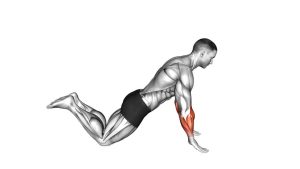
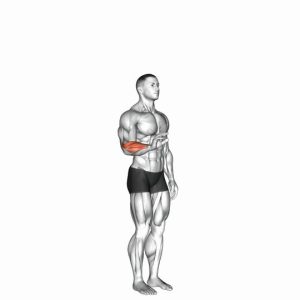
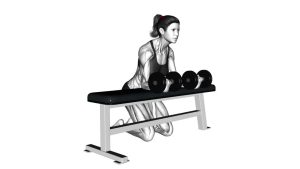
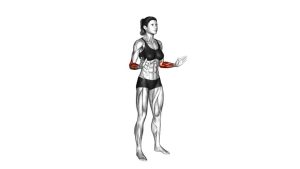
Roll Ball Forearm Extensors: Form, Sets, Tips & FAQ
Learn the Roll Ball Forearm Extensors exercise to strengthen wrist extensors, improve forearm control, and support grip balance with proper setup, execution, tips, FAQs, and equipment.
Roll Ball Forearm Extensors
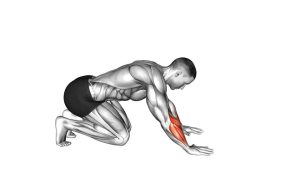
This exercise is especially useful for building balanced forearm strength because many people overtrain gripping and wrist flexion while neglecting the wrist extensors. Strong wrist extensors help support lifting mechanics, typing posture, racquet sports, climbing, combat sports, and general hand control. The movement may look small, but when performed slowly it creates focused tension through the back of the forearm and improves the ability to control wrist position under load.
The key is to keep the motion clean and isolated. Your forearm should stay supported, your elbow should remain quiet, and your wrist should guide the ball through a controlled rolling path. Avoid rushing, bouncing, or using the shoulder to create motion. Think of this as a precision strength drill: small range, smooth tempo, steady pressure, and no pain.
Quick Overview
| Body Part | Forearms |
|---|---|
| Primary Muscle | Forearm extensors |
| Secondary Muscle | Wrist stabilizers, finger extensors, grip stabilizers |
| Equipment | Roll ball, massage ball, lacrosse ball, or small firm exercise ball |
| Difficulty | Beginner to Intermediate |
Sets & Reps (By Goal)
- Forearm activation: 2 sets × 10–15 slow reps per side with light pressure and full control.
- Strength and control: 3–4 sets × 12–20 reps per side using a slow tempo and a brief pause at the extended position.
- Rehab-style endurance: 2–3 sets × 15–25 light reps, focusing on pain-free motion and smooth wrist tracking.
- Warm-up before lifting: 1–2 sets × 10–12 reps per side before curls, rows, presses, deadlifts, or grip-heavy training.
- Desk-break reset: 1–2 sets × 8–12 easy reps to wake up the wrist extensors after long typing sessions.
Progression rule: Improve control before adding difficulty. Progress by slowing the tempo, increasing the pause, using a firmer ball, or adding more reps. Do not progress by forcing the wrist into a painful range.
Setup / Starting Position
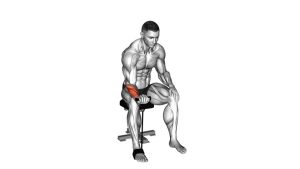
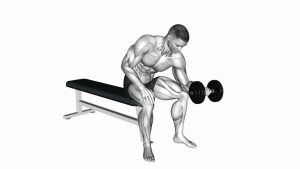
- Choose your support: Sit or stand near a stable surface such as a bench, table, or your thigh. The forearm should be supported enough that the wrist can move independently.
- Position the forearm: Rest the forearm with the wrist free to move. The elbow should stay bent and stable, not floating or shifting during the rep.
- Place the ball: Position the roll ball under the hand or in the palm so it can travel smoothly forward and backward as the wrist extends and returns.
- Set the hand angle: Start with the palm facing down or slightly angled. Keep the wrist neutral or slightly flexed before beginning the first repetition.
- Relax the shoulder: Keep the shoulder down and away from the ear. Avoid shrugging or bracing through the upper body.
- Use light pressure: Apply enough contact to control the ball, but do not crush it with the hand. The wrist extensors should lead the exercise.
Tip: If the ball slips or the motion feels unstable, slow down and reduce the range. A clean small rep is better than a large uncontrolled rep.
Execution (Step-by-Step)
- Brace the forearm: Keep your forearm supported and steady. The elbow should stay fixed so the movement comes from the wrist.
- Start from neutral: Begin with the wrist relaxed, palm facing down or slightly angled, and the ball controlled under the hand.
- Roll the ball forward: Slowly extend the wrist by lifting the back of the hand. Let the ball roll forward in a smooth, controlled path.
- Feel the top forearm work: Focus on the muscles along the top of the forearm. Do not squeeze aggressively with the fingers or pull with the shoulder.
- Pause at the top: Hold the extended position for 1–2 seconds while keeping the wrist comfortable and the elbow still.
- Control the return: Slowly roll the ball back toward the start position. Resist the urge to let it drop or snap back quickly.
- Repeat with the same rhythm: Keep every rep smooth, quiet, and consistent. Stop the set if your form starts to break down.
Pro Tips & Common Mistakes
- Keep the movement slow: Fast rolling usually removes tension from the target muscles. Use a steady tempo to make the forearm extensors work.
- Do not overgrip the ball: A death grip shifts attention toward the hand and finger flexors. Keep the grip firm enough to control the ball but relaxed enough to feel the wrist extensors.
- Keep the elbow quiet: If the elbow moves, the exercise becomes less isolated. Anchor the forearm and let the wrist create the rolling motion.
- Avoid excessive wrist extension: You do not need to crank the wrist high. Stop at a comfortable range where you still feel control.
- Control the eccentric phase: The return is just as important as the lift. Lower slowly to build tendon control and improve wrist stability.
- Use both arms equally: Train the weaker side first and match the same reps with the stronger side to reduce imbalance.
- Pair with wrist flexion work: For balanced forearm development, combine this with wrist flexion, pronation, supination, and grip exercises.
- Avoid pain-based training: Mild muscular fatigue is fine. Sharp joint pain, burning nerve sensations, or lingering elbow irritation means the load or range is too much.
FAQ
What muscles does the Roll Ball Forearm Extensors exercise work?
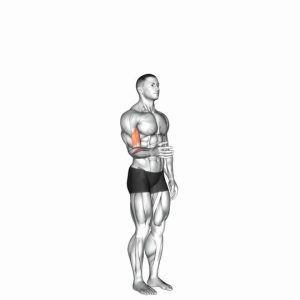
It primarily targets the forearm extensors, the muscles on the top side of the forearm that help extend the wrist and stabilize the hand. It also lightly trains the finger extensors and smaller wrist stabilizers.
Where should I feel this exercise?
You should feel controlled muscular work on the top of the forearm, especially near the wrist extensor area. You should not feel sharp pain in the wrist joint, elbow joint, or fingers.
Is this good for wrist strength?
Yes. This exercise helps build wrist-extension strength and improves your ability to control the wrist during gripping, lifting, typing, and sports movements.
Can beginners do Roll Ball Forearm Extensors?
Yes. Beginners should start with light pressure, a small range of motion, and slow reps. A softer or smaller ball can make the movement easier to control.
How often should I train forearm extensors?
Most people can train them 2–4 times per week depending on recovery. If you already do heavy pulling, gripping, or racquet sports, start with lower volume.
Why train wrist extensors if I already do grip work?
Grip work often emphasizes the flexor side of the forearm. Training the extensors helps balance the wrist, support healthier movement mechanics, and improve hand control.
Should the ball move fast or slow?
Slow is better. A controlled rolling path keeps tension on the wrist extensors and helps prevent sloppy compensation from the elbow, shoulder, or fingers.
Recommended Equipment
- Massage Ball for Forearms — useful for controlled rolling drills and forearm soft-tissue preparation
- Lacrosse Massage Ball — a firmer option for stable pressure and precise forearm work
- Wrist Strengthener — helps progress wrist flexion, extension, and grip-support strength
- Forearm Trainer — useful for building general forearm endurance and wrist control
- Therapy Putty Hand Exercise Set — helpful for finger strength, hand control, and rehab-style accessory work
Tip: Choose equipment that allows smooth, pain-free movement. A ball that is too hard or too slippery may make the exercise harder to control.