Alternate Heel Touchers: Proper Form, Oblique Benefits, Sets, Tips & FAQ
Learn how to do Alternate Heel Touchers with proper form to target your obliques, abs, and waist. Includes setup, step-by-step execution, sets, mistakes, FAQs, and equipment.
Alternate Heel Touchers
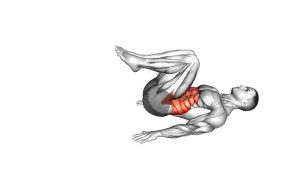
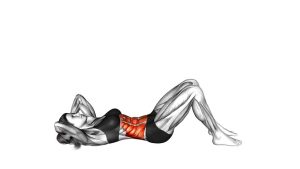
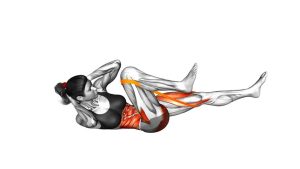
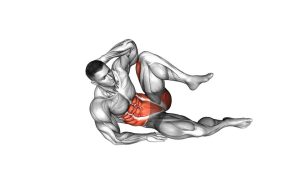
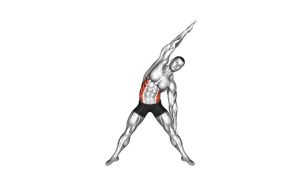
Alternate Heel Touchers are excellent for beginners because they require no equipment, very little space, and are easy to scale. They are commonly used in home ab workouts, waist-focused routines, warm-ups, core finishers, and bodyweight training circuits. In the video demonstration, the athlete lies on the back with the knees bent, feet flat, arms extended beside the body, and shoulders slightly raised. From there, the torso bends from side to side as each hand reaches toward the same-side heel.
This movement should feel like a controlled squeeze along the sides of your waist. The abs stay engaged the entire time, and the shoulders remain off the floor without excessive neck pulling. A small range of motion is enough when the movement is performed correctly. Focus on smooth side-to-side control, not speed.
Quick Overview
| Body Part | Core |
|---|---|
| Primary Muscle | Obliques |
| Secondary Muscle | Rectus abdominis, transverse abdominis, hip flexors as stabilizers |
| Equipment | No equipment required; optional exercise mat |
| Difficulty | Beginner |
Sets & Reps (By Goal)
- Beginner core control: 2–3 sets × 10–16 total touches, moving slowly from side to side.
- Oblique endurance: 3–4 sets × 20–30 total touches with steady breathing and no neck strain.
- Waist-focused finisher: 2–4 rounds × 30–45 seconds, resting 30–45 seconds between rounds.
- Core circuit training: 30 seconds paired with planks, reverse crunches, dead bugs, or leg raises.
- Slow-control variation: 3 sets × 8–12 touches per side with a 1-second squeeze near each heel.
Progression rule: Increase total touches or time only when you can keep your shoulders lifted, abs tight, and neck relaxed. Quality matters more than speed.
Setup / Starting Position
- Lie on your back: Start on a comfortable mat with your knees bent and your feet flat on the floor.
- Set your feet: Keep your feet around hip-width apart. Your heels should be close enough that you can reach toward them with a small side bend, but not so close that the movement becomes too easy.
- Position your arms: Extend both arms down along the sides of your body with your palms facing inward or slightly down.
- Lift the shoulders slightly: Raise your head and upper back just enough to create abdominal tension. Do not crunch aggressively.
- Brace your core: Pull the ribs slightly down, flatten the low back gently toward the floor, and keep your pelvis stable.
- Relax your neck: Keep your chin slightly tucked and your eyes looking forward/upward instead of forcing the head toward the chest.
A good setup should feel stable and controlled before you start moving. If your feet slide, place them firmly into the floor and slow the tempo.
Execution (Step-by-Step)
- Start in the lifted position: Keep your shoulders slightly off the floor and maintain light abdominal tension.
- Reach to one side: Bend your torso sideways and slide your right hand toward your right heel.
- Squeeze the waist: Let the movement come from the side of your abdomen, not from swinging your arm.
- Return through center: Bring your torso back to the middle without fully relaxing your shoulders down.
- Reach to the opposite side: Slide your left hand toward your left heel while bending through the left side of your waist.
- Continue alternating: Move right, center, left, center in a steady rhythm.
- Control your breathing: Exhale as you reach toward each heel and inhale lightly as you pass through center.
Pro Tips & Common Mistakes
Pro Tips
- Think “rib to hip”: Shorten the side of your waist as you reach toward the heel.
- Keep the movement small: You do not need a huge range to train the obliques effectively.
- Maintain constant tension: Avoid dropping your shoulders completely between reps.
- Use a smooth rhythm: A controlled tempo works better than fast, sloppy repetitions.
- Keep your feet grounded: Stable feet help you isolate the core instead of shifting the legs.
Common Mistakes
- Pulling with the neck: This can cause discomfort and reduce abdominal focus.
- Swinging the arms: The arms should guide the reach, not create momentum.
- Twisting instead of side bending: The movement should be mostly lateral, not a big rotation.
- Moving too fast: Speed often reduces oblique tension and increases rocking.
- Letting the abs relax: Keep the core lightly braced from the first rep to the last.
FAQ
What muscles do Alternate Heel Touchers work?
Alternate Heel Touchers mainly target the obliques, which run along the sides of your waist. They also involve the rectus abdominis and deep core muscles because your shoulders stay lifted and your trunk stays braced throughout the movement.
Are Alternate Heel Touchers good for beginners?
Yes. This is a beginner-friendly core exercise because it uses bodyweight only and has a simple movement pattern. Beginners should start with slower reps and a smaller range of motion to avoid neck strain or momentum.
Should my heels be close or far from my body?
Your heels should be close enough that you can reach toward them with a controlled side bend. If they are too far away, you may strain or twist excessively. If they are too close, the exercise may feel too easy.
Why do I feel this exercise in my neck?
Neck tension usually happens when the head is pulled too far forward or the shoulders are lifted too aggressively. Keep the chin gently tucked, reduce the height of the shoulder lift, and focus on using your abs instead of your neck.
Can Alternate Heel Touchers reduce belly fat or waist fat?
They can strengthen and tone the muscles around the waist, but they do not directly burn fat from one specific area. For visible fat loss, combine core training with full-body workouts, consistent nutrition, and overall calorie control.
Recommended Equipment (Optional)
- Exercise Mat — provides cushioning for your spine and improves comfort during floor core exercises.
- Non-Slip Yoga Mat — helps keep your body stable while reaching side to side.
- Ab Exercise Mat — adds extra lumbar support for ab and oblique movements.
- Core Sliders — useful for progressing into more advanced oblique and core stability exercises.
- Fitness Interval Timer — helpful for timed core circuits, ab finishers, and home workout sessions.
Tip: You only need a comfortable surface to perform Alternate Heel Touchers correctly. Equipment is optional, but a good mat can make the exercise easier to perform with clean form.