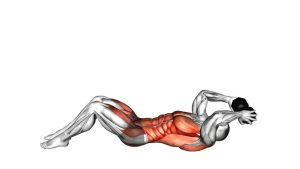
Crunch Legs on Stability Ball: Form, Benefits, Sets, Tips & FAQ
Learn how to do the Crunch with Legs on Stability Ball using proper form. Build stronger abs, improve core control, reduce hip flexor cheating, and avoid common mistakes.
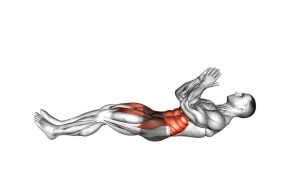
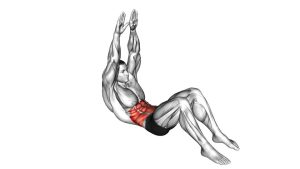
Crunch (Legs on Stability Ball)
This exercise is excellent for beginners, home workouts, warm-ups, and anyone who wants a simple but effective way to train the abs with better body positioning. Because the legs are elevated on the ball, the lower body stays relaxed while the core does the work. The stability ball also teaches control because any unnecessary movement from the hips or legs can make the ball shift.
The most important detail is keeping the movement small and precise. Think about curling your upper back off the floor rather than pulling your head forward. Your chin should stay slightly tucked, your neck should remain relaxed, and your hands should never yank the head. A good rep feels like a controlled abdominal squeeze, not a fast sit-up.
Quick Overview
| Body Part | Abs |
|---|---|
| Primary Muscle | Rectus abdominis |
| Secondary Muscle | Transverse abdominis, obliques, deep core stabilizers |
| Equipment | Stability ball / Swiss ball and exercise mat |
| Difficulty | Beginner |
Sets & Reps (By Goal)
- Beginner core control: 2–3 sets × 8–12 reps with a slow, clean tempo.
- Ab muscle endurance: 3–4 sets × 12–20 reps, keeping every rep controlled.
- Warm-up activation: 1–2 sets × 10–15 reps before a core or full-body workout.
- Slow strength focus: 3 sets × 8–10 reps with a 2-second squeeze at the top.
- Home workout finisher: 2–3 rounds × 15–25 reps with short rest periods.
Progression rule: First improve control, then increase reps. Do not add speed or extra range if the movement turns into a sit-up, the ball rolls, or your neck starts doing the work.
Setup / Starting Position
- Place the stability ball in front of you: Sit on the floor or lie down carefully, then position your lower legs on top of the ball.
- Lie flat on your back: Keep your spine comfortable, your head resting on the floor, and your lower back lightly connected to the mat.
- Set your legs: Bend your knees around 90 degrees and rest your calves or heels on the ball. The ball should feel stable before you begin.
- Relax your upper body: Keep the shoulders away from the ears and avoid shrugging.
- Choose your arm position: Cross your arms over your chest, place fingertips lightly near the sides of your head, or reach your hands forward toward your thighs.
- Brace gently: Draw the ribs down slightly and prepare your abs before lifting.
Setup tip: If the stability ball keeps moving, bring it closer to your body and slow down. The ball should support your legs, not become a distraction.
Execution (Step-by-Step)
- Start from a still position: Let your legs rest on the ball and keep your torso relaxed but lightly braced.
- Tuck the chin slightly: Create a small space between the chin and chest. Do not jam the chin down or pull the head forward.
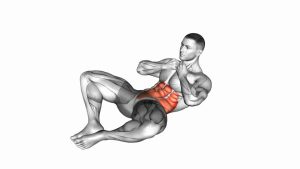
- Curl the upper back: Lift your head, neck, and shoulder blades slightly off the floor by contracting your abs.
- Bring ribs toward pelvis: Think about shortening the front of your torso instead of trying to sit upright.
- Pause at the top: Hold briefly when your abs are fully contracted. Your lower back should remain stable.
- Keep the ball still: Avoid kicking, pressing hard into the ball, or letting the knees move side to side.
- Lower slowly: Return your shoulders and upper back to the floor with control.
- Reset before the next rep: Do not bounce. Start each repetition from a stable position.
Pro Tips & Common Mistakes
Pro Tips
- Exhale as you crunch: Breathing out helps the ribs move down and improves abdominal contraction.
- Use a small range of motion: You only need to lift the shoulder blades. More height does not always mean better ab training.
- Keep the ball quiet: A stable ball shows that your hips and legs are not taking over.
- Lead with the ribs: Imagine your ribs curling toward your pelvis instead of your head reaching toward your knees.
- Slow down the lowering phase: The descent is where many people lose tension. Control it to increase time under tension.
- Keep your neck neutral: Your hands can support the head lightly, but they should never pull.
Common Mistakes
- Pulling on the head: This shifts stress to the neck and reduces abdominal focus.
- Doing a full sit-up: Sitting too high brings in more hip flexor action and changes the purpose of the exercise.
- Letting the ball roll: Excessive ball movement usually means the legs are pushing instead of the abs controlling the rep.
- Using momentum: Fast reps reduce tension and make the exercise less effective.
- Arching the lower back: Keep the ribcage controlled and avoid flaring the ribs upward.
- Holding the breath: Breathe smoothly so your core stays active without creating unnecessary pressure.
FAQ
What muscles does the Crunch with Legs on Stability Ball work?
The main muscle worked is the rectus abdominis, which is responsible for flexing the spine during the crunch. The transverse abdominis and obliques also assist by stabilizing the trunk and keeping the torso controlled while the legs rest on the ball.
Is this exercise good for beginners?
Yes. It is beginner-friendly because the legs are supported and the movement range is short. However, beginners should focus on slow reps, controlled breathing, and avoiding neck pulling. Quality is more important than doing many repetitions.
Should the stability ball move during the exercise?
Ideally, the ball should stay mostly still. A little natural movement is normal, but excessive rolling means you may be pushing with your legs or losing control through the hips. Bring the ball closer, reduce speed, and focus on lifting from the abs.
Is this better than a regular floor crunch?
It depends on your goal. This variation can make the crunch feel cleaner because the legs are elevated and supported, which may reduce hip flexor involvement. It also adds a small stability challenge because the ball must stay controlled.
Why do I feel this in my neck?
Neck tension usually happens when you pull on the head, push the chin too far down, or try to lift too high. Keep the chin gently tucked, support the head lightly if needed, and think about curling the ribs instead of lifting the head.
How high should I lift during the crunch?
Lift only until your shoulder blades come slightly off the floor and your abs fully contract. You do not need to sit upright. The best range is the one that keeps tension in the abs without straining the neck or lower back.
Recommended Equipment
- Anti-Burst Stability Ball — the main tool for supporting the legs and adding core stability demand.
- Thick Exercise Mat — protects the spine, head, and hips during floor-based ab training.
- Stability Ball Pump — keeps the ball properly inflated for safer and more stable training.
- Non-Slip Exercise Mat — helps prevent sliding when performing controlled crunch variations.
- Core Sliders — useful for progressing into more advanced core stability and ab exercises.
Equipment tip: Choose a stability ball size that allows your knees to stay comfortably bent while your lower legs rest on top. If the ball is too large or too small, your setup may feel unstable or awkward.