Crunch on Stability Ball: Proper Form, Benefits, Sets, Tips & FAQ
Learn how to do the Crunch on Stability Ball with proper form, controlled breathing, ab activation tips, common mistakes, sets and reps, FAQs, and recommended equipment for stronger core training.
Crunch on Stability Ball
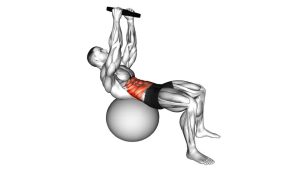
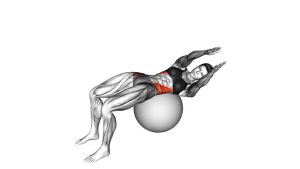
This variation is useful for building abdominal strength, trunk control, and better awareness of spinal flexion. During each rep, the ball supports the lower back while the upper torso curls forward against gravity. As a result, the abs work through both a stretched bottom position and a strong contracted top position.
Proper form should feel smooth, controlled, and focused on the front of the core. For best results, avoid bouncing, neck pulling, or pushing the hips upward to create momentum. A clean repetition uses the abs to move the ribs, while the feet, hips, and ball remain stable.
Quick Overview
| Body Part | Abs |
|---|---|
| Primary Muscle | Rectus abdominis |
| Secondary Muscle | Obliques, transverse abdominis, deep core stabilizers, hip flexors, glutes |
| Equipment | Stability ball / Swiss ball / exercise ball |
| Difficulty | Beginner to Intermediate |
Sets & Reps (By Goal)
- Beginner technique: 2–3 sets × 8–12 reps with slow control and a comfortable range of motion.
- Core endurance: 3–4 sets × 12–20 reps using steady breathing and no bouncing.
- Ab hypertrophy: 3–4 sets × 10–15 reps with a 1–2 second squeeze at the top.
- Warm-up activation: 1–2 sets × 10–15 reps before a core, lower-body, or full-body workout.
- Advanced control: 3 sets × 8–12 reps with a slow 3-second lowering phase.
Progression rule: Improve control first. After your reps feel smooth, increase difficulty by slowing the tempo, pausing longer at the top, narrowing your foot stance, or holding light resistance.
Setup / Starting Position
- Sit on the ball: Place your hips on the center of the stability ball with both feet flat on the floor.
- Walk forward carefully: Step your feet out until the ball rolls under your lower and mid-back.
- Set your base: Keep your feet about hip-width to shoulder-width apart so you can balance without wobbling.
- Position your hips: Hold the hips slightly lifted instead of letting them sag toward the floor.
- Support your head lightly: Place your fingertips behind your head or near your temples without pulling.
- Open the torso: Allow the upper back to extend gently over the ball so the abs feel lightly stretched.
- Prepare your brace: Keep the ribs controlled, neck neutral, and eyes looking slightly upward or forward.
The ball should feel secure under the lower back. If it slides too far under the shoulders, the crunch becomes too short. When it rolls too close to the hips, the lower back may overextend and the movement can feel unstable.
Execution (Step-by-Step)
- Begin in the stretched position: Let your upper torso rest back over the ball while keeping your hips stable and your feet planted.
- Exhale and curl upward: Pull your ribcage toward your pelvis instead of yanking your head or sitting fully upright.
- Keep the motion compact: Lift the shoulders and upper back just enough to create a strong abdominal contraction.
- Pause at the top: Squeeze the abs briefly while keeping the elbows open, neck relaxed, and lower body still.
- Lower with control: Inhale as you slowly return over the ball and allow the abs to lengthen again.
- Reset before repeating: Check your feet, hips, and ball position before starting the next rep.
Pro Tips & Common Mistakes
Pro Tips
- Lead with the ribs: Think about bringing the ribcage closer to the pelvis instead of lifting the head forward.
- Use a full but safe range: Let the ball create a gentle stretch at the bottom without forcing your lower back.
- Control your breathing: Exhale during the crunch and inhale as you return to the stretched position.
- Keep your hips quiet: Stable hips help the rectus abdominis do the work instead of the hip flexors.
- Pause briefly: A short top hold increases ab tension and reduces the temptation to bounce.
- Choose the correct ball size: Your knees should stay comfortably bent with your feet flat and your back supported.
Common Mistakes
- Pulling the neck: Use the hands only for light support and avoid dragging the chin toward the chest.
- Sitting too high: Turning the movement into a sit-up can shift tension away from the abs.
- Bouncing on the ball: Momentum reduces core activation and makes the exercise less controlled.
- Dropping the hips: Sagging hips may increase lower-back stress and reduce abdominal tension.
- Overextending the spine: A mild stretch is helpful, but a deep backbend is unnecessary.
- Holding your breath: Poor breathing can create excess pressure and make the movement feel tense.
FAQ
Is the Crunch on Stability Ball better than a regular crunch?
A stability ball crunch can offer more range of motion because the torso extends over the ball at the bottom. Compared with a floor crunch, it also demands more balance and trunk control. Both exercises work well, but the ball version adds a stronger stability challenge.
Where should I feel this exercise?
Most of the work should be felt in the front of the abs, especially the rectus abdominis. Some light tension through the obliques and deep core is normal because they help stabilize the body. Neck pain, sharp lower-back pressure, or hip-dominant pulling usually means the form needs adjustment.
Should I perform a full sit-up on the ball?
No. The goal is to curl the upper spine and bring the ribs closer to the pelvis. Going too high can reduce abdominal tension and bring the hip flexors into the movement more than needed. A smaller, controlled crunch is usually more effective.
Can beginners do this exercise?
Yes, beginners can perform this exercise when the movement is slow and the foot position is stable. Starting with a wider stance makes balance easier. If the ball feels too unstable, practice basic floor crunches first before returning to this variation.
How can I make the Crunch on Stability Ball harder?
Increase difficulty by slowing the lowering phase, adding a longer top pause, or moving the feet slightly closer together. Advanced users can also hold a light plate or medicine ball across the chest. Resistance should only be added after the basic version feels stable and controlled.
Why does my neck hurt during stability ball crunches?
Neck discomfort often happens when the hands pull the head forward or the chin leads the movement. Keep your fingertips light, relax the jaw, and focus on curling from the ribs. Better abdominal control usually reduces unwanted neck tension.
Recommended Equipment
- Anti-Burst Stability Ball — the main tool for performing stability ball crunches with better support and safety.
- Exercise Ball Pump — helps keep the ball properly inflated for consistent balance and comfort.
- Non-Slip Exercise Mat — improves foot grip and gives you a more secure training surface.
- Medicine Ball — useful for advanced loaded crunch variations once bodyweight form is mastered.
- Workout Timer — helpful for tracking tempo, rest periods, and timed core circuits.
Select a stability ball that matches your height and supports your body weight safely. A properly inflated ball should feel firm, stable, and comfortable under the lower back.