Weighted Russian Twist Legs Up: Core Form, Sets, Tips & FAQ
Learn the Weighted Russian Twist Legs Up for stronger obliques, core control, and rotational stability with proper form, sets, tips, FAQs, and gear.
Weighted Russian Twist (Legs Up)
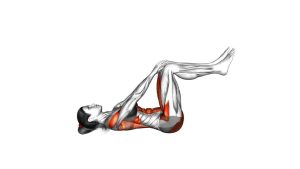
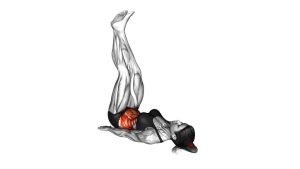
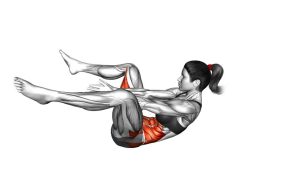
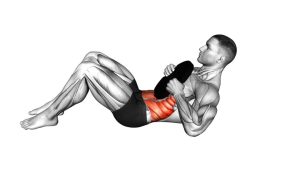
This variation is more advanced than the basic Russian twist because the legs stay lifted throughout the set. That small change makes the body work harder to resist falling backward, dropping the feet, or twisting with momentum. When performed correctly, the exercise builds rotational strength, improves trunk control, and helps develop a stronger midsection for sports, lifting, and athletic movement.
For best results, keep the weight close to your body, rotate from the torso, and control every rep. Your arms should guide the weight, but your abs and obliques should create the movement. If your lower back feels strained, reduce the load, lower your feet lightly to the floor, or perform the bodyweight version first.
Quick Overview
| Body Part | Core |
|---|---|
| Primary Muscle | Obliques |
| Secondary Muscle | Rectus abdominis, transverse abdominis, hip flexors, spinal stabilizers |
| Equipment | Weight plate, dumbbell, kettlebell, or medicine ball |
| Difficulty | Intermediate to advanced |
Sets & Reps (By Goal)
- Core endurance: 2–3 sets × 16–24 total twists using a light weight and steady tempo.
- Strength control: 3–4 sets × 10–16 total twists with a moderate load and full control.
- Hypertrophy focus: 3–4 sets × 12–20 total twists with a slow eccentric return.
- Athletic rotation: 3 sets × 8–12 twists per side with crisp but controlled rotation.
- Beginner progression: 2 sets × 8–12 total twists with feet down before lifting the legs.
Progression rule: Increase control before increasing load. Add weight only when you can keep your legs lifted, spine stable, and rotation smooth for the full set.
Setup / Starting Position
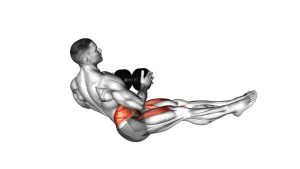
- Sit on the floor: Bend your knees and place your feet in front of you.
- Hold the weight: Grip a plate, dumbbell, kettlebell, or medicine ball with both hands.
- Lean back slightly: Recline your torso until your abs engage, but avoid rounding your lower back.
- Lift the legs: Raise both feet off the floor with knees bent, keeping your shins controlled.
- Brace the core: Keep your ribs down, chest open, and spine long.
- Start at center: Hold the weight close to your torso before beginning the twist.
Tip: If balance is difficult, cross your ankles lightly or lower the feet closer to the floor while maintaining control.
Execution (Step-by-Step)
- Brace before moving: Tighten your abs as if preparing for a small punch to the stomach.
- Rotate to one side: Turn your shoulders and ribcage while moving the weight toward the outside of one hip.
- Keep the legs steady: Do not let the knees swing wildly or the feet drop to the floor.
- Pause briefly: Stop the twist with control instead of bouncing into the end range.
- Return through center: Bring the weight back to the midline while keeping your torso balanced.
- Rotate to the other side: Repeat the same controlled motion toward the opposite hip.
- Continue alternating: Move side to side with a steady rhythm until the set is complete.
Pro Tips & Common Mistakes
Pro Tips
- Rotate from the ribs: Think about turning your chest, not just moving your hands.
- Keep the weight close: A closer load is easier to control and safer for the lower back.
- Use a smooth tempo: Move with control instead of rushing from side to side.
- Stay tall through the spine: Keep your chest lifted and avoid collapsing into a rounded position.
- Breathe steadily: Exhale slightly as you rotate and inhale as you return through center.
- Control the legs: Keep your knees stable so the core does the work instead of momentum.
Common Mistakes
- Swinging the weight: Fast, uncontrolled reps reduce core tension and increase back stress.
- Rounding the lower back: Excessive spinal flexion can make the movement uncomfortable and less effective.
- Only moving the arms: The torso should rotate with the weight for proper oblique engagement.
- Using too much weight: Heavy loading often causes sloppy reps, dropped legs, and twisting from momentum.
- Holding the breath: Breath-holding can create unnecessary tension and reduce control.
- Twisting too far: A moderate, controlled range is better than forcing the spine into excessive rotation.
FAQ
What muscles does the Weighted Russian Twist Legs Up work?
It primarily targets the obliques. It also works the rectus abdominis, transverse abdominis, hip flexors, and spinal stabilizers because the body must rotate and balance at the same time.
Is the legs-up version harder than the regular Russian twist?
Yes. Lifting the legs increases the balance demand and makes the core work harder to stabilize the pelvis. Beginners should master the feet-down version before progressing to this variation.
Should the weight touch the floor on each side?
It does not have to touch the floor. Touching the floor can be useful for range consistency, but control is more important. If touching down makes you round your back or swing the weight, keep the weight slightly above the floor.
Can Weighted Russian Twists help build visible abs?
They can strengthen and develop the core muscles, especially the obliques. However, visible abs also depend on overall body fat, nutrition, total training volume, and consistency.
Why do I feel this exercise in my hip flexors?
The hip flexors help hold the legs up during the movement. Some hip-flexor activation is normal. If they dominate, lower the feet, reduce the set length, or use the feet-down version until your core strength improves.
Is this exercise safe for the lower back?
It can be safe when performed with a neutral spine, controlled rotation, and appropriate load. If you have lower-back pain or discomfort with twisting, choose a less rotational core exercise and avoid forcing the movement.
Recommended Equipment
- Weight Plate — a simple, stable option for loading Russian twists with both hands.
- Medicine Ball — comfortable to grip and useful for rotational core exercises.
- Rubber Hex Dumbbell — a versatile loading tool for core, strength, and home workouts.
- Thick Exercise Mat — adds comfort under the hips and lower back during seated core work.
- Adjustable Kettlebell — useful for progressive loading and many other core-strength exercises.
Tip: Choose a weight that allows clean rotation. If your legs drop or your back rounds, the load is too heavy.