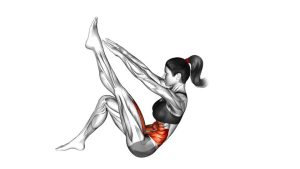
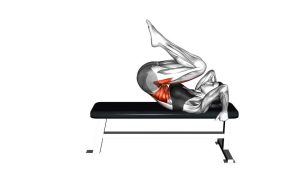
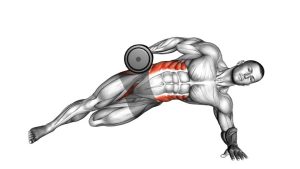
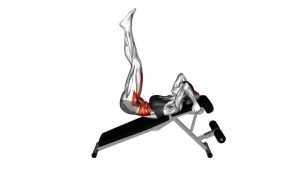
Side Hip on Parallel Bars: Form, Benefits, Sets, Tips & FAQ
Learn Side Hip on Parallel Bars with safe form, core control, sets, reps, mistakes, FAQs, and equipment tips for stronger abs and obliques.
Side Hip on Parallel Bars
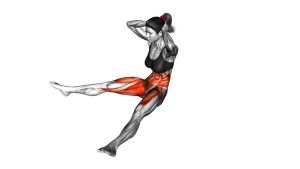
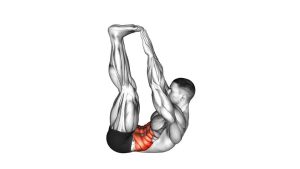
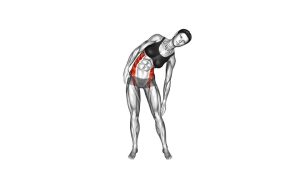
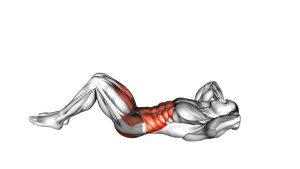
This exercise is useful for building a stronger midsection because it combines hip flexion with trunk stabilization. The parallel bars give your upper body a stable base, while your lower body moves through a controlled raising pattern. When performed correctly, the movement trains the lower abs and obliques without relying on momentum. Keep each repetition smooth, keep your shoulders relaxed, and avoid swinging your legs between reps.
Quick Overview
| Body Part | Obliques |
|---|---|
| Primary Muscle | Rectus abdominis and obliques |
| Secondary Muscle | Hip flexors, transverse abdominis, shoulders, forearms, and spinal stabilizers |
| Equipment | Parallel bars, dip station, or captain’s chair station |
| Difficulty | Beginner to intermediate, depending on control and range of motion |
Sets & Reps (By Goal)
- Core control: 2–3 sets × 8–12 reps with slow, clean movement.
- Muscle endurance: 3–4 sets × 12–15 reps with steady breathing and minimal rest.
- Strength focus: 3–5 sets × 6–10 reps with a 1–2 second pause at the top.
- Beginner practice: 2 sets × 6–8 reps using a smaller range of motion.
- Workout finisher: 2–3 rounds × 10–15 controlled reps after your main training.
Progression rule: Add reps first. Then add a longer top pause. Only increase range when you can lift and lower without swinging, arching, or losing back contact with the pad.
Setup / Starting Position
- Step into the station: Position yourself between the parallel bars or inside the captain’s chair frame.
- Place your forearms securely: Rest both forearms on the pads and grip the handles firmly.
- Set your back: Keep your upper back and lower back supported against the back pad if the station has one.
- Relax your shoulders: Press lightly through the forearms without shrugging toward your ears.
- Start with legs hanging: Let your legs extend downward together, with your core lightly braced.
- Prepare your breathing: Inhale before the lift, then exhale as the knees rise.
Before the first rep, make sure your body is still. A quiet starting position makes the entire set cleaner and prevents momentum from taking over.
Execution (Step-by-Step)
- Brace your core: Tighten the midsection gently before moving the legs.
- Begin the lift: Raise your knees upward by flexing the hips and drawing the thighs forward.
- Add the side emphasis: Slightly guide the hips or knees toward one side to increase oblique involvement.
- Control the top position: Pause briefly when the knees reach about hip height or higher.
- Keep the torso stable: Do not lean back, twist aggressively, or push the shoulders upward.
- Lower slowly: Return the legs to the starting position under control.
- Reset before the next rep: Let the legs settle without swinging, then repeat.
Pro Tips & Common Mistakes
- Move from the core, not momentum: Avoid kicking the legs upward or bouncing from the bottom.
- Keep your back supported: Do not allow the lower back to arch away from the pad.
- Use a controlled knee bend: Bent knees make the exercise easier and help beginners stay stable.
- Pause at the top: A short hold improves abdominal tension and reduces swinging.
- Lower with purpose: The descent is just as important as the lift for core development.
- Do not shrug: Keep shoulders down and use the handles for balance, not excessive pulling.
- Avoid rushing reps: Fast reps often shift the work away from the abs and into momentum.
- Control your breathing: Exhale during the lift and inhale during the lowering phase.
FAQ
What muscles does the Side Hip on Parallel Bars work?
It mainly works the rectus abdominis and obliques. The hip flexors also help lift the legs, while the shoulders, forearms, and spinal stabilizers support your body position.
Is this exercise good for beginners?
Yes, it can be beginner-friendly because the parallel bars support the upper body. However, beginners should use a smaller range of motion, bend the knees, and focus on slow reps before trying higher lifts.
Should I keep my legs straight or bent?
Bent knees are easier and usually better for learning control. Straight legs increase leverage and make the exercise harder. Start bent, then progress only when your reps stay smooth.
Why do I feel this more in my hip flexors than my abs?
The hip flexors naturally assist the movement. To increase abdominal involvement, brace before lifting, slightly curl the pelvis upward at the top, pause briefly, and avoid swinging the legs.
How can I make the Side Hip on Parallel Bars harder?
Add a longer pause at the top, slow the lowering phase, raise the knees higher, or progress toward straighter legs. Do not add difficulty if your lower back arches or your legs swing.
Can I do this exercise every day?
Light practice can be done often, but hard sets should usually be treated like regular core training. Most people do well with 2–4 sessions per week, depending on recovery and total workout volume.
Recommended Equipment
- Captain’s Chair Dip Station — ideal for supported knee raises, side hip raises, and vertical core training.
- Parallel Bars for Home Gym — useful for bodyweight core work, dips, support holds, and stability drills.
- Power Tower with Dip Handles — a versatile option for knee raises, pull-ups, dips, and full-body calisthenics.
- Hanging Ab Straps — helpful for supported hanging knee raise variations if no captain’s chair is available.
- Gym Grip Gloves — improve handle comfort and grip support during longer core sessions.
Choose equipment that feels stable, supports your body weight safely, and allows your legs to move freely without hitting the frame.