Kettlebell Bent Press: Form, Benefits, Sets, Tips & FAQ
Learn the kettlebell bent press with safe form, setup cues, step-by-step execution, common mistakes, sets by goal, FAQs, and equipment tips.
Kettlebell Bent Press
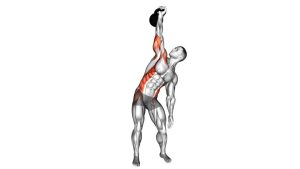
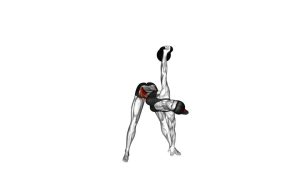
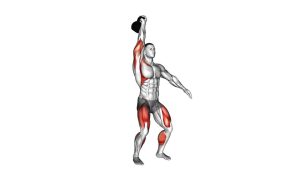
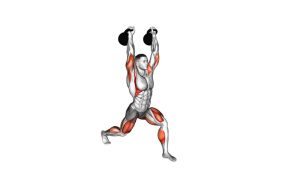
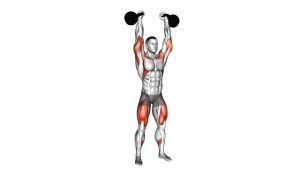
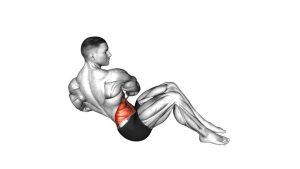
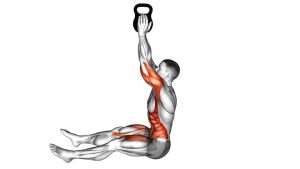
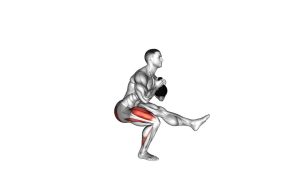
The kettlebell bent press is best performed with a slow and technical rhythm. First, the kettlebell starts in the rack position. Then, the hips shift away from the loaded side while the torso bends and rotates slightly under the bell. As a result, the working arm reaches a strong overhead lockout while the trunk, obliques, lats, and shoulder stabilizers work together to control the load. Because this exercise combines strength and mobility, it should be learned with a light kettlebell before heavier loading is attempted.
Quick Overview
| Body Part | Shoulders |
|---|---|
| Primary Muscle | Deltoids, rotator cuff, obliques, and latissimus dorsi |
| Secondary Muscle | Triceps, glutes, spinal erectors, deep core stabilizers, and upper back |
| Equipment | Kettlebell |
| Difficulty | Advanced because it requires overhead stability, thoracic mobility, hip control, and precise technique |
Sets & Reps (By Goal)
- Technique practice: 3–5 sets × 1–3 reps per side using a light kettlebell and slow tempo.
- Strength development: 3–4 sets × 2–5 reps per side with full control and long rest periods.
- Mobility and control: 2–4 sets × 2–4 reps per side while focusing on smooth body positioning.
- Overhead stability work: 3 sets × 3–5 controlled singles per side with a strong lockout pause.
Progression rule: Add reps, pause time, or cleaner range before adding weight. Since the bent press is highly technical, heavier loading should only happen when the kettlebell path stays stacked and the shoulder feels stable.
Setup / Starting Position
- Stand with a stable base: Place your feet around shoulder-width apart. Turn the toes slightly out if that helps your hips move smoothly.
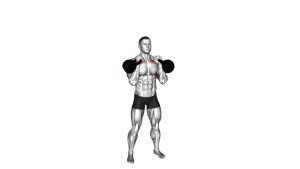
- Clean the kettlebell safely: Bring the kettlebell into the rack position on one side. Keep the wrist straight and the elbow close to the torso.
- Brace your core: Before moving, inhale gently and create tension around the ribs, waist, and hips.
- Pack the shoulder: Keep the loaded shoulder pulled down and stable. Do not let the shoulder shrug toward the ear.
- Set your gaze: Look forward at first. Then, as the kettlebell rises, gradually track the bell with your eyes.
The setup should feel controlled before the first rep begins. If the rack position already feels unstable, reduce the kettlebell weight and practice the clean, rack hold, and overhead hold separately.
Execution (Step-by-Step)
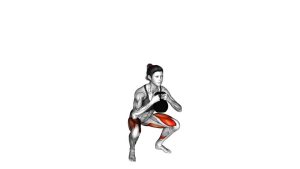
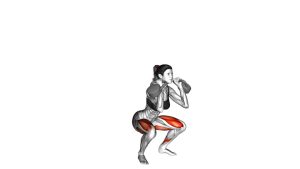
- Start from the rack: Hold the kettlebell close to your body with the elbow bent. Keep your wrist neutral and your forearm strong.
- Shift the hips away: Begin by moving your hips slightly away from the kettlebell side. This creates space for the torso to move under the weight.
- Bend and rotate under control: Lean the torso away from the kettlebell while keeping the bell close and stacked. The free arm can lower toward the floor to help balance.
- Let the body move under the bell: As your torso drops, the loaded arm gradually straightens. Do not rush or turn it into a fast overhead press.
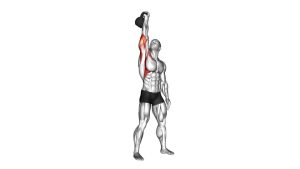
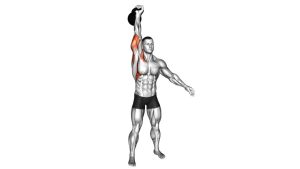
- Reach overhead lockout: Finish with the arm straight, shoulder packed, elbow locked, and kettlebell stacked over the shoulder line.
- Stabilize briefly: Pause at the top. Breathe calmly while keeping the ribs controlled and the wrist straight.
- Return with control: Reverse the movement slowly. Bring the torso upright first, then guide the kettlebell back into the rack position.
Pro Tips & Common Mistakes
- Move your body, not just the bell: The bent press works because your torso moves under the kettlebell while the arm stabilizes.
- Keep the shoulder packed: Avoid shrugging at the top. Instead, keep the shoulder blade controlled and the arm stacked.
- Do not rush the descent: A fast drop usually causes poor balance, poor shoulder control, and a messy kettlebell path.
- Avoid over-arching the lower back: Brace the ribs and move through the hips and upper back instead of dumping pressure into the lumbar spine.
- Use the free arm for balance: Let the non-working arm reach downward naturally. This helps you control the side bend and counterbalance the load.
- Start lighter than expected: Because the exercise is skill-heavy, a lighter kettlebell often builds better strength than a heavy, unstable rep.
- Track the kettlebell with your eyes: Looking at the bell can improve awareness and help you maintain a safer overhead position.
FAQ
Is the kettlebell bent press a shoulder exercise or a core exercise?
It is both. The shoulder stabilizes the kettlebell overhead, while the core, obliques, lats, hips, and upper back help move the body under the load. Therefore, it is best classified as a full-body strength and stability exercise.
Is the kettlebell bent press beginner-friendly?
No. The movement is usually better for intermediate to advanced lifters because it requires overhead mobility, shoulder control, hip movement, and core coordination. Beginners should first practice kettlebell rack holds, windmills, overhead holds, and light presses.
What weight should I use for the kettlebell bent press?
Start lighter than your normal overhead press weight. A light kettlebell lets you learn the body path, shoulder position, and lockout without forcing the movement. Once your technique is consistent, increase weight gradually.
Should I press the kettlebell up with my arm?
Not completely. The arm does extend, but the main idea is to move your torso under the kettlebell. If you try to muscle the bell straight up like a strict press, you lose the unique advantage of the bent press.
Why does my lower back feel strained during the bent press?
Lower-back strain often happens when the ribs flare, the hips fail to shift, or the torso twists too aggressively. Reduce the load, shorten the range, brace harder, and focus on moving through the hips and upper back.
Can I use the kettlebell bent press for muscle building?
Yes, but it is mainly a strength-skill and stability movement. For hypertrophy, pair it with more direct exercises such as overhead presses, lateral raises, rows, triceps work, and loaded carries.
Recommended Equipment
- Cast Iron Kettlebell — ideal for practicing traditional kettlebell bent press technique and overhead stability.
- Competition Kettlebell — offers a consistent size across weights, which can help with rack position and technique practice.
- Kettlebell Wrist Guards — useful for reducing wrist discomfort during cleans, rack holds, and overhead work.
- Non-Slip Exercise Mat — provides better foot grip and floor comfort during technique practice.
- Kettlebell Training Book — helpful for learning old-school kettlebell lifts, progressions, and safe programming.
Tip: For this exercise, equipment quality matters less than control. Choose a kettlebell that allows smooth rack positioning, a secure grip, and a stable overhead lockout.