Rolling Back Pilates: Form, Core Benefits, Sets, Tips & FAQ
Learn Rolling Back Pilates with safe form, core control cues, sets by goal, common mistakes, FAQs, and equipment for better balance.
Rolling Back (Pilates)
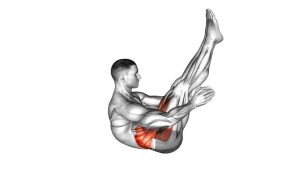
Rolling Back is often used in Pilates to build coordination between the breath, core, hips, and spine. The movement starts in a tucked seated position with the feet lifted and the hands holding the shins or behind the thighs. From there, the body rolls backward onto the upper back, then returns to the starting balance position without letting the feet slam down.
This exercise rewards precision. A clean repetition should feel smooth, rounded, and controlled from start to finish. Your abs should guide the movement, while your neck, shoulders, and jaw stay relaxed. When performed correctly, Rolling Back strengthens the core while also improving body awareness and spinal mobility.
Quick Overview
| Body Part | Core |
|---|---|
| Primary Muscle | Rectus abdominis, transverse abdominis |
| Secondary Muscle | Hip flexors, deep spinal stabilizers, obliques |
| Equipment | Pilates mat or exercise mat |
| Difficulty | Beginner to Intermediate |
Sets & Reps (By Goal)
- Beginner control: 2–3 sets × 5–8 slow reps, resting 45–60 seconds between sets.
- Core endurance: 3 sets × 8–12 reps with a smooth rhythm and no foot drop.
- Pilates flow practice: 1–2 rounds × 6–10 reps as part of a mat sequence.
- Balance improvement: 2–4 sets × 4–6 reps with a 2-second pause at the top position.
Progression rule: First improve control and balance. Then increase reps. Do not progress by rolling faster or using more momentum.
Setup / Starting Position
- Sit on a mat: Start seated with your knees bent and your feet close to your body.
- Hold your legs: Place your hands on your shins, ankles, or behind your thighs depending on comfort and flexibility.
- Create a C-curve: Round your spine from the lower back to the upper back. Keep the chest soft and the ribs pulled inward.
- Lift the feet: Balance on your sit bones with both feet floating slightly off the mat.
- Relax the neck: Keep your chin gently tucked, but avoid forcing the head forward.
- Stay compact: Bring the knees toward the chest while keeping the shoulders down and away from the ears.
Tip: If balancing is difficult, hold behind the thighs instead of the shins. This gives more support and makes the exercise easier to control.
Execution (Step-by-Step)
- Inhale to prepare: Keep your spine rounded, feet lifted, and core engaged.
- Roll backward: Let your body rock back in one smooth motion while maintaining the same rounded shape.
- Stay off the neck: Roll only to the upper back or shoulder blade area. Do not place pressure on the cervical spine.
- Exhale forward: Use your abdominals to roll back up toward the seated balance position.
- Control the top: Pause briefly when you return. Keep the feet lifted and avoid dropping them to the floor.
- Repeat smoothly: Continue each rep with the same rounded shape, steady breath, and controlled tempo.
Pro Tips & Common Mistakes
- Keep the C-curve: The rounded spine is the foundation of the movement. Do not arch or flatten your back during the roll.
- Avoid neck pressure: Stop the backward roll on the upper back. Never roll onto the head or neck.
- Do not kick the legs: The legs should stay tucked. Let the core move the body, not leg momentum.
- Control the return: The hardest part is stopping at the top without dropping the feet. Pause and reset before the next rep.
- Keep shoulders relaxed: Avoid shrugging or pulling hard with the arms. The hands guide the shape, but the abs control the roll.
- Use a thicker mat if needed: A supportive Pilates mat can make the rolling motion more comfortable for the spine.
- Move with breath: Inhale as you roll back. Exhale as you roll forward and reconnect to the core.
FAQ
What muscles does Rolling Back Pilates work?
Rolling Back mainly works the abdominals, especially the rectus abdominis and transverse abdominis. It also uses the hip flexors, obliques, and deep spinal stabilizers to control balance and spinal movement.
Is Rolling Back the same as Rolling Like a Ball?
They are very similar. Rolling Back is often used as a descriptive name for the same Pilates-style rolling pattern. Rolling Like a Ball usually emphasizes the compact rounded shape and balanced return at the top.
Why do my feet drop when I roll forward?
Your feet usually drop because the return phase is too fast or the core loses tension near the top. Slow down, keep the knees close, and pause in the balanced position before starting the next rep.
Should I roll onto my neck?
No. You should roll only onto the upper back and shoulder blade area. Rolling onto the neck can create unsafe pressure. Keep the chin gently tucked and stop the backward motion before the neck contacts the mat.
Is Rolling Back good for beginners?
Yes, but beginners should use a small range of motion and focus on control. If the full roll feels difficult, practice seated balance holds, C-curve holds, or small rocking motions first.
Can I do Rolling Back if my lower back feels sensitive?
Be cautious. A thick mat and a smaller range may help, but sharp pain is not normal. If the exercise irritates your back, stop and choose gentler core drills until you can move comfortably.
Recommended Equipment
- Pilates Mat — provides cushioning for the spine during rolling movements.
- Thick Exercise Mat — useful if your back feels uncomfortable on a thin mat.
- Pilates Ring — helpful for adding light inner-thigh engagement in other Pilates core drills.
- Small Pilates Ball — useful for modified core work, balance practice, and beginner progressions.
- Pilates Grip Socks — help improve traction and comfort during mat-based Pilates sessions.
Tip: Choose a mat that gives enough support without being so soft that balance becomes unstable. Rolling Back needs comfort and control.