Frog Crunch Exercise: Proper Form, Benefits, Sets, Tips & FAQ
Learn the Frog Crunch exercise for stronger abs and better core control. Step-by-step form, sets, tips, mistakes, FAQs, and equipment.
Frog Crunch
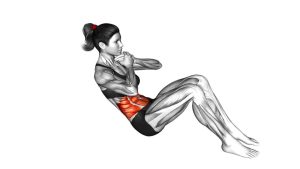
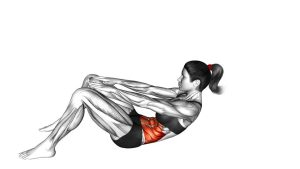
The Frog Crunch works best when the movement stays small, clean, and deliberate. Instead of throwing the shoulders forward or yanking the head upward, focus on shortening the distance between your ribcage and pelvis. Because the knees stay open and the feet stay together, the exercise also creates light inner-thigh involvement while the core performs the main work.
This exercise is useful for home ab workouts, beginner core training, warm-ups, and higher-rep abdominal finishers. It does not require any machine or external load, so it can be added easily to a bodyweight routine. For the best results, move slowly, breathe out during the crunch, and pause briefly at the top before lowering back down.
Quick Overview
| Body Part | Core |
|---|---|
| Primary Muscle | Rectus abdominis, with strong emphasis on abdominal flexion and lower-ab control |
| Secondary Muscle | Obliques, deep core stabilizers, hip flexors, and adductors |
| Equipment | No equipment required; optional exercise mat for comfort |
| Difficulty | Beginner to intermediate, depending on tempo, range of motion, and total reps |
Sets & Reps (By Goal)
- Beginner core control: 2–3 sets × 8–12 reps with a slow, smooth tempo.
- Ab muscle endurance: 3–4 sets × 15–25 reps with short 30–45 second rest periods.
- Lower-ab focus: 3 sets × 10–15 reps with a 1–2 second squeeze at the top.
- Core finisher: 2–3 rounds × 20–30 reps after your main workout.
- Tempo variation: 3 sets × 8–10 reps using a 2-second lift, 1-second hold, and 3-second lower.
Progression rule: Add control before adding volume. Once every rep feels smooth, increase the hold at the top, slow the lowering phase, or add more total reps.
Setup / Starting Position
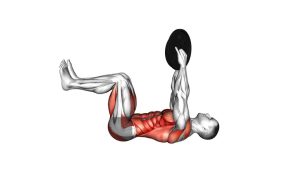
- Lie on your back: Start on a flat surface or exercise mat with your spine supported.
- Create the frog position: Bend your knees, open them outward, and bring the soles of your feet together.
- Place your hands lightly: Rest your fingertips behind your head or near your ears without pulling the neck.
- Keep your elbows open: Let the elbows point outward instead of collapsing them toward the face.
- Brace gently: Draw the ribs down slightly and prepare your abs before the first rep.
- Set your neck: Keep a small chin tuck so the neck stays long and relaxed.
Tip: Your legs should stay relaxed enough to avoid hip tension, but active enough to keep the frog shape stable throughout the set.
Execution (Step-by-Step)
- Begin from the floor: Keep your upper back, shoulders, and head close to the ground while your knees remain open.
- Exhale and curl upward: Lift your head, shoulders, and upper back by contracting your abs, not by pulling with your hands.
- Move the ribs toward the pelvis: Think about folding the torso rather than sitting all the way up.
- Keep the feet together: Maintain the frog-leg position as your knees stay opened outward.
- Squeeze at the top: Pause briefly when your abs feel fully shortened.
- Lower with control: Return your shoulders toward the floor slowly while keeping tension in the abs.
- Repeat smoothly: Continue for the target reps without bouncing or relaxing completely between repetitions.
Pro Tips & Common Mistakes
Pro Tips
- Exhale as you crunch: Breathing out helps the ribs move down and improves abdominal contraction.
- Keep the motion compact: The Frog Crunch is not a full sit-up. A smaller range often creates better ab tension.
- Pause at peak contraction: Hold the top for a moment to prevent rushed, momentum-based reps.
- Use the floor as feedback: Lower slowly until the shoulders lightly return, then begin the next rep.
- Keep the jaw relaxed: Neck and jaw tension often means you are pulling too hard with the upper body.
- Control the knees: Let the knees open naturally, but do not force them aggressively toward the floor.
Common Mistakes
- Pulling on the head: This shifts stress into the neck and reduces abdominal focus.
- Using momentum: Fast swinging reps make the exercise easier but less effective.
- Collapsing the elbows inward: This usually encourages neck pulling and rounded shoulder tension.
- Overusing the hip flexors: If the hips dominate, slow down and focus on rib-to-pelvis movement.
- Flattening the legs too hard: Forcing the knees outward can irritate the hips or groin.
- Relaxing fully at the bottom: Keep light core tension between reps for better control.
FAQ
What muscles does the Frog Crunch work?
The Frog Crunch mainly targets the rectus abdominis, which is the main front abdominal muscle. It also involves the obliques, deep core stabilizers, hip flexors, and adductors because the legs stay in a frog position.
Is the Frog Crunch good for lower abs?
Yes. Although the rectus abdominis works as one muscle, the frog-leg position and controlled pelvic action can help many people feel more lower-ab engagement compared with a basic crunch.
Should beginners do Frog Crunches?
Beginners can use the Frog Crunch if they can keep the neck relaxed and the lower back comfortable. Start with fewer reps, move slowly, and avoid forcing the knees outward.
How is a Frog Crunch different from a regular crunch?
A regular crunch is usually performed with the feet flat on the floor. The Frog Crunch uses bent knees opened outward with the soles of the feet together, which changes the hip position and often increases abdominal control demands.
Why do I feel Frog Crunches in my hips?
Some hip flexor involvement is normal. However, if the hips dominate the movement, you may be lifting too high, moving too fast, or pulling the knees too aggressively. Reduce the range and focus on curling the ribs toward the pelvis.
Can I do Frog Crunches every day?
You can perform low-volume Frog Crunches frequently if your body recovers well. For harder sets, allow recovery time between sessions, especially if your abs remain sore.
Recommended Equipment
- Exercise Mat — provides cushioning for the spine, hips, and shoulders during floor-based ab work.
- Ab Mat — supports the lower back and can improve comfort during controlled crunch variations.
- Ankle Weights — optional progression tool for advanced users who want more lower-body resistance.
- Mini Resistance Bands — useful for glute and hip activation drills that pair well with core workouts.
- Foam Roller — helpful for warming up the hips, lower back, and thoracic spine before core training.
Tip: Equipment is optional for the Frog Crunch. A comfortable mat is usually enough, especially when learning proper form.