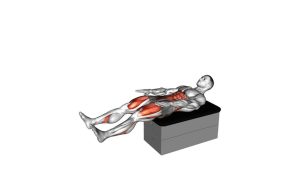
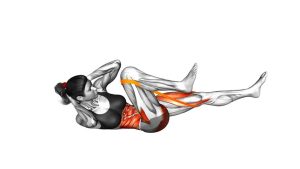
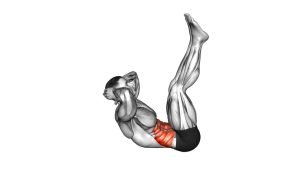
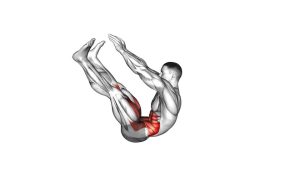
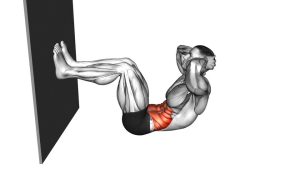
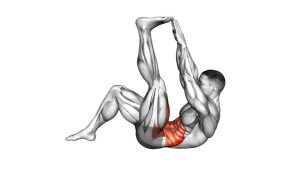
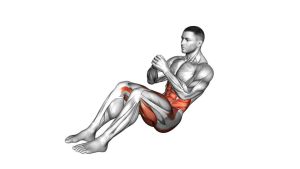
Janda Sit-up: Proper Form, Core Benefits, Sets, Tips & FAQ
Learn the Janda Sit-up for stronger abs, better core control, and reduced hip-flexor dominance with step-by-step form, sets, tips, FAQs, and gear.
Janda Sit-up
The Janda Sit-up is more demanding than a regular sit-up because it asks the body to limit hip-flexor dominance. When the heels press into the floor and the hamstrings stay active, the abs must produce more of the lifting effort. This makes the exercise useful for athletes, calisthenics training, advanced core workouts, and lifters who want cleaner trunk control.
Perform each rep slowly. Start from a bent-knee lying position, brace the core, lightly dig the heels into the floor, and curl up one section of the spine at a time. Avoid yanking the neck, swinging the arms, or launching the torso with momentum. A correct Janda Sit-up should feel harder than it looks.
Quick Overview
| Body Part | Abs |
|---|---|
| Primary Muscle | Rectus abdominis |
| Secondary Muscle | Transverse abdominis, obliques, deep core stabilizers, hamstrings, glutes |
| Equipment | Bodyweight only; optional mat, ab mat, resistance band, or partner assistance |
| Difficulty | Intermediate to advanced |
Sets & Reps (By Goal)
- Core strength: 3–4 sets × 5–8 slow reps with 60–90 seconds rest.
- Ab control and technique: 2–3 sets × 6–10 reps using a smooth 3-second lower.
- Advanced bodyweight training: 4 sets × 6–12 reps with strict form and no momentum.
- Core finisher: 2–3 sets × 8–12 reps near the end of a workout.
- Beginner progression: 2–3 sets × 4–6 partial reps or assisted reps.
Progression rule: Add reps only when every repetition stays slow, controlled, and free from hip-flexor pulling. If the feet lift, the torso jerks, or the neck strains, reduce the range or return to easier sit-up progressions.
Setup / Starting Position
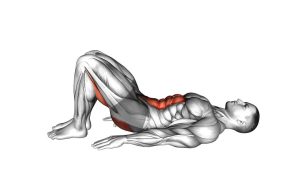
- Lie on your back: Place your body on a mat with your knees bent and feet flat on the floor.
- Set your foot position: Keep the heels close enough that you can lightly pull them into the floor without lifting the hips.
- Engage the posterior chain: Press the heels down and slightly drag them backward to activate the hamstrings.
- Brace the core: Draw the ribs down and create light tension around the abdomen before moving.
- Position the arms: Cross the arms over the chest or keep the hands lightly near the shoulders.
- Relax the neck: Keep the chin slightly tucked without pulling the head forward.
- Prepare to move slowly: The rep should begin with the abs, not with a swing from the shoulders or arms.
Tip: If you are learning the Janda Sit-up, ask a partner to gently hold the calves or use a light resistance band around the lower legs to create better hamstring feedback.
Execution (Step-by-Step)
- Create heel tension: Press the heels into the floor and gently pull them backward without moving the feet.
- Brace before lifting: Tighten the abs as if preparing for a controlled crunch.
- Curl the upper back: Lift the head, shoulders, and upper spine off the floor in a smooth sequence.
- Continue through the mid-range: Keep the ribs down while the torso rises. Avoid throwing the chest forward.
- Reach the top with control: Sit up as far as your strength allows without using momentum.
- Pause briefly: Hold the top for a short moment while maintaining abdominal tension.
- Lower slowly: Roll the spine back down one section at a time until the shoulders return to the floor.
- Reset tension: Rebuild heel pressure and core bracing before the next rep.
Pro Tips & Common Mistakes
Pro Tips
- Use the heels correctly: Pull lightly into the floor to wake up the hamstrings without sliding the feet.
- Think “curl,” not “launch”: Rise by flexing the spine under control instead of throwing the torso upward.
- Keep the ribs down: This helps the abs stay loaded through the full rep.
- Lower with control: The eccentric phase builds strength and prevents sloppy repetitions.
- Use partial reps if needed: A short clean rep is better than a full rep done with momentum.
- Pair it with anti-extension work: Planks, dead bugs, and rollouts balance the training effect.
Common Mistakes
- Using hip flexors too much: If the thighs dominate, increase heel tension and slow the movement.
- Jerking the neck: Keep the head aligned and avoid pulling forward with the chin.
- Swinging the arms: Cross the arms or keep them still so the abs must do the work.
- Letting the feet lift: Keep the feet grounded and reduce the range if needed.
- Dropping on the way down: Control the descent to protect the back and increase core demand.
- Doing too many reps too soon: This exercise becomes sloppy quickly when fatigue builds.
FAQ
What is the Janda Sit-up?
The Janda Sit-up is a strict sit-up variation that uses hamstring and glute tension to reduce hip-flexor assistance. This makes the abdominal muscles work harder during the lifting phase.
Is the Janda Sit-up better than a regular sit-up?
It can be better for advanced core control because it limits momentum and hip-flexor dominance. However, it is also harder. Beginners may need crunches, partial sit-ups, or assisted versions first.
Where should I feel the Janda Sit-up?
You should feel the main effort in the abs, especially the front of the core. You may also feel light tension in the hamstrings and glutes because they help create the correct setup.
Why do my hip flexors work during this exercise?
Your hip flexors may take over if you move too fast, lose heel tension, or try to sit up beyond your current strength. Slow down, shorten the range, and focus on curling the spine.
Can beginners do the Janda Sit-up?
Beginners can practice assisted or partial versions, but the full Janda Sit-up is usually intermediate to advanced. Start with controlled crunches and progress gradually.
How many Janda Sit-ups should I do?
Most people should start with 2–3 sets of 4–8 quality reps. Since this exercise is demanding, perfect technique matters more than high repetition volume.
Should I anchor my feet?
Heavy foot anchoring can make the hip flexors dominate. If you need assistance, use light partner feedback or gentle band resistance rather than forcing the feet down hard.
Recommended Equipment
- Exercise Mat — provides floor comfort and support during repeated sit-up practice.
- Ab Mat — helps support spinal extension before the curl and improves ab-focused range.
- Resistance Bands Set — useful for light hamstring activation feedback and core accessory work.
- Ankle Straps for Resistance Bands — can help create controlled lower-leg feedback during assisted variations.
- Core Sliders — useful for complementary core exercises such as body saws, mountain climbers, and knee tucks.
Tip: Equipment is optional. The most important tools for the Janda Sit-up are controlled tempo, hamstring tension, and clean abdominal bracing.