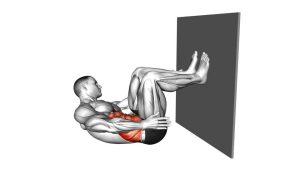
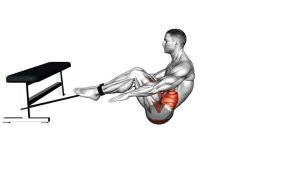
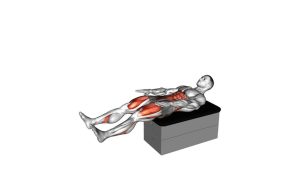
Frog Crunch: Proper Form, Benefits, Sets, Tips & FAQ
Learn the Frog Crunch to target your abs with controlled spinal flexion, frog-leg positioning, proper setup, sets, tips, mistakes, and FAQs.
Frog Crunch
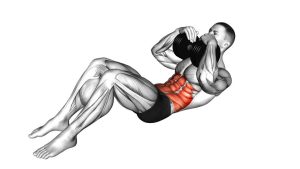
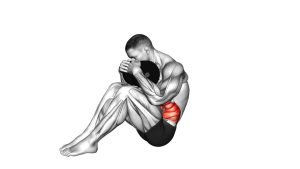
This exercise is useful for building stronger abs because it combines upper-body crunching with a stable lower-body position. The frog stance changes the feel of the movement by opening the hips and reducing the chance of using a standard sit-up pattern. As a result, the abs must work harder to create a clean curl instead of relying on momentum.
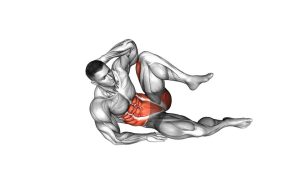
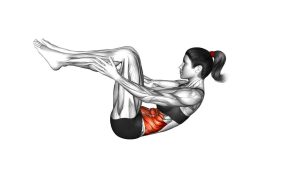
A good Frog Crunch should feel short, controlled, and intense. Your shoulder blades lift, your ribs move toward your pelvis, and your knees stay open without swinging. Keep the hands light behind the head, breathe out during the crunch, and return slowly to maintain abdominal tension.
Quick Overview
| Body Part | Abs |
|---|---|
| Primary Muscle | Rectus abdominis |
| Secondary Muscle | Obliques, deep core stabilizers, hip flexors, adductors |
| Equipment | None; optional exercise mat |
| Difficulty | Beginner to Intermediate |
Sets & Reps (By Goal)
- Core activation: 2–3 sets of 10–15 controlled reps with a short pause at the top.
- Muscle endurance: 3–4 sets of 15–25 reps using a smooth tempo and steady breathing.
- Ab hypertrophy: 3–5 sets of 10–20 reps with slow lowering and strong peak contraction.
- Beginner practice: 2 sets of 8–12 reps, keeping the movement small and clean.
- Finisher option: 1–2 rounds of 30–45 seconds after your main core workout.
Progression rule: Add reps first, then increase time under tension. Once you can complete every rep without neck pulling or leg swinging, slow the lowering phase to make the exercise harder.
Setup / Starting Position
- Lie on your back: Use a flat floor or exercise mat. Keep your spine comfortable and your head relaxed.
- Create the frog position: Bend your knees, open them outward, and bring the soles of your feet together.
- Place your hands lightly: Support the back of your head with your fingertips, but do not pull your head forward.
- Set your elbows wide: Keep the elbows open enough to avoid rounding the shoulders aggressively.
- Brace the core: Gently tighten your abs before moving so your lower back does not arch excessively.
- Prepare your breathing: Inhale before the rep, then exhale as you crunch upward.
Setup tip: If your hips feel uncomfortable in the frog position, move the feet slightly farther away from the body and reduce how wide the knees open.
Execution (Step-by-Step)
- Start from the floor: Keep your feet together, knees open, and hands lightly behind your head.
- Exhale and curl upward: Lift your head, shoulders, and upper back by contracting your abs.
- Bring ribs toward pelvis: Focus on spinal flexion instead of simply lifting the head.
- Keep the legs stable: Avoid bouncing the knees or swinging the lower body to create momentum.
- Pause at the top: Hold briefly when the abs feel fully contracted.
- Lower with control: Return your shoulders toward the floor slowly while keeping tension in the core.
- Repeat smoothly: Continue for the target reps without rushing the movement.
Pro Tips & Common Mistakes
Pro Tips
- Crunch with your ribs: Imagine your ribs sliding toward your pelvis to improve ab contraction.
- Use a slow return: Lowering under control makes the exercise more effective than fast reps.
- Keep your feet connected: Press the soles together lightly to maintain the frog position.
- Exhale fully: A strong breath out helps the abs shorten and keeps the movement cleaner.
- Pause briefly: Holding the top position for one second improves control and reduces momentum.
Common Mistakes
- Pulling the neck: Your hands should support the head, not drag it upward.
- Using momentum: Fast reps reduce abdominal tension and make the exercise less effective.
- Letting the knees bounce: Keep the frog position stable from the first rep to the last.
- Overarching the lower back: Brace lightly before each rep to protect the lumbar spine.
- Collapsing the elbows: Keep the upper body open so the crunch stays controlled.
- Lifting too high: This is not a full sit-up. Stop when the abs are fully contracted.
FAQ
What muscles does the Frog Crunch work?
The Frog Crunch mainly targets the rectus abdominis, which is the main “six-pack” muscle. It also uses the obliques, deep core stabilizers, hip flexors, and inner-thigh muscles to help control the frog-leg position.
Is the Frog Crunch good for beginners?
Yes. Beginners can use the Frog Crunch as long as the range of motion stays controlled. Start with fewer reps, avoid pulling the neck, and focus on curling the upper back instead of forcing a big lift.
Should my lower back stay flat during the Frog Crunch?
Your lower back should stay controlled and comfortable. A slight natural curve is normal, but excessive arching usually means you need to brace better, slow down, or reduce the range of motion.
Why do I feel the Frog Crunch in my neck?
Neck discomfort usually happens when you pull with your hands or lead the movement with your head. Keep your hands light, tuck the chin slightly, and lift by contracting your abs.
Is the Frog Crunch better than a regular crunch?
It is not automatically better, but it offers a different stimulus. The frog-leg position changes the lower-body setup and can help some people feel stronger abdominal contraction with less standard sit-up momentum.
How many Frog Crunches should I do?
Most people can start with 2–3 sets of 10–15 reps. Increase reps gradually only when every repetition stays smooth, controlled, and free from neck or lower-back discomfort.
Recommended Equipment (Optional)
- Exercise Mat — adds comfort for your spine, hips, and head during floor-based ab training.
- Thick Yoga Mat — useful if hard floors create pressure during crunches or supine exercises.
- Ab Workout Mat — supports consistent floor positioning for crunch variations and core routines.
- Mini Resistance Bands — helpful for pairing Frog Crunches with glute, hip, and core activation drills.
- Adjustable Ankle Weights — optional advanced tool for lower-body core drills, not required for standard Frog Crunches.
Equipment tip: The Frog Crunch does not require equipment. A comfortable mat is the most useful option because it helps you focus on clean abdominal contraction instead of floor pressure.