Vertical Leg Raise on Parallel Bars: Form, Core Benefits, Sets & Tips
Learn the vertical leg raise on parallel bars with proper form, core control, straight-leg technique, sets, mistakes, FAQs, and equipment tips.
Vertical Leg Raise on Parallel Bars
This exercise works best when the body stays quiet and the legs move with precision. Because the arms hold the body above the bars, the shoulders, chest, and triceps assist with support. However, the main movement comes from the hips and core. Therefore, each rep should feel controlled from the bottom position to the top position. If the body starts swinging, reduce the range of motion or switch to bent-knee raises until control improves.
Quick Overview
| Body Part | Core |
|---|---|
| Primary Muscle | Rectus abdominis, especially the lower abdominal region |
| Secondary Muscle | Hip flexors, obliques, transverse abdominis, shoulders, chest, and triceps for support |
| Equipment | Parallel bars, dip station, or captain’s chair-style support bars |
| Difficulty | Intermediate to advanced because it requires upper-body support, core strength, and straight-leg control |
Sets & Reps (By Goal)
- Core strength: 3–4 sets × 6–10 controlled reps, resting 60–90 seconds between sets.
- Muscle endurance: 2–4 sets × 10–15 reps, using a smooth tempo and clean range of motion.
- Strict form practice: 3 sets × 5–8 slow reps, pausing briefly at the top of each raise.
- Beginner progression: 2–3 sets × 6–10 bent-knee raises before progressing to straight legs.
- Advanced control: 3–5 sets × 5–8 reps with a 2-second hold at the top and a slow descent.
Progression rule: First improve control, then increase reps. After that, increase range or pause time. Do not progress by swinging harder, leaning back, or dropping the legs quickly.
Setup / Starting Position
- Step onto the station: Position yourself between the parallel bars and grip each bar firmly.
- Press through the hands: Push down into the bars until the arms are straight and the body is supported.
- Set the shoulders: Keep the shoulders down and stable instead of shrugging toward the ears.
- Brace the core: Tighten the midsection before the legs move so the torso stays upright.
- Start with straight legs: Let the legs hang downward with the feet together and knees extended.
- Control the body: Remove any swinging before starting the first rep.
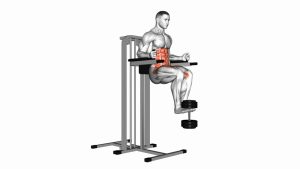
In the uploaded video, the subject begins from a strong support position with straight arms, stable shoulders, and legs hanging vertically before the raise starts.
Execution (Step-by-Step)
- Brace before moving: Keep the ribs controlled and prepare the core before lifting the legs.
- Raise the legs forward: Lift both straight legs together by flexing at the hips.
- Keep the knees extended: Maintain straight legs throughout the raise, as shown in the video.
- Stay tall through the arms: Keep pressing into the bars so the shoulders remain stable.
- Lift to about hip height: Raise the legs until they are near parallel to the floor, or as high as you can control.
- Pause briefly: Hold the top position without leaning back or swinging.
- Lower slowly: Bring the legs back down under control until they return to the vertical hanging position.
- Reset before the next rep: Stop any sway, re-brace, and repeat with the same strict form.
Pro Tips & Common Mistakes
Pro Tips
- Press down into the bars: This keeps the shoulders stable and prevents collapsing through the upper body.
- Move from the hips: Think about lifting the thighs forward while keeping the legs long and together.
- Use a slow lowering phase: The descent builds control and reduces momentum.
- Keep the torso quiet: A still torso makes the abdominals work harder and keeps the movement clean.
- Start with a smaller range: If needed, raise the legs only halfway until strength improves.
Common Mistakes
- Swinging the legs: Momentum reduces core tension and makes the exercise less effective.
- Bending the elbows: This can make the support position unstable and shift focus away from the core.
- Shrugging the shoulders: Keep the shoulders down to protect the support position.
- Dropping the legs: Lower slowly instead of letting gravity take over.
- Arching the lower back: Brace the core and avoid letting the pelvis dump forward at the bottom.
- Forcing the top range: Only lift as high as you can control without leaning back.
FAQ
What muscles does the vertical leg raise on parallel bars work?
It mainly works the rectus abdominis and hip flexors. In addition, the obliques and deep core muscles help stabilize the torso, while the shoulders, chest, and triceps support the body on the bars.
Is the vertical leg raise good for lower abs?
Yes, it is commonly used to train the lower-abdominal region because the pelvis and legs move against gravity. However, the hip flexors also work strongly, so controlled form is important.
Should my legs stay straight during the exercise?
In this version, yes. The uploaded video shows a straight-leg raise. If straight legs are too difficult, use bent-knee raises first and progress gradually.
How high should I lift my legs?
Lift the legs to about parallel with the floor, or to the highest point you can control without swinging, leaning back, or losing shoulder position.
Why do I feel this exercise in my hip flexors?
Hip flexor involvement is normal because the legs lift through hip flexion. To increase core control, brace the abs, lower slowly, and avoid using momentum.
Is this exercise beginner-friendly?
This straight-leg version is usually intermediate to advanced. Beginners should start with supported knee raises, bent-knee raises, or captain’s chair knee raises before using full straight legs.
How can I stop swinging during vertical leg raises?
Pause at the bottom, brace before each rep, and lower the legs slowly. Also, use fewer reps and a smaller range until you can control the movement.
Recommended Equipment
- Parallel Dip Bars — useful for bodyweight core work, dips, support holds, and vertical leg raises.
- Captain’s Chair / Power Tower — provides a stable station for knee raises, leg raises, dips, and pull-up variations.
- Gymnastics Grips — helps improve hand comfort and grip support during bar-based training.
- Wrist Wraps — optional support for people who feel wrist pressure during straight-arm support holds.
- Ab Straps — useful for hanging leg raise variations if you want a different core-training option.
Tip: Choose stable equipment first. Since this exercise depends on body control, shaky bars can make strict leg raises harder and less safe.