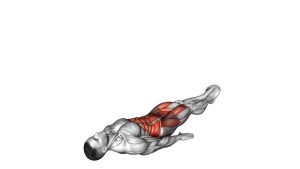
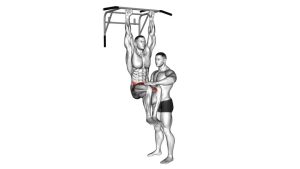
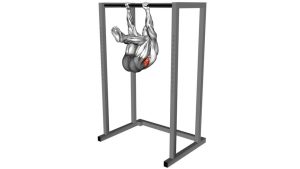
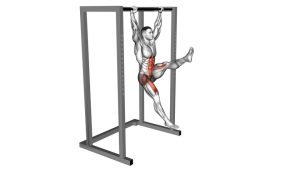
Cable Hanging Leg Raise: Form, Benefits, Sets, Tips & FAQ
Learn the Cable Hanging Leg Raise for stronger abs, hip flexors, and core control. Includes setup, execution, sets, mistakes, FAQs, and equipment.
Cable Hanging Leg Raise
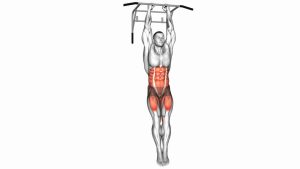
This exercise is best for lifters who already have strong hanging control and can perform regular hanging knee raises or hanging leg raises with clean form. Because the cable pulls the legs downward, the abs must work harder to lift, stabilize, and lower the legs under resistance. Each repetition should feel smooth, deliberate, and controlled. If your body swings, your lower back arches, or your shoulders lose position, reduce the weight immediately.
Quick Overview
| Body Part | Abs |
|---|---|
| Primary Muscle | Rectus abdominis, especially the lower-ab emphasis during hip flexion and pelvic control |
| Secondary Muscle | Hip flexors, obliques, transverse abdominis, forearms, lats, and shoulder stabilizers |
| Equipment | Cable machine, ankle strap or foot attachment, pull-up bar, and optional grip support |
| Difficulty | Advanced |
Sets & Reps (By Goal)
- Core strength: 3–4 sets of 6–10 controlled reps with moderate cable resistance.
- Ab hypertrophy: 3–5 sets of 8–12 reps with a slow lowering phase and full control.
- Lower-ab control: 2–4 sets of 8–15 reps using light resistance and strict technique.
- Advanced core finisher: 2–3 sets of 10–15 reps near the end of a core workout.
- Skill progression: 3 sets of 5–8 reps, focusing on no swing and clean pelvic control.
Progression rule: Add reps before adding weight. Once every rep is smooth, increase the cable load slightly. Never increase resistance if your legs drop quickly, your torso swings, or your lower back takes over.
Setup / Starting Position
- Set the cable low: Place the pulley near the floor so the resistance pulls downward and slightly back toward the machine.
- Attach the cable securely: Use ankle straps, foot cuffs, or a safe attachment around the lower legs or feet.
- Grip the bar: Hold the pull-up bar with both hands around shoulder-width apart.
- Start in a dead hang: Let the body hang tall while keeping the shoulders active and slightly packed.
- Brace the core: Tighten the abs gently before lifting. Do not begin the movement from a loose, swinging position.
- Control the legs: Keep the legs together and slightly in front of the body before starting the raise.
The starting position should feel strong and quiet. Your arms hold the body in place, but your core controls the movement.
Execution (Step-by-Step)
- Begin from a stable hang: Hold the bar firmly and allow the cable to create light tension through your legs.
- Brace before lifting: Pull the ribs slightly down and tighten the abs so the spine stays controlled.
- Raise the legs: Lift the legs forward by flexing the hips and curling the pelvis slightly upward.
- Reach the top with control: Bring the knees or legs toward the chest without swinging the torso backward.
- Squeeze the abs: Pause briefly at the top and focus on the lower ribs moving toward the pelvis.
- Lower slowly: Resist the cable as your legs return toward the starting position.
- Reset before the next rep: Stop any swing, re-brace, and repeat with the same smooth tempo.
Pro Tips & Common Mistakes
- Use light resistance first: Cable tension makes this exercise harder than it looks. Start low and build gradually.
- Control the bottom position: Do not let the legs swing behind the body. Keep tension in the abs at the bottom.
- Avoid using momentum: If you need to kick the legs up, the load is too heavy or the variation is too advanced.
- Keep the shoulders active: Do not hang passively from the shoulder joints. Maintain stable shoulder positioning.
- Do not over-arch the lower back: Keep the ribs down and pelvis controlled as the legs lower.
- Choose the right range: Beginners to this variation can use bent knees. Advanced lifters may use straighter legs.
- Slow the eccentric: Lower for 2–4 seconds to increase ab tension and reduce swinging.
- Pause between reps: A small reset helps prevent momentum from taking over the set.
- Keep the cable path clean: Make sure the attachment does not pull unevenly or twist your legs.
- Stop before form breaks: End the set when you can no longer control the cable and body position.
FAQ
Is the Cable Hanging Leg Raise good for lower abs?
Yes. The exercise strongly challenges the lower-ab region because the abs must control the pelvis as the legs lift and lower. However, the “lower abs” are not a separate muscle. They are part of the rectus abdominis, and this movement emphasizes the lower portion through hip flexion and pelvic control.
Is this exercise better than a regular hanging leg raise?
It is not automatically better, but it is more challenging. The cable adds resistance and increases tension through the range of motion. A regular hanging leg raise is better for learning control, while the cable version is better for advanced strength and progression.
Should I keep my legs straight or bent?
Bent knees are better if you are learning the movement or using heavier cable resistance. Straight legs make the exercise harder because they increase the lever length and demand more core control.
Why do I feel this in my hip flexors?
The hip flexors assist strongly because they lift the thighs. That is normal. To increase ab emphasis, curl the pelvis slightly at the top, keep the ribs down, and avoid simply swinging the legs from the hips.
How much weight should I use?
Use a very light cable load at first. The best starting weight is one that allows clean reps without swinging. If your body moves uncontrollably, your legs drop fast, or your grip fails early, reduce the load.
Can beginners do the Cable Hanging Leg Raise?
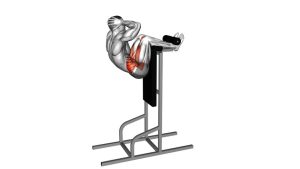
Most beginners should build up with lying leg raises, captain’s chair knee raises, and regular hanging knee raises first. This cable version is best for intermediate to advanced trainees who already have hanging strength and core control.
Recommended Equipment
- Cable Machine Ankle Straps — useful for attaching the cable securely to the ankles or lower legs.
- Hanging Ab Straps — helpful for reducing grip fatigue during hanging core exercises.
- Weightlifting Grip Straps — support grip endurance when hanging from a pull-up bar for longer sets.
- Pull-Up Bar — essential for hanging leg raise variations if your cable station does not include a suitable bar.
- Adjustable Cable Machine — allows smooth resistance for weighted core movements and cable-based ab training.
Choose equipment that keeps the cable attachment secure and comfortable. A poor setup can create twisting, slipping, or uneven resistance during the exercise.