Alternate Oblique Crunch: Form, Benefits, Sets, Tips & FAQ
Learn the Alternate Oblique Crunch to train your obliques, abs, and rotational core control with proper form, sets, tips, mistakes, FAQs, and gear.
Alternate Oblique Crunch
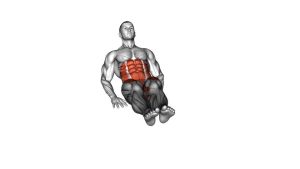
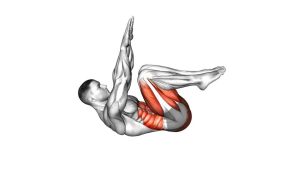
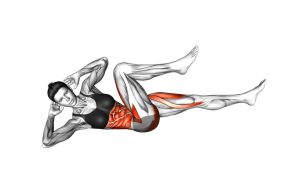
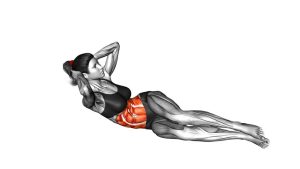
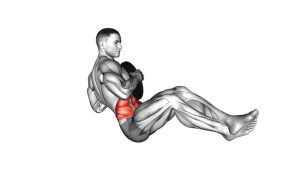
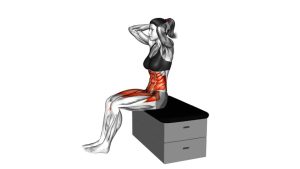
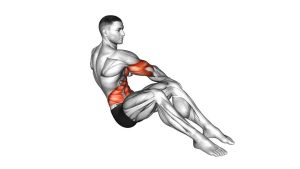
This exercise works best when each repetition is small, clean, and deliberate. First, the shoulders lift from the floor; then, the torso rotates toward the opposite side. As a result, the obliques create the diagonal crunching action while the hips and feet stay stable. For better results, avoid yanking the head forward, pulling hard on the neck, or bouncing quickly between sides.
Quick Overview
| Body Part | Core |
|---|---|
| Primary Muscle | Obliques |
| Secondary Muscle | Rectus abdominis, deep core stabilizers, hip flexors lightly as stabilizers |
| Equipment | None; exercise mat optional |
| Difficulty | Beginner to intermediate, depending on tempo and total reps |
Sets & Reps (By Goal)
- Beginner core control: 2–3 sets × 8–10 reps per side with slow, clean rotation.
- Muscular endurance: 3–4 sets × 12–20 reps per side using a steady alternating rhythm.
- Core finisher: 2–3 rounds × 30–45 seconds while keeping the neck relaxed and the feet stable.
- Warm-up activation: 1–2 sets × 8–12 reps per side before a core or full-body workout.
Progression rule: Add reps first, then slow the lowering phase, and only increase speed after your rotation stays controlled. Quality should stay higher than total rep count.
Setup / Starting Position
- Lie on your back: Position yourself on the floor with your knees bent and your feet planted flat.
- Set the feet: Keep both feet stable so the lower body does not rock side to side during the crunch.
- Place the hands near the head: Let the fingertips rest lightly near the temples or behind the ears without pulling.
- Open the elbows: Keep the elbows wide enough to encourage torso rotation rather than arm-driven movement.
- Brace gently: Tighten the midsection just enough to prepare for a smooth shoulder lift and diagonal crunch.
Tip: Before you begin, keep the chin slightly tucked and leave space between the chin and chest. This helps reduce neck strain during each alternating crunch.
Execution (Step-by-Step)
- Start from the floor: Keep your back on the mat, knees bent, feet planted, and hands light near the head.
- Lift the shoulders: Crunch upward just enough to bring the shoulder blades slightly away from the floor.
- Rotate diagonally: Turn your upper body toward one side as if bringing one elbow toward the opposite knee.
- Squeeze briefly: Pause for a moment at the top and feel the side abs contract.
- Return with control: Lower the shoulders back toward the floor without dropping suddenly.
- Switch sides: Rotate to the opposite side on the next rep while keeping the same controlled tempo.
- Continue alternating: Repeat side to side smoothly without using the arms to pull the head forward.
Pro Tips & Common Mistakes
- Rotate through the torso: Think about turning the ribcage toward the opposite side instead of simply moving the elbow.
- Keep the feet grounded: Stable feet help the obliques work harder and reduce unnecessary hip movement.
- Avoid neck pulling: Keep the hands light because pulling the head forward can create neck discomfort.
- Use a controlled tempo: Lift and rotate smoothly, then lower with control before switching sides.
- Do not rush the reps: Fast, sloppy reps often reduce oblique tension and increase momentum.
- Keep the crunch moderate: You do not need to sit all the way up; a small shoulder lift with rotation is enough.
- Exhale as you crunch: Breathing out during the lift can help the abs contract more naturally.
- Maintain even reps: Since this is an alternating exercise, perform the same number of reps on both sides.
FAQ
What muscles does the Alternate Oblique Crunch work?
The Alternate Oblique Crunch mainly works the obliques, which help rotate and flex the torso. In addition, the rectus abdominis assists with the crunching action, while the deeper core muscles help stabilize the trunk.
Is the Alternate Oblique Crunch good for beginners?
Yes. It can be beginner-friendly when performed slowly with a small range of motion. However, beginners should avoid pulling on the neck and should focus on rotating the torso with control.
Should my elbow touch my opposite knee?
Not necessarily. The goal is not forced contact. Instead, focus on bringing the shoulder and ribcage diagonally toward the opposite side while keeping the movement controlled.
Why do I feel this exercise in my neck?
Neck tension usually happens when the hands pull the head forward or when the chin collapses toward the chest. To fix this, keep your hands light, look slightly upward, and let the abs lift the shoulders.
How many Alternate Oblique Crunches should I do?
Start with 2–3 sets of 8–10 reps per side. Then, as your control improves, increase to 12–20 reps per side or use timed sets of 30–45 seconds.
Can I do Alternate Oblique Crunches every day?
You can use them frequently at low to moderate volume. However, if your abs, neck, or lower back feel overly sore, take a rest day or reduce the total reps.
Recommended Equipment (Optional)
- Exercise Mat — adds comfort for the spine, shoulders, and hips during floor crunches.
- Thick Yoga Mat — provides extra cushioning if regular mats feel too thin on hard floors.
- Ab Workout Mat — supports repeated crunch variations and helps make core sessions more comfortable.
- Non-Slip Exercise Mat — helps keep your body stable while alternating from side to side.
- Core Sliders — useful for progressing into more advanced rotational core exercises later.
Tip: Equipment is optional for this exercise. However, a comfortable mat can improve focus because it reduces pressure on the back during repeated floor-based reps.