Front Plank with Twist: Form, Benefits, Sets, Tips & FAQ
Learn how to perform the Front Plank with Twist with proper form. This guide explains core benefits, oblique activation, setup, execution, mistakes, FAQs, and recommended equipment for safer rotational plank training.
Front Plank with Twist
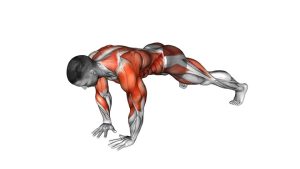
This exercise is useful for building rotational core strength without machines, cables, or heavy equipment. However, it should not be treated like a fast conditioning drill at first. Instead, each rep should be slow, balanced, and deliberate. The hips should rotate with the shoulders, while the supporting hand stays under the shoulder. Therefore, the entire body works as one connected unit rather than as separate moving parts.
In addition, the Front Plank with Twist challenges the body in several directions. The abs help keep the trunk firm, while the obliques rotate and control the side-to-side motion. Meanwhile, the shoulders stabilize the upper body, and the glutes help stop the pelvis from dropping. Because these areas work together, the exercise is excellent for athletes, home workouts, functional training, and anyone who wants stronger core control.
Quick Overview
| Body Part | Core |
|---|---|
| Primary Muscle | Obliques |
| Secondary Muscle | Rectus abdominis, transverse abdominis, shoulders, serratus anterior, glutes, and lower-back stabilizers |
| Equipment | Bodyweight only; optional exercise mat |
| Difficulty | Intermediate |
Sets & Reps (By Goal)
- Core stability: Perform 2–3 sets of 6–10 reps per side. Then rest 45–60 seconds between sets.
- Oblique strength: Complete 3–4 sets of 8–12 reps per side. In addition, pause briefly at the top of each twist.
- Bodyweight conditioning: Use 3–5 sets of 20–40 seconds. However, keep every rep smooth instead of rushing.
- Beginner progression: Start with 2–3 sets of 4–6 reps per side. Also, keep the feet wider for better balance.
- Advanced control: Try 3–4 sets of 10–15 reps per side. Furthermore, slow the return phase to increase time under tension.
Progression rule: First improve alignment, then increase reps or time. If your hips sag or your shoulders wobble, shorten the set. After that, rebuild the movement with slower reps and better control.
Setup / Starting Position
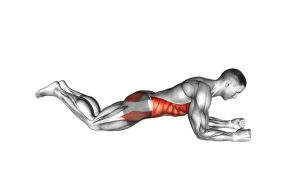
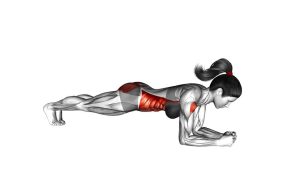
- Start in a high plank: Place your hands on the floor directly under your shoulders. Then extend your legs behind you and create a straight line from head to heels.
- Set your feet: Position your feet about hip-width to shoulder-width apart. If you need more stability, place them wider before you begin.
- Brace your core: Pull your ribs slightly down and tighten your abs. As a result, your lower back stays supported during the twist.
- Engage your glutes: Lightly squeeze your glutes before rotating. This helps keep the pelvis lifted and reduces unwanted lower-back movement.
- Set your shoulders: Press the floor away with both hands. Meanwhile, keep the shoulder blades controlled instead of letting the chest sink down.
- Keep your neck neutral: Look slightly ahead of your hands. Also, avoid dropping the head or turning it too early before the torso rotates.
Execution (Step-by-Step)
- Begin from a strong plank: Keep both hands planted, shoulders stacked above the wrists, abs tight, and legs extended.
- Shift your weight slightly: Move a little more weight into one hand. However, keep the supporting shoulder strong and avoid sinking into the joint.
- Start the twist: Lift the opposite hand from the floor. Then begin rotating your chest open toward the side.
- Rotate as one unit: Let the shoulders, ribs, and hips turn together. In contrast, avoid moving only the arm while the torso stays flat.
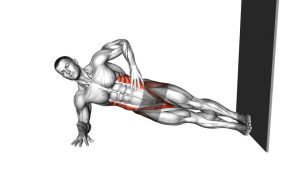
- Reach the top position: Open into a side-plank-like position. Then reach the top arm upward while keeping the supporting hand under the shoulder.
- Keep the hips lifted: Maintain tension through the obliques and glutes. Otherwise, the pelvis may drop and shift stress into the lower back.
- Pause briefly: Hold the open position for one controlled moment. At the same time, breathe out and keep your ribs from flaring.
- Return with control: Rotate back to the front plank slowly. Then place the hand under the shoulder before changing sides.
- Repeat on the opposite side: Alternate left and right reps. Finally, keep the same tempo, range, and alignment on both sides.
Pro Tips & Common Mistakes
Pro Tips
- Use a wide foot stance first: A wider base gives you more balance. Then, as your control improves, bring the feet slightly closer.
- Move with a steady tempo: Rotate up for about 2 seconds, pause, and then return for about 2 seconds. This keeps tension on the obliques.
- Press through the support hand: Push the floor away throughout the rep. As a result, the shoulder stays more stable.
- Rotate the chest, not just the arm: The arm should follow the torso. Otherwise, the movement becomes less effective for the core.
- Control your ribs: Keep the ribs from flaring at the top. In addition, keep the abs active as you return to the plank.
- Breathe with the movement: Exhale as you rotate open. Then inhale softly as you return to the starting position.
Common Mistakes
- Letting the hips sag: This usually means the core or glutes are losing tension. Therefore, shorten the set and rebuild the plank position.
- Rotating too fast: Speed often creates momentum. Instead, slow down and make each rep clean.
- Collapsing into the shoulder: This can make the movement uncomfortable. For this reason, keep pushing through the floor.
- Over-twisting the lower back: The torso and hips should rotate together. Otherwise, the lower back may take too much stress.
- Holding the breath: Breath-holding can create unnecessary tension. Instead, breathe steadily through the whole set.
- Losing head position: Dropping the head can disturb alignment. Also, turning the head too early may pull the body out of position.
FAQ
What muscles does the Front Plank with Twist work?
The Front Plank with Twist mainly targets the obliques. In addition, it works the rectus abdominis, transverse abdominis, shoulders, serratus anterior, glutes, and spinal stabilizers. Because the body rotates while staying braced, it trains both rotational movement and anti-rotation control.
Is the Front Plank with Twist good for abs?
Yes. This exercise is excellent for abs because the core must stay tight while the torso rotates. However, it is especially useful for the obliques because they control the twist and help return the body to center.
Is this exercise beginner-friendly?
It can be challenging for complete beginners. Therefore, start with a regular high plank first. After that, practice shoulder taps or side plank holds before adding the full twist.
Should I do this exercise fast or slow?
Slow reps are better for strength, control, and technique. Fast reps may feel harder at first, but they often reduce core tension. Instead, use a smooth tempo and pause briefly at the top.
Why do I feel it in my shoulders?
Some shoulder work is normal because one arm supports your body during the twist. However, sharp pain or joint discomfort is not normal. Therefore, keep your hand under your shoulder, press the floor away, and reduce the range if needed.
How can I make the Front Plank with Twist easier?
Place your feet wider, reduce the rotation range, or perform the exercise with your hands on a bench. Also, move slowly and focus on keeping the hips lifted before trying more reps.
How can I make it harder?
Bring your feet closer together, pause longer at the top, or slow down the return phase. Furthermore, you can hold a light dumbbell in the reaching hand once your bodyweight form is stable.
Recommended Equipment (Optional)
- Exercise Mat — adds comfort for floor-based plank work and helps protect the hands and feet.
- Push-Up Handles — may reduce wrist extension and improve hand comfort during plank variations.
- Non-Slip Workout Mat — helps prevent sliding during the rotation and return phase.
- Core Sliders — useful for advanced plank progressions and dynamic core training.
- Light Dumbbells Set — optional for advanced loaded plank rotations after bodyweight control is mastered.
Choose equipment that improves comfort and control. However, avoid adding load until your bodyweight reps are smooth, balanced, and pain-free.