Crunch Hold with Legs on Bench: Form, Sets, Tips & FAQ
Learn the Crunch Hold with Legs on Bench to build stronger abs, core endurance, and controlled spinal flexion with safe form, sets, tips, and FAQs.
Crunch Hold with Legs on Bench
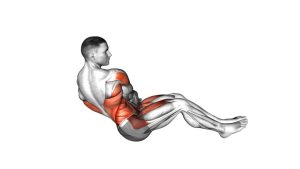
This exercise works best when the movement stays small, steady, and intentional. Instead of rushing through repetitions, you hold the crunch position and maintain abdominal tension for time. As a result, it can improve core endurance, strengthen controlled spinal flexion, and help beginners learn how to brace without using momentum. However, the neck should stay relaxed, the bench-supported legs should remain still, and the upper back should lift only as far as you can control.
Quick Overview
| Body Part | Abs |
|---|---|
| Primary Muscle | Rectus abdominis |
| Secondary Muscle | Deep core stabilizers, obliques, hip flexors lightly as stabilizers |
| Equipment | Flat bench or stable exercise bench |
| Difficulty | Beginner to intermediate, depending on hold duration and control |
Sets & Reps (By Goal)
- Beginner core control: 2–3 sets × 10–20 second holds, resting 45–60 seconds between sets.
- Ab endurance: 3–4 sets × 20–40 second holds, using calm breathing and steady tension.
- Core finisher: 2–3 sets × 30–45 second holds after your main workout.
- Form practice: 2 sets × 8–12 controlled mini crunches, then hold the final rep for 10–15 seconds.
Progression rule: Add time before adding intensity. Once you can hold the position without neck tension, increase each hold by 5 seconds or add one extra set.
Setup / Starting Position
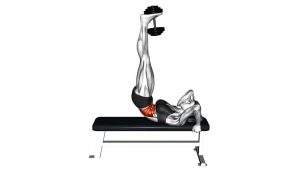
- Lie on your back: Position yourself on the floor with your hips close enough to a bench so your lower legs can rest on top.
- Place the legs on the bench: Rest your calves on the bench with your knees bent around 90 degrees.
- Set your spine: Keep your lower back gently connected to the floor without aggressively flattening it.
- Relax the neck: Keep the head neutral and avoid yanking it forward with the hands.
- Prepare to brace: Exhale lightly, tighten the abs, and keep the legs quiet before lifting.
Tip: The bench should feel stable. If it slides, shakes, or feels too high, choose a lower and more secure surface.
Execution (Step-by-Step)
- Brace first: Take a controlled breath, then gently tighten your abs before moving.
- Lift into a small crunch: Raise your head and shoulder blades slightly off the floor while keeping the lower back grounded.
- Hold the top position: Pause in the crunch position and maintain steady abdominal tension.
- Keep the legs still: Let the bench support your lower legs without pushing, kicking, or swinging.
- Breathe under control: Use short, calm breaths while keeping the ribs slightly drawn down.
- Lower slowly: Return the upper back and head to the floor with control instead of dropping down quickly.
Pro Tips & Common Mistakes
- Keep the range small: Lift only until the shoulder blades clear the floor. More height does not always mean better ab tension.
- Avoid neck pulling: If your hands are near your head, keep them light and avoid dragging the chin toward the chest.
- Do not bounce: Since this is a hold, stay still at the top and focus on controlled tension.
- Control the ribs: Keep the ribs from flaring upward so the abs stay active throughout the hold.
- Do not press hard through the legs: The bench supports the legs, but the abs should do the main work.
- Use steady breathing: Holding your breath can create unnecessary pressure and reduce control.
- Lower with control: The return phase matters because dropping quickly can reduce tension and irritate the neck or back.
FAQ
What muscles does the Crunch Hold with Legs on Bench work?
It mainly works the rectus abdominis, which is the front abdominal muscle responsible for trunk flexion. The obliques and deep core muscles also assist by helping stabilize the torso during the hold.
Is this exercise better than regular crunches?
It is not always better, but it is useful for learning control. Because the legs are supported on a bench, many people can focus more on the abs and less on swinging or pulling with the hips.
How high should I lift during the crunch hold?
Lift only high enough for the shoulder blades to come slightly off the floor. Additionally, keep the lower back grounded and avoid turning the movement into a full sit-up.
Why do I feel this in my neck?
Neck tension usually happens when you pull the head forward, tuck the chin too hard, or hold the position too long. Therefore, reduce the hold time, keep the hands light, and focus on lifting from the upper back instead of the head.
Can beginners do the Crunch Hold with Legs on Bench?
Yes. Beginners can start with short 10–15 second holds. However, the movement should stay controlled, pain-free, and free from bouncing or excessive neck strain.
How can I make this exercise harder?
First, increase the hold duration. Then, add more sets or slow the lowering phase. For most people, longer clean holds are a better progression than lifting higher.
Recommended Equipment
- Flat Weight Bench — provides a stable surface to support the lower legs during the crunch hold.
- Adjustable Workout Bench — useful for multiple exercises and can work well if set flat and stable.
- Thick Exercise Mat — adds comfort under the spine, shoulders, and head during floor-based core work.
- Ab Workout Mat — supports repeated crunch-style exercises and helps reduce floor pressure.
- Workout Interval Timer — helps track hold duration accurately during isometric ab sets.
Tip: Choose stable equipment first. For this exercise, a secure bench and comfortable floor surface matter more than added resistance.