Dumbbell Decline Sit-Up: Proper Form, Core Benefits, Sets, Tips & FAQ
Learn the Dumbbell Decline Sit-Up for stronger abs and core control. Includes form steps, sets, common mistakes, FAQs, and equipment tips.
Dumbbell Decline Sit-Up
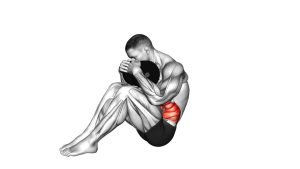
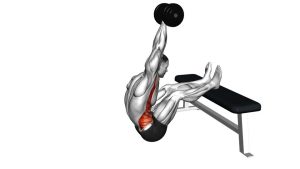
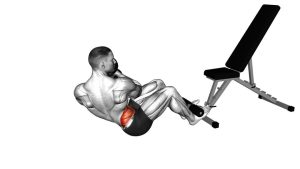
This exercise is most effective when the movement stays smooth from the bottom position to the upright position. In the uploaded video, the dumbbell stays close to the chest, the feet remain anchored, and the torso rises and lowers under control. Therefore, the goal is not speed. Instead, focus on controlled spinal flexion, stable hips, and a steady return to the bench.
Quick Overview
| Body Part | Core |
|---|---|
| Primary Muscle | Rectus abdominis |
| Secondary Muscle | Hip flexors, obliques, deep core stabilizers |
| Equipment | Dumbbell and decline bench |
| Difficulty | Intermediate to advanced, depending on bench angle and dumbbell weight |
Sets & Reps (By Goal)
- Core strength: 3–4 sets × 6–10 reps with a controlled tempo and moderate load.
- Muscle building: 3–4 sets × 8–15 reps while keeping constant tension on the abs.
- Core endurance: 2–3 sets × 12–20 reps using a lighter dumbbell and smooth breathing.
- Technique practice: 2–3 sets × 6–8 slow reps before increasing weight or bench decline.
Progression rule: Increase control first, then reps, then dumbbell weight. Additionally, use a steeper decline only when your lower back stays comfortable and your reps remain clean.
Setup / Starting Position
- Set the decline bench: Choose a decline angle that allows full control without sliding or pulling aggressively with the legs.
- Anchor your feet: Secure both feet under the bench pads so the lower body stays stable throughout the movement.
- Hold the dumbbell close: Grip one dumbbell with both hands and keep it tight against the chest.
- Lower onto the bench: Start with the back supported on the decline bench and the knees bent.
- Brace before moving: Tighten the abs gently, keep the ribs controlled, and prepare to lift without jerking.
Tip: A lighter dumbbell is usually better at first because it helps you learn the movement without swinging or losing control.
Execution (Step-by-Step)
- Begin from the lowered position: Keep the dumbbell close to your chest and maintain secure foot contact under the pads.
- Curl the torso upward: Lift from the upper back first, then continue rising through the midsection.
- Keep the dumbbell stable: Do not let the weight swing forward, because momentum reduces abdominal tension.
- Reach the top with control: Sit up until the torso is near upright while keeping the hips steady.
- Pause briefly: Hold the top position for a moment to confirm balance and core tension.
- Lower slowly: Return to the bench with control, allowing the spine to roll down gradually instead of dropping.
- Reset before the next rep: Once the back returns to the bench, brace again and repeat with the same smooth tempo.
Pro Tips & Common Mistakes
- Keep the dumbbell close: Holding the weight tight to the chest improves control and reduces shoulder strain.
- Move with your abs first: Avoid throwing the shoulders forward or using a sudden hip pull to start the rep.
- Control the lowering phase: The descent is just as important as the lift, so do not collapse back onto the bench.
- Use a manageable decline: A steep bench angle makes the exercise harder, but it can also increase compensation.
- Avoid neck pulling: Keep the head neutral and let the torso movement come from the trunk.
- Do not overuse the hip flexors: If the front of the hips dominates, reduce the range, weight, or bench angle.
- Breathe with rhythm: Exhale as you sit up, then inhale as you lower with control.
FAQ
What muscles does the Dumbbell Decline Sit-Up work?
The main target is the rectus abdominis, which helps flex the trunk. The hip flexors, obliques, and deep core stabilizers also assist, especially because the body is working from a decline angle.
Is the Dumbbell Decline Sit-Up good for building abs?
Yes. Because it adds external resistance to a decline sit-up pattern, it can help build stronger and more defined abs when performed with control. However, visible abs also depend on nutrition, total training, and body-fat levels.
Should beginners do this exercise?
Beginners should usually master bodyweight sit-ups, crunches, and bodyweight decline sit-ups first. After that, a light dumbbell can be added gradually.
How heavy should the dumbbell be?
Choose a dumbbell that allows clean reps without swinging. As a practical rule, the weight is too heavy if you lose control at the bottom, pull hard with the legs, or cannot lower slowly.
Why do I feel this exercise in my hip flexors?
Some hip-flexor involvement is normal during sit-up variations. However, if the hips dominate the movement, reduce the decline angle, use a lighter dumbbell, and focus on curling the torso rather than yanking upward.
Can I do Dumbbell Decline Sit-Ups every day?
It is better to train this exercise 2–3 times per week because it uses added resistance and a large range of motion. On other days, use easier core drills such as planks, dead bugs, or basic crunches.
Recommended Equipment
- Adjustable Decline Bench — useful for setting the correct angle and safely anchoring the feet.
- Rubber Hex Dumbbell — provides stable resistance for weighted sit-ups and general strength training.
- Adjustable Dumbbell Set — allows small weight jumps as your core strength improves.
- Ab Workout Mat — helpful for floor-based core warm-ups before decline bench work.
- Weightlifting Gloves — improves grip comfort when holding the dumbbell close to the chest.
Tip: The most important equipment choice is a stable decline bench. Additionally, use a dumbbell weight that supports clean control instead of forcing momentum.