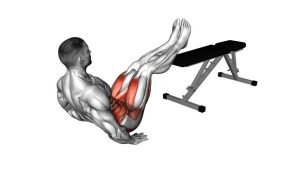
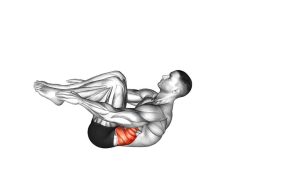
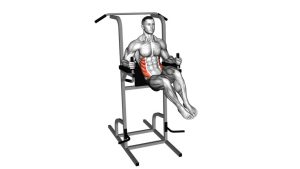
V-Sit Cross Punch: Core Rotation Exercise, Form, Sets & Tips
Learn the V-Sit Cross Punch for stronger abs, obliques, and rotational core control. Includes setup, steps, sets, mistakes, FAQs, and gear.
V-Sit Cross Punch
This exercise is best used when you want to train the rectus abdominis, obliques, hip-flexor endurance, and rotational control together. However, the goal is not to throw fast punches with loose posture. Instead, keep your spine tall, brace your core, and rotate your shoulders as each arm reaches across the body.
Quick Overview
| Body Part | Core |
|---|---|
| Primary Muscle | Rectus abdominis and obliques |
| Secondary Muscle | Hip flexors, transverse abdominis, shoulders, chest, and upper back stabilizers |
| Equipment | No equipment required; optional exercise mat |
| Difficulty | Intermediate because the legs stay elevated while the torso rotates |
Sets & Reps (By Goal)
- Core endurance: 2–4 sets × 20–40 total punches, resting 45–75 seconds between sets.
- Oblique control: 3–4 sets × 10–16 slow punches per side, using a controlled rotation.
- Conditioning finisher: 2–3 rounds × 30–45 seconds, resting 30–60 seconds between rounds.
- Beginner modification: 2–3 sets × 12–20 total punches with heels lightly touching the floor.
Progression rule: First increase control and hold quality. After that, add more punches, extend the set time, or straighten the legs slightly while maintaining a stable torso.
Setup / Starting Position
- Sit on the floor: Start on a mat with your knees bent and your torso upright.
- Lean back slightly: Create a V-sit angle while keeping your chest lifted and spine long.
- Lift your feet: Raise both feet off the floor with knees bent, as shown in the exercise.
- Brace your core: Tighten your abs gently so your lower back does not collapse or round excessively.
- Set your hands: Bring your arms in front of your body, ready to punch across the midline.
Tip: If balance is difficult, keep your heels close to the floor or lightly touching down until your core control improves.
Execution (Step-by-Step)
- Hold the V-sit: Keep your feet elevated, knees bent, and torso slightly reclined.
- Rotate to one side: Turn your shoulders and ribcage as one arm begins to punch across your body.
- Extend the punch: Reach diagonally across the body without letting your legs drop or swing.
- Return through center: Pull the punching arm back and bring your torso back under control.
- Switch sides: Rotate the opposite way and punch across with the other arm.
- Repeat rhythmically: Continue alternating sides while keeping your breathing steady and your core braced.
Pro Tips & Common Mistakes
- Keep the legs stable: If your feet swing up and down, slow the punches and reduce the range.
- Rotate from the torso: Let the shoulders and ribs turn together instead of throwing only the arm.
- Avoid collapsing backward: Keep your chest lifted so the abs work without excessive lower-back strain.
- Use controlled punches: Fast, sloppy reps usually reduce oblique tension and increase compensation.
- Relax the neck: Look forward naturally and avoid pulling your chin toward your chest.
- Breathe through the set: Exhale lightly as you punch, then inhale as you return toward center.
- Modify when needed: Place heels on the floor if the full elevated-leg position causes back discomfort.
FAQ
What muscles does the V-Sit Cross Punch work?
The V-Sit Cross Punch mainly works the abs and obliques. Additionally, the hip flexors, shoulders, chest, and upper-back stabilizers assist because the legs stay lifted while the arms punch across the body.
Is the V-Sit Cross Punch good for obliques?
Yes. The alternating cross-body punch creates a rotational demand, so the obliques help turn and control the torso. For better oblique engagement, rotate with control instead of rushing the punches.
Why does my lower back hurt during this exercise?
Lower-back discomfort often happens when the abs fatigue, the torso collapses, or the legs are too hard to hold up. Therefore, reduce the range, place your heels on the floor, or shorten the set until you can keep a stronger brace.
Can beginners do the V-Sit Cross Punch?
Beginners can use a modified version. Keep the heels lightly on the floor, use slower punches, and focus on posture first. Once control improves, lift the feet for the full version.
Should I punch fast or slow?
Use a controlled pace first. Although faster punches can raise intensity, slow and clean reps are better for learning balance, bracing, and torso rotation.
Recommended Equipment
- Exercise Mat — provides floor comfort and helps protect the tailbone during seated core work
- Thick Yoga Mat — useful if the seated position feels uncomfortable on a hard floor
- Core Sliders — helpful for pairing this exercise with additional ab and oblique drills
- Light Dumbbells — optional progression for advanced users who can maintain perfect control
- Medicine Ball — useful for rotational core training variations and seated twist progressions
Tip: Start with bodyweight only. Add tools only after your V-sit position stays steady and your lower back remains comfortable.