Flat Bench Lying Leg Raise Hip Lift: Abs Form, Sets, Tips & FAQ
Learn the flat bench lying leg raise hip lift for stronger abs, better core control, safe setup, clean reps, common mistakes, FAQs, and gear.
Flat Bench Lying Leg Raise Hip Lift
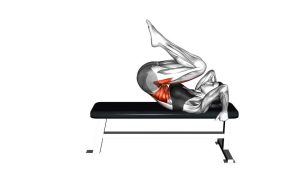
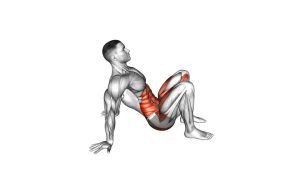
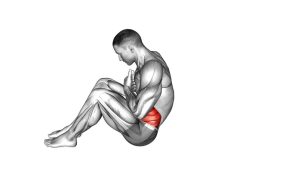
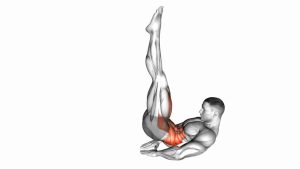
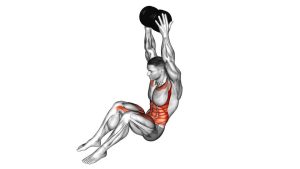
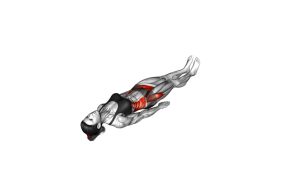
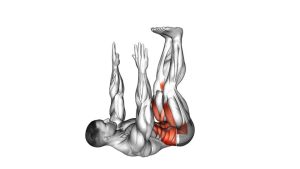
This exercise works best when every rep stays slow and precise. First, the body stays supported on the bench while the hands hold the bench for stability. Then, the legs move upward and the pelvis lifts slightly from the bench. Finally, the hips lower with control so the abs stay active throughout the full repetition.
Quick Overview
| Body Part | Abs |
|---|---|
| Primary Muscle | Rectus abdominis, especially the lower abdominal region |
| Secondary Muscle | Hip flexors, obliques, deep core stabilizers |
| Equipment | Flat bench |
| Difficulty | Beginner to intermediate, depending on leg control and range of motion |
Sets & Reps (By Goal)
- Core activation: 2–3 sets × 8–12 controlled reps with a small hip lift.
- Ab strength: 3–4 sets × 10–15 reps with a brief pause at the top.
- Lower-ab focus: 3 sets × 8–12 reps using a slow curl of the pelvis.
- Beginner practice: 2 sets × 6–10 reps with bent knees or reduced range.
- Core finisher: 2–3 sets × 12–20 reps using light, smooth, non-swinging motion.
Progression rule: Improve control before increasing reps. Once you can lift and lower without swinging, progress by adding a longer top pause or slowing the lowering phase.
Setup / Starting Position
- Lie on a flat bench: Position your back fully supported on the bench.
- Hold the bench: Grip the bench near your head or upper body to create stable support.
- Set your legs: Raise your legs upward so they are close to vertical or slightly bent if needed.
- Brace your core: Pull your ribs down gently and prepare to move from the abs, not momentum.
- Keep your neck relaxed: Avoid lifting the head or straining the shoulders.
- Control the pelvis: Start with the hips on the bench before initiating the small upward lift.
Tip: If straight legs feel too difficult, slightly bend the knees. This makes the exercise easier while still training the abs.
Execution (Step-by-Step)
- Start stable: Lie flat on the bench, hold the bench firmly, and keep your legs raised.
- Brace the abs: Keep your lower ribs controlled and avoid arching your lower back.
- Lift the hips: Curl the pelvis upward slightly so the hips lift from the bench.
- Keep the motion small: Focus on a controlled hip lift rather than throwing the legs overhead.
- Pause briefly: Hold the top position for a moment while keeping tension in the abs.
- Lower slowly: Return the hips to the bench with control instead of dropping down.
- Repeat cleanly: Reset your brace and continue with the same smooth tempo.
Pro Tips & Common Mistakes
Pro Tips
- Use the bench for stability: Hold the bench firmly, but do not pull your body into the movement.
- Curl the pelvis: Think about rolling the hips slightly upward using the lower abs.
- Control the lowering phase: The return is just as important as the lift.
- Keep reps quiet: Smooth reps usually mean better abdominal control.
- Shorten the range if needed: Smaller clean reps are better than large swinging reps.
Common Mistakes
- Swinging the legs: Momentum reduces ab tension and makes the movement less effective.
- Using the arms too much: The hands should stabilize, not pull the hips up.
- Arching the lower back: Keep the ribs down and brace before each rep.
- Lifting too high: A small hip lift is enough when the abs are doing the work.
- Dropping the hips: Lower slowly to protect the back and maintain core tension.
- Tensing the neck: Keep the head and shoulders relaxed on the bench.
FAQ
What muscles does the flat bench lying leg raise hip lift work?
It mainly works the rectus abdominis, especially the lower-ab region during the hip lift. The hip flexors and obliques also assist with leg control and stabilization.
Is this exercise the same as a reverse crunch?
It is very similar. However, this version is performed on a flat bench with the legs raised, and the focus is on a small controlled hip lift rather than a large rolling motion.
Should I keep my legs straight?
Straight legs make the exercise harder. Therefore, beginners can slightly bend the knees to reduce strain and improve control.
Where should I feel this exercise?
You should feel strong tension through the abs, especially near the lower abdominal area. If you mostly feel hip flexor strain or lower-back discomfort, reduce the range and slow down.
Why does my lower back hurt during this movement?
Lower-back discomfort often happens when the legs swing, the ribs flare, or the hips drop too fast. To fix this, brace your core, bend your knees slightly, and use a smaller hip lift.
Can beginners do this exercise?
Yes, but beginners should use a smaller range of motion and bent knees at first. As control improves, the legs can become straighter and the top pause can become longer.
Recommended Equipment
- Flat Weight Bench — provides the stable surface needed for lying bench leg raise variations.
- Adjustable Weight Bench — useful if you want more exercise options beyond flat-bench core work.
- Thick Exercise Mat — helpful for floor-based reverse crunches and warm-up core drills.
- Ab Straps — useful for progressing into hanging knee raises and hanging leg raise variations.
- Ankle Weights — optional advanced progression for controlled leg raise exercises.
Tip: Start with a stable bench and clean bodyweight control first. After that, use added resistance only when your hips lift smoothly without swinging.