Suspender Jackknife: Form, Core Benefits, Sets, Tips & FAQ
Learn how to do the Suspender Jackknife with proper form. Build stronger abs, hip flexors, and core control using suspension straps safely.
Suspender Jackknife
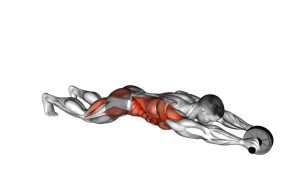
This exercise works best when the body moves as one connected unit. First, you create a strong plank. Then, you pull the knees forward without letting the hips sag, the shoulders collapse, or the straps swing out of control. Although the Suspender Jackknife looks simple, it requires excellent trunk stiffness, balance, and breathing control.
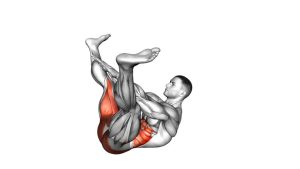
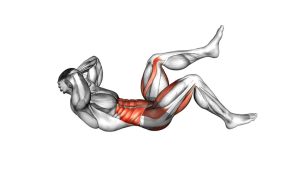
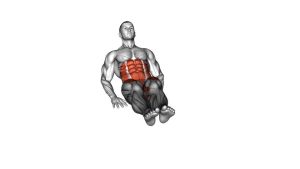
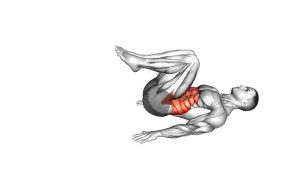
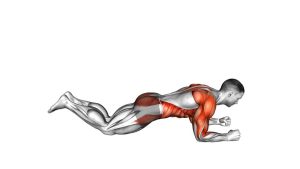
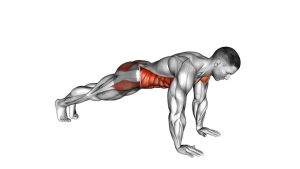
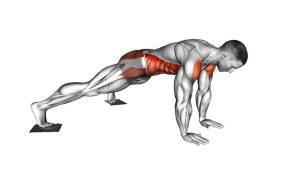
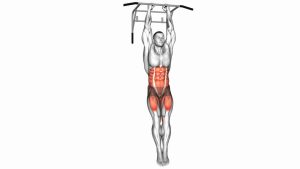
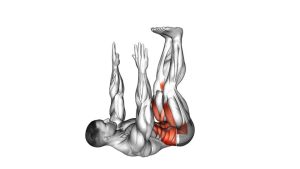
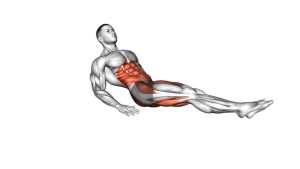
In the video demonstration, the movement begins from a stable suspended plank. Next, the knees travel toward the chest as the hips flex upward. After a brief top contraction, the legs extend back slowly until the body returns to a straight plank. Therefore, the exercise is not only an abdominal contraction drill; it is also a full-body stability challenge.
Quick Overview
| Body Part | Core |
|---|---|
| Primary Muscle | Rectus abdominis |
| Secondary Muscle | Hip flexors, transverse abdominis, obliques, shoulders, serratus anterior |
| Equipment | Suspension trainer / suspender straps / TRX-style straps |
| Difficulty | Intermediate to advanced |
Sets & Reps (By Goal)
- Core strength: 3–4 sets × 8–12 controlled reps with 60–90 seconds rest.
- Core endurance: 2–3 sets × 12–15 reps with a slower return and 45–75 seconds rest.
- Advanced ab training: 4 sets × 10–15 reps with a 1-second squeeze at the top.
- Technique practice: 2–3 sets × 5–8 reps using a smaller range of motion.
- Workout finisher: 2 rounds × 20–30 seconds, but only if form stays clean.
Progression rule: Add reps only after you can return to the plank without swinging, sagging, or rushing. After that, increase difficulty by slowing the eccentric phase or pausing longer at the top.
Setup / Starting Position
- Set the straps: Adjust the suspension straps so the foot cradles hang low enough for a strong plank position.
- Place your feet in the cradles: Secure both feet evenly so the straps do not twist during the movement.
- Walk your hands forward: Move into a high plank with hands under shoulders and arms straight.
- Brace your core: Pull the ribs down slightly, tighten the abs, and keep the pelvis controlled.
- Stack the upper body: Keep the shoulders directly over the wrists while pressing the floor away.
- Set your line: Your head, spine, hips, and heels should form one long line before the first rep begins.
A strong setup makes the exercise safer. Therefore, do not begin the jackknife until the straps are still, your shoulders feel stable, and your lower back is not arching.
Execution (Step-by-Step)
- Start in a suspended plank: Keep your hands planted, arms long, and core braced.
- Initiate from the abs: Pull your knees toward your chest while keeping the movement smooth.
- Lift the hips slightly: Allow the hips to flex upward as the knees travel forward.
- Control the straps: Keep both feet moving together so the straps do not swing side to side.
- Squeeze at the top: Pause briefly when your knees are close to your torso.
- Extend with control: Slowly move your legs back until your body returns to a straight plank.
- Reset before repeating: Stabilize your shoulders, brace your abs again, and begin the next rep only when you are steady.
Pro Tips & Common Mistakes
Pro Tips
- Press the floor away: This helps keep the shoulders stable and prevents collapsing into the wrists.
- Move slowly: A controlled jackknife trains the abs better than a fast swinging rep.
- Keep the ribs down: This cue helps reduce lower-back extension during the return phase.
- Exhale as the knees come in: Breathing out improves abdominal contraction and control.
- Use a shorter range first: Smaller reps are useful when learning the movement.
- Keep both feet even: Balanced strap tension helps prevent rotation and uneven hip movement.
Common Mistakes
- Letting the hips sag: This shifts stress into the lower back instead of the abs.
- Using momentum: Swinging makes the exercise easier but less effective.
- Pulling too fast: Speed often causes poor shoulder control and strap instability.
- Looking forward too much: Overextending the neck can disturb spinal alignment.
- Allowing the shoulders to drift: Keep the shoulders stacked and strong throughout the set.
- Rushing the return: The eccentric phase is where much of the core control is built.
FAQ
What muscles does the Suspender Jackknife work?
The Suspender Jackknife mainly targets the rectus abdominis. However, it also trains the hip flexors, transverse abdominis, obliques, shoulders, and serratus anterior because the body must stay stable while the feet move in suspended straps.
Is the Suspender Jackknife good for lower abs?
Yes. The exercise strongly challenges the lower portion of the abdominal wall during the knee-tuck phase. Still, the abs work as one unit, so you should focus on full-core tension rather than trying to isolate only the lower abs.
Is this exercise beginner-friendly?
It is usually better for intermediate and advanced trainees. Beginners should first master planks, mountain climbers, stability ball knee tucks, and suspension plank holds before performing full Suspender Jackknives.
Why do my straps swing during the movement?
Swinging usually happens when the movement is too fast or the core is not braced enough. To fix it, slow down, keep both feet even, shorten the range, and pause briefly before starting each rep.
Should my hips rise during the Suspender Jackknife?
Yes, the hips may rise slightly as the knees come toward the chest. However, the goal is not to throw the hips high with momentum. Instead, lift with control while keeping your shoulders strong and your abs tight.
Can I do this exercise at home?
Yes. You can perform it at home if you have a secure suspension trainer anchor and enough floor space. Before starting, always check that the straps and anchor point are stable.
What is the best regression for this exercise?
A good regression is the suspension plank hold. After that, try small-range suspended knee tucks before progressing to full jackknife reps.
Recommended Equipment
- Suspension Trainer Straps — the main tool needed for Suspender Jackknives and other suspended core exercises.
- Door Anchor for Suspension Trainer — useful for home setups when a secure door-mounted anchor is appropriate.
- Non-Slip Exercise Mat — helps protect the wrists and provides better grip during plank-based exercises.
- Fitness Wrist Support Wraps — optional support for users who feel wrist pressure during high-plank movements.
- Core Sliders — a useful alternative tool for practicing knee-tuck mechanics before using suspension straps.
Tip: Choose equipment that matches your training space and experience level. Most importantly, make sure the suspension anchor is secure before every set.