Lying Single-Leg Raise: Core Form, Sets, Tips & FAQ
Learn the Lying Single-Leg Raise for stronger abs, hip flexors, and controlled leg-lowering form. Includes setup, steps, tips, FAQs, and gear.
Lying Single-Leg Raise
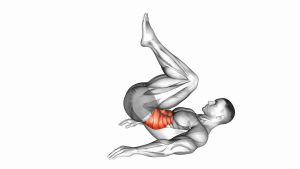
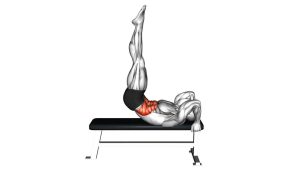
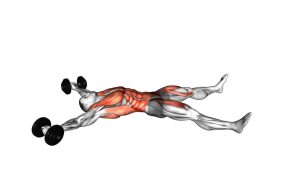
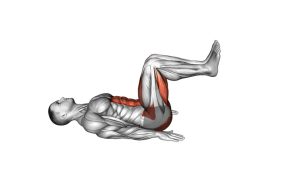
This exercise is especially useful when you want a simple core drill that teaches controlled leg movement. In the video, the body stays flat on the floor while one leg remains vertical and the other leg lowers toward the floor before returning upward. Therefore, the exercise demands abdominal bracing, hip-flexor control, and smooth movement rather than momentum.
For best results, keep each repetition slow and clean. Also, avoid rushing the lowering phase because that is where the core has to work hardest to control the pelvis and keep the lower back stable.
Quick Overview
| Body Part | Core |
|---|---|
| Primary Muscle | Lower abdominals and hip flexors |
| Secondary Muscle | Rectus abdominis, transverse abdominis, quadriceps, and pelvic stabilizers |
| Equipment | No equipment required; optional exercise mat |
| Difficulty | Beginner to intermediate, depending on range of motion and tempo |
Sets & Reps (By Goal)
- Core control: 2–3 sets × 8–12 reps per side with a slow, steady tempo.
- Beginner strength: 2 sets × 6–10 reps per side with a shorter lowering range.
- Muscle endurance: 3–4 sets × 12–16 reps per side while keeping the torso still.
- Warm-up activation: 1–2 sets × 6–8 reps per side before lower-body or core training.
Progression rule: First increase control and range of motion. Then, add more reps only if your lower back stays stable and your movement remains smooth.
Setup / Starting Position
- Lie on your back: Position your body flat on the floor or on an exercise mat.
- Place your arms down: Keep your arms beside your body to help maintain balance and stability.
- Raise both legs: Start with both legs extended upward, roughly vertical above the hips.
- Brace your core: Gently tighten your abs before moving the leg.
- Keep the head relaxed: Let your head and upper back stay down unless you are using a specific advanced variation.
Setup tip: If your hamstrings feel tight, allow a slight bend in the knee. However, keep the movement controlled and avoid swinging.
Execution (Step-by-Step)
- Start tall with both legs: Begin with both legs raised and extended above your hips.
- Keep one leg vertical: Hold one leg steady in the raised position while the other leg prepares to move.
- Lower one leg slowly: Move the working leg downward toward the floor with control.
- Stop before losing control: Pause before the lower back arches or the heel touches down.
- Lift the leg back up: Raise the working leg back to the starting position without bouncing.
- Repeat smoothly: Complete all reps with the same controlled path and steady torso position.
Pro Tips & Common Mistakes
- Move slowly: A controlled lowering phase makes the exercise more effective and safer.
- Avoid back arching: Stop the leg higher if your lower back lifts away from the floor.
- Do not swing: Momentum reduces core tension and makes the movement less useful.
- Keep the raised leg steady: The stationary leg should not drift or shake excessively.
- Breathe with control: Exhale as the leg lifts and breathe steadily during the lowering phase.
- Use a smaller range when needed: Quality matters more than how close the leg gets to the floor.
FAQ
What muscles does the lying single-leg raise work?
The exercise mainly works the lower abdominals and hip flexors. Additionally, the quadriceps and deep core muscles assist by keeping the legs straight and the pelvis stable.
Is the lying single-leg raise good for beginners?
Yes, it can be beginner-friendly when performed with a short range of motion. However, beginners should focus on keeping the lower back stable before lowering the leg close to the floor.
Should my lower back stay flat during this exercise?
Your lower back should stay controlled and stable. If it arches strongly as the leg lowers, reduce the range of motion and move more slowly.
How low should I lower my leg?
Lower your leg only as far as you can while keeping control. For some people, that may be halfway down. For others, it may be just above the floor.
Can I alternate legs?
Yes, you can alternate legs after each rep. However, the video shows one leg lowering while the other leg stays vertical, so keep that same stable pattern if you want to match the demonstrated version.
Recommended Equipment
- Exercise Mat — provides comfort and support while lying on the floor.
- Thick Yoga Mat — useful if you need extra cushioning for your back and hips.
- Adjustable Ankle Weights — optional progression once bodyweight reps feel easy and controlled.
- Pilates Ring — can help add light inner-thigh engagement during core work variations.
- Core Sliders — useful for related core stability exercises and progression drills.
Tip: Start with only a mat. Then, add resistance or accessories later when your control, breathing, and lower-back position stay consistent.