Negative Dragon Flag: Proper Form, Core Benefits, Sets, Tips & FAQ
Learn the Negative Dragon Flag for elite core strength, strict body control, and powerful abs with setup, step-by-step form, tips, FAQs, and gear.
Negative Dragon Flag
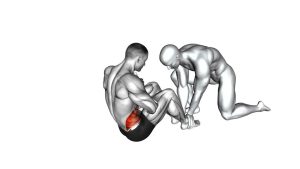
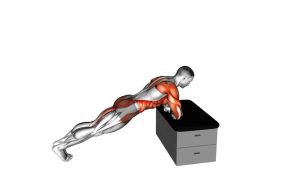
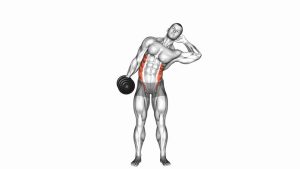
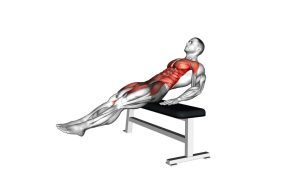
This exercise demands strict control from the shoulders to the feet. Therefore, the goal is not to drop quickly or swing the legs. Instead, the lifter starts from a raised dragon flag position, keeps the legs straight, braces the core hard, and lowers the body with steady tension. As a result, the abs must work intensely to prevent the hips from collapsing or the lower back from arching.
Quick Overview
| Body Part | Abs |
|---|---|
| Primary Muscle | Rectus abdominis |
| Secondary Muscle | Obliques, transverse abdominis, hip flexors, lats, and shoulder stabilizers |
| Equipment | Flat bench or sturdy exercise bench |
| Difficulty | Advanced |
Sets & Reps (By Goal)
- Strength control: 3–5 sets × 2–5 slow negatives, resting 90–150 seconds between sets.
- Core endurance: 2–4 sets × 4–6 controlled negatives, using a shorter range if form breaks.
- Skill progression: 3–6 sets × 1–3 high-quality reps, focusing on clean body alignment.
- Regression practice: 2–4 sets × 3–6 bent-knee or partial-range negatives.
Progression rule: First increase control and lowering time. After that, increase range. Finally, progress toward a straighter and slower full negative.
Setup / Starting Position
- Lie on a flat bench: Position your body lengthwise on the bench with your head near the top end.
- Grip the bench overhead: Hold the bench firmly behind or beside your head so your arms can anchor your upper body.
- Brace your core: Tighten your abs before the body lifts so your ribs do not flare upward.
- Raise into position: Lift your legs and hips until your body reaches a near-vertical dragon flag position.
- Stack the body line: Keep your legs together, knees straight, hips extended, and torso rigid before starting the negative.
In the uploaded video, the model keeps the legs straight and uses the hands as an anchor while the upper back and shoulders act as the main support point.
Execution (Step-by-Step)
- Start tall: Begin from the raised position with your legs together and your body nearly vertical.
- Lock in your brace: Pull your ribs down, squeeze your glutes lightly, and keep the body stiff from shoulders to feet.
- Begin the negative: Lower your body slowly as one unit while keeping your legs straight.
- Control the hips: Do not allow the hips to fold early or drop faster than the legs.
- Keep tension through the bench: Maintain a strong overhead grip without pulling aggressively through the neck.
- Stop before form breaks: End the rep when your lower back wants to arch or your body can no longer stay rigid.
- Reset with control: Return safely to the top position or rest before starting the next repetition.
Pro Tips & Common Mistakes
- Move slowly: The benefit comes from the eccentric lowering phase, so avoid rushing the descent.
- Keep one straight line: Your shoulders, hips, knees, and ankles should lower together as much as possible.
- Avoid hip folding: If your hips bend sharply, regress to a bent-knee version.
- Do not relax at the bottom: Stay braced until the repetition is fully complete.
- Protect your lower back: Stop the rep before your lumbar spine arches away from control.
- Use the grip for stability: Your hands anchor the movement, but your abs should control the lowering.
- Train quality over quantity: Two clean negatives are better than six uncontrolled drops.
- Progress gradually: Start with partial negatives, then increase range as your strength improves.
FAQ
What muscles does the Negative Dragon Flag work?
The Negative Dragon Flag mainly works the rectus abdominis. In addition, the obliques, transverse abdominis, hip flexors, lats, and shoulder stabilizers help maintain a rigid body line.
Is the Negative Dragon Flag beginner-friendly?
No. This is an advanced core exercise. Beginners should first master hollow body holds, reverse crunches, lying leg raises, and easier dragon flag progressions before attempting full negatives.
Why is the negative phase important?
The negative phase forces your abs to resist gravity while your body lowers. As a result, it builds eccentric core strength and improves control for the full dragon flag.
Should my lower back touch the bench during the movement?
During the raised and lowering phases, the body is supported mainly through the upper back and shoulders. However, you should stop the rep before your lower back arches uncontrollably or your hips collapse.
How slow should I lower during a Negative Dragon Flag?
Aim for a slow 3–6 second descent. However, if you cannot maintain a straight body line, use a shorter range or bend your knees slightly until your control improves.
Recommended Equipment
- Flat Weight Bench — provides the stable base needed for dragon flag training.
- Adjustable Workout Bench — useful for core training, strength workouts, and modified progressions.
- Thick Exercise Mat — helpful for warm-ups, hollow holds, and dragon flag regressions on the floor.
- Resistance Bands Set — can assist core progressions and make dragon flag training more manageable.
- Ab Wheel Roller — builds anti-extension strength that supports advanced core control.
Tip: Choose a bench that does not slide or wobble. Stability is essential because the Negative Dragon Flag requires strong anchoring and precise body control.