Decline Leg Hip Raise: Proper Form, Lower Abs Tips & FAQ
Learn the Decline Leg Hip Raise to target lower abs with controlled hip lift form, sets, setup, mistakes, FAQs, and equipment tips.
Decline Leg Hip Raise
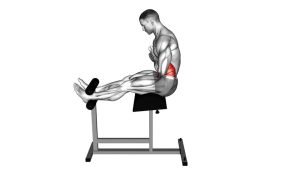
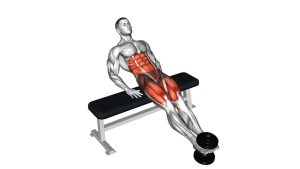
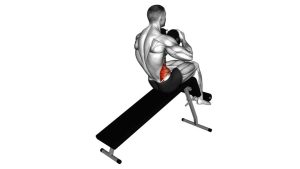
This movement works best when every repetition stays slow, smooth, and deliberate. Because the bench is declined, the abs must resist gravity during the lowering phase. Therefore, the exercise becomes more demanding than a flat floor reverse crunch. Keep your hands gripping the bench support, keep your legs together, and let the lower abs create the hip raise instead of using momentum.
Quick Overview
| Body Part | Abs |
|---|---|
| Primary Muscle | Rectus abdominis, especially lower abdominal emphasis |
| Secondary Muscle | Hip flexors, obliques, deep core stabilizers |
| Equipment | Decline bench |
| Difficulty | Intermediate because the decline angle increases core demand |
Sets & Reps (By Goal)
- Core control: 2–3 sets × 8–10 slow reps with a brief pause at the top.
- Lower ab strength: 3–4 sets × 10–15 reps using controlled hip lift form.
- Muscle endurance: 2–4 sets × 15–20 reps, only if the lower back stays stable.
- Beginner progression: 2–3 sets × 6–8 reps with bent knees and a smaller range.
Progression rule: First improve control and top-position hip lift. After that, add reps or increase the decline angle gradually.
Setup / Starting Position
- Lie back on the decline bench: Position your head higher than your hips and keep your body centered on the pad.
- Grip the bench support: Hold the handles or top support behind your head to stabilize your upper body.
- Extend your legs: Keep your legs together and slightly elevated from the bench.
- Brace your core: Pull your ribs down gently and avoid relaxing your lower back into a hard arch.
- Start with control: Keep the movement quiet before beginning the first rep.
If the full version feels too difficult, bend your knees more and reduce the distance your legs travel.
Execution (Step-by-Step)
- Begin from the extended position: Keep your legs together and your core tight.
- Raise the legs upward: Lift your legs toward your torso while keeping the motion controlled.
- Bend the knees naturally: Allow a slight knee bend as the thighs move closer to the chest.
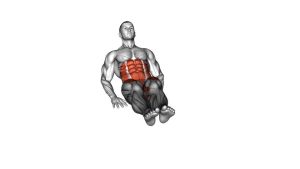
- Curl the hips off the bench: At the top, lift the pelvis by contracting the lower abs.
- Pause briefly: Hold the top position without swinging or kicking.
- Lower slowly: Return the hips to the bench first, then extend the legs back down with control.
- Keep tension: Stop before your legs fully relax or your lower back loses position.
Pro Tips & Common Mistakes
- Lead with the pelvis: Think about rolling your hips toward your ribs at the top.
- Avoid swinging: Momentum reduces abdominal tension and makes the movement less effective.
- Control the descent: The lowering phase is where many reps lose quality, so move slowly.
- Do not over-arch: Keep your lower back from aggressively lifting during the bottom position.
- Use your hands for stability only: Do not pull your body upward with your arms.
- Shorten the range if needed: Clean reps are more valuable than forcing a low bottom position.
FAQ
What muscles does the Decline Leg Hip Raise work?
It mainly targets the abs, especially the lower portion of the rectus abdominis during the hip lift. In addition, the hip flexors and deep core stabilizers assist during the leg raise and lowering phases.
Is the Decline Leg Hip Raise the same as a decline leg raise?
Not exactly. A decline leg raise focuses mostly on lifting and lowering the legs. However, the Decline Leg Hip Raise adds a pelvic curl at the top, which increases abdominal contraction.
Should my hips come off the bench?
Yes. The hip lift is the main feature of this exercise. Still, the lift should be controlled and created by the abs, not by kicking the legs or jerking the body.
Why do I feel this in my hip flexors?
Some hip flexor involvement is normal because the legs are moving. However, if the hip flexors dominate, bend your knees, slow down, and focus more on curling the pelvis upward.
Is this exercise beginner-friendly?
It can be challenging for beginners because the decline angle increases resistance. Therefore, start with bent knees, fewer reps, or a smaller range before progressing.
Recommended Equipment
- Adjustable Decline Bench — essential for performing the exercise with the correct decline angle.
- Ab Bench with Leg Holder — useful for added stability during decline core training.
- Thick Exercise Mat — helpful for floor-based progressions and warm-up core drills.
- Adjustable Ankle Weights — optional progression tool for advanced users with excellent control.
- Core Sliders — useful for complementary lower-ab and anti-extension core exercises.
Tip: Add load only after you can perform every rep without swinging, lower-back strain, or loss of hip control.