Side Plank Knee Tuck: Form, Benefits, Sets, Tips & FAQ
Learn the Side Plank Knee Tuck to strengthen obliques, core stability, and hip control with step-by-step form, sets, tips, FAQs, and gear.
Side Plank Knee Tuck
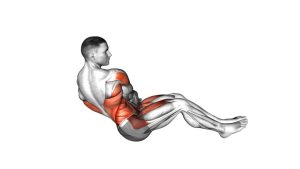
This exercise works best when the side plank stays strong from start to finish. Therefore, the goal is not just to move the knee. Instead, the goal is to keep the lower elbow stable, the hips elevated, and the torso controlled while the top leg tucks in and extends back. Because the movement adds rotation and balance demand, it trains the obliques more dynamically than a basic side plank.
Quick Overview
| Body Part | Core |
|---|---|
| Primary Muscle | Obliques |
| Secondary Muscle | Rectus abdominis, transverse abdominis, glutes, hip flexors, shoulders |
| Equipment | Bodyweight only; optional exercise mat |
| Difficulty | Intermediate |
Sets & Reps (By Goal)
- Core control: 2–3 sets × 6–10 reps per side, using a slow and steady tempo.
- Oblique strength: 3–4 sets × 8–12 reps per side, resting 45–75 seconds between sides.
- Conditioning finisher: 2–3 rounds × 20–30 seconds per side, keeping clean form the entire time.
- Beginner progression: 2 sets × 5–8 reps per side, with the bottom knee bent for support if needed.
Progression rule: First improve control and hip height. After that, add reps, longer sets, or a slower return phase.
Setup / Starting Position
- Lie on your side: Place your lower elbow under your shoulder so the forearm is firmly planted.
- Stack your body: Extend both legs and stack the feet, or slightly stagger them if you need more balance.
- Lift the hips: Press through the forearm and feet until your body forms a straight line from head to heels.
- Set the top arm: Reach the top arm overhead or keep it positioned where it helps you control the tuck.
- Brace before moving: Tighten the core lightly, keep the neck neutral, and avoid letting the shoulder shrug toward the ear.
Execution (Step-by-Step)
- Hold the side plank: Start with the hips lifted and the body aligned in one strong line.
- Drive the top knee inward: Bend the top knee and bring it toward the torso in a controlled tuck.
- Crunch slightly through the side: Let the upper body move toward the knee without collapsing the shoulder or dropping the hips.
- Pause briefly: Squeeze the obliques at the closest point of the tuck.
- Extend back out: Return the top leg to the starting position while keeping the side plank stable.
- Repeat smoothly: Continue for the target reps, then switch sides and match the same control.
Pro Tips & Common Mistakes
- Keep the elbow under the shoulder: This helps protect the shoulder and improves balance.
- Do not rush the knee tuck: Momentum reduces oblique tension and makes the movement sloppy.
- Avoid hip sagging: Dropping the hips shifts stress away from the core and into the lower back.
- Control the return: The extension phase matters because the obliques must resist rotation and gravity.
- Keep the neck neutral: Look forward or slightly ahead instead of dropping the head toward the floor.
- Use a smaller range if needed: A clean short tuck is better than a large rep with poor alignment.
- Train both sides evenly: Since this is a unilateral core exercise, match reps and control on both sides.
FAQ
What muscles does the Side Plank Knee Tuck work?
It mainly works the obliques. However, it also trains the rectus abdominis, transverse abdominis, glutes, hip flexors, and shoulder stabilizers.
Is the Side Plank Knee Tuck good for obliques?
Yes. Because the body must hold a side plank while the top knee tucks inward, the obliques work hard to flex, stabilize, and resist unwanted rotation.
Why do my hips drop during the exercise?
Usually, the hips drop because the core and glutes lose tension or the variation is too difficult. To fix this, shorten the range, slow down, or perform the exercise with the bottom knee supported.
Can beginners do this exercise?
Beginners can do a modified version. Start with a basic side plank or a bent-knee side plank first. Then, add the knee tuck once you can keep the hips lifted and stable.
How many reps should I do per side?
Most people can start with 6–10 controlled reps per side. After that, increase gradually as long as the hips stay high and the shoulder remains comfortable.
Recommended Equipment
- Exercise Mat — provides forearm comfort and better floor grip during side plank work
- Thick Yoga Mat — useful if your elbow or forearm feels uncomfortable on hard floors
- Core Sliders — helpful for advanced plank and knee-tuck variations
- Resistance Loop Bands — useful for glute activation and side-plank progression work
- Non-Slip Workout Mat — improves stability when the floor surface is smooth or slippery
Tip: For this exercise, comfort and stability matter more than extra equipment. Start with a reliable mat before adding progressions.