EZ Bar Legs Side Pull-In Sit-Up: Core Form, Oblique Tips & Sets
Build stronger abs and obliques with the EZ Bar Legs Side Pull-In Sit-Up. Learn proper form, setup, reps, mistakes, FAQs, and gear.
EZ Bar Legs Side Pull-In Sit-Up
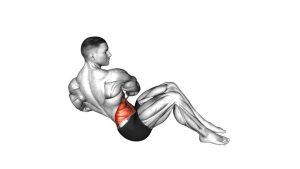
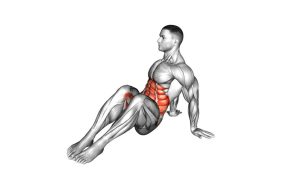
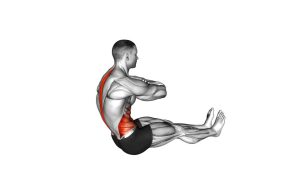
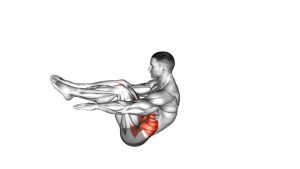
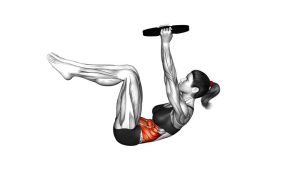
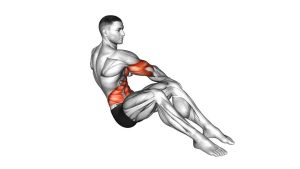
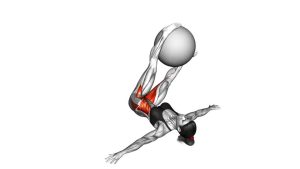
This movement is best performed with slow control rather than speed. First, the body holds a seated V-sit-style position. Then, the knees pull toward the torso while the EZ bar moves toward one side. As a result, the exercise targets the abs, obliques, hip flexors, and deep stabilizers at the same time.
In addition, the exercise trains coordination because the upper body and lower body must move together. However, the lower back should not collapse heavily into the floor. Therefore, keep the chest lifted, the core braced, and the movement compact.
Quick Overview
| Body Part | Core |
|---|---|
| Primary Muscle | Rectus abdominis and obliques |
| Secondary Muscle | Hip flexors, transverse abdominis, lower-back stabilizers, and shoulders |
| Equipment | EZ bar, exercise mat |
| Difficulty | Advanced because it requires balance, rotation, and weighted core control |
Sets & Reps (By Goal)
- Core control: 2–3 sets × 6–8 reps per side with a slow tempo.
- Oblique strength: 3–4 sets × 8–10 reps per side using a light-to-moderate EZ bar.
- Muscular endurance: 2–3 sets × 10–14 total reps while keeping the feet elevated.
- Advanced finisher: 2 sets × 30–40 seconds with strict form and steady breathing.
Progression rule: Add control before adding weight. Increase reps first, then increase the bar load only when your torso rotation stays stable and your lower back stays comfortable.
Setup / Starting Position
- Sit on the floor: Place your hips on an exercise mat and hold the EZ bar with both hands.
- Lean back slightly: Keep your torso reclined enough to engage the abs, but avoid collapsing your spine.
- Lift your feet: Bend the knees and raise both feet off the floor to create a balanced seated position.
- Hold the bar in front: Keep the EZ bar close enough to control it without pulling the shoulders forward.
- Brace before moving: Tighten your core, keep your chest active, and prepare to rotate from the torso.
Start with a very light EZ bar if you are new to this variation. The goal is controlled rotation, not heavy loading.
Execution (Step-by-Step)
- Begin in balance: Hold the seated position with your knees bent, feet lifted, and EZ bar in front of your torso.
- Rotate to one side: Turn your torso slightly while guiding the EZ bar toward the outside of one hip.
- Pull the knees in: At the same time, draw your knees toward your chest to create a compact crunch.
- Squeeze the side: Pause briefly when the bar and legs move closest together on that side.
- Return under control: Extend the legs slightly and bring the bar back toward the center without dropping the feet.
- Repeat to the other side: Rotate smoothly in the opposite direction and keep the motion even from side to side.
Pro Tips & Common Mistakes
Pro Tips
- Move the torso with the bar: Let the core rotate the body instead of dragging the bar with only your arms.
- Keep the feet elevated: This maintains continuous abdominal tension throughout the set.
- Use a compact pull-in: Pull the knees in with control rather than kicking the legs forward aggressively.
- Breathe steadily: Exhale as you pull in and rotate; inhale as you return to center.
- Stay tall through the chest: A slightly lifted chest helps prevent the lower back from rounding excessively.
Common Mistakes
- Swinging the EZ bar: Momentum reduces core tension and makes the movement less effective.
- Dropping the feet: Touching down between reps removes the balance challenge.
- Rounding too much: Excessive spinal collapse can shift stress into the lower back.
- Using too much weight: A heavy bar can overpower the abs and turn the drill into an arm swing.
- Rushing the rotation: Fast twisting can reduce control and increase discomfort.
FAQ
What muscles does the EZ Bar Legs Side Pull-In Sit-Up work?
It mainly works the abs and obliques. Additionally, the hip flexors help lift and pull the legs, while the deeper core muscles stabilize the pelvis and lower back.
Is this exercise beginner-friendly?
No. This is better for intermediate to advanced trainees because it combines balance, rotation, knee pull-ins, and external loading. Beginners should first master seated knee tucks and Russian twists.
Should I use a heavy EZ bar?
No. A light EZ bar is usually enough. Since the exercise depends on control, a heavy bar may cause swinging, poor posture, or lower-back strain.
Can I do this without an EZ bar?
Yes. You can perform the same rotational pull-in pattern with bodyweight, a light medicine ball, or a small weight plate. However, the bar gives a longer hand position and changes the balance demand.
Why do my hip flexors feel this exercise?
Your hip flexors help keep the legs lifted and pull the knees inward. However, your abs should still control the crunch and rotation. If the hip flexors dominate, reduce reps and bring the torso more upright.
Recommended Equipment
- EZ Curl Bar — the main tool used for the weighted rotational pull-in pattern.
- Thick Exercise Mat — supports the hips and tailbone during seated core work.
- Light Weight Plates — allows gradual loading without overpowering your core control.
- Medicine Ball — useful for an alternative rotational core variation.
- Core Sliders — helpful for training controlled knee tucks and core stability progressions.
Tip: Choose equipment that lets you control the full range of motion. If the tool makes you swing, reduce the load or use a simpler variation.