Weighted Decline Twist Sit-Up: Core Form, Oblique Tips & Sets
Learn the Weighted Decline Twist Sit-Up for abs and obliques with proper form, sets, setup, common mistakes, FAQs, and equipment tips.
Weighted Decline Twist Sit-Up
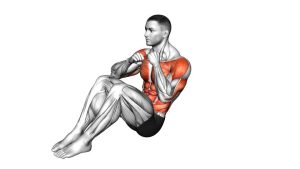
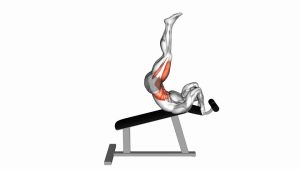
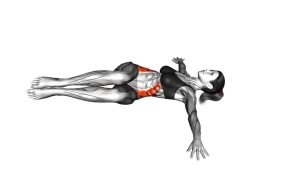
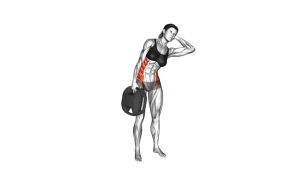
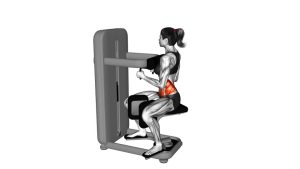
This exercise works best when the weight stays close to the chest and the rotation comes from the torso. During the video, the movement begins from a fully lowered decline position, continues into a sit-up, adds a twist near the top, and finishes with a controlled return. Therefore, each rep should feel like a strong abdominal contraction followed by a deliberate oblique squeeze.
Quick Overview
| Body Part | Core |
|---|---|
| Primary Muscle | Rectus abdominis |
| Secondary Muscle | Obliques, hip flexors, deep core stabilizers |
| Equipment | Decline bench and weight plate |
| Difficulty | Intermediate to advanced |
Sets & Reps (By Goal)
- Core strength: 3–4 sets × 6–10 reps per side with a controlled tempo.
- Oblique emphasis: 3 sets × 8–12 reps per side, pausing briefly at the top twist.
- Muscle endurance: 2–3 sets × 12–15 total reps using a lighter plate.
- Technique practice: 2 sets × 6–8 reps without heavy loading.
Progression rule: First improve control and range. Then, gradually increase weight only when you can sit up, twist, and lower without swinging.
Setup / Starting Position
- Set the decline bench: Choose a decline angle you can control without pulling through your neck or lower back.
- Secure your feet: Place both feet under the bench pads so your lower body stays stable during the sit-up.
- Hold the weight plate: Keep the plate close to your chest with both hands instead of extending it far away.
- Lie back fully: Start with your torso lowered on the bench and your spine controlled.
- Brace your core: Before moving, tighten your abs slightly and keep your ribs from flaring upward.
Start lighter than expected. Since the decline angle already increases difficulty, even a small plate can feel challenging when the twist is performed correctly.
Execution (Step-by-Step)
- Begin from the bottom: Lie back on the decline bench with the weight plate held close to your chest.
- Curl upward: Use your abs to lift your torso from the bench. Avoid throwing your shoulders forward.
- Reach the upper position: As your torso comes up, keep the plate steady and close to your body.
- Add the twist: Near the top, rotate your torso to one side while keeping the movement controlled.
- Squeeze briefly: Pause for a moment to feel the obliques working on the rotated side.
- Return to center: Rotate back toward neutral before lowering your torso.
- Lower with control: Slowly return to the bench without dropping your body or relaxing completely.
- Repeat to the other side: Alternate sides or complete the planned reps on one side before switching.
Pro Tips & Common Mistakes
- Keep the plate close: Holding the weight near your chest makes the movement safer and easier to control.
- Twist near the top: Do not rotate aggressively from the bottom position, because that can stress the lower back.
- Control the lowering phase: The descent should be smooth instead of a fast drop back to the bench.
- Avoid neck pulling: Keep your hands on the plate and let your abs lift the torso.
- Do not rush reps: A slower tempo builds better tension through the abs and obliques.
- Use a manageable decline: A steep bench can make the exercise too difficult before your core is ready.
- Brace before rotating: Keep the ribs controlled so the twist feels strong rather than loose.
- Stop before form breaks: If you start swinging, shorten the set or reduce the weight.
FAQ
What muscles does the Weighted Decline Twist Sit-Up work?
It mainly works the rectus abdominis, which helps lift the torso during the sit-up. Additionally, the twisting portion targets the obliques, while the hip flexors and deep core muscles assist with control.
Should I use a heavy weight plate?
Not at first. Because the decline angle already makes the sit-up harder, you should begin with a light plate or bodyweight. After that, increase load only when your rotation and lowering phase stay controlled.
Is the twist done during the whole sit-up?
No. Based on the visible movement, the sit-up begins mostly straight, and the twist is added near the top. This timing helps you lift with the abs first and then emphasize the obliques through rotation.
Can beginners do this exercise?
Most beginners should first master regular sit-ups, decline sit-ups, and controlled bodyweight twisting movements. Then, they can add a light plate once they can move without momentum.
Why does my lower back feel this exercise?
Lower-back discomfort may happen if the weight is too heavy, the decline is too steep, or the torso drops too quickly. Therefore, reduce the load, lower the bench angle, and focus on bracing before each rep.
Should I alternate sides every rep?
You can alternate sides for balanced core work. However, you can also complete all reps on one side before switching if your goal is stronger oblique focus and better side-specific control.
Recommended Equipment
- Adjustable Decline Bench — supports decline sit-ups, twist sit-ups, and other core exercises.
- Weight Plate — adds resistance while staying easy to hold close to the chest.
- Rubber-Coated Weight Plates — provides a more comfortable grip and protects floors during home workouts.
- Ab Mat — useful for building basic sit-up strength before progressing to decline work.
- Thick Exercise Mat — helpful for warm-ups, mobility drills, and floor-based core training.
Tip: Equipment should help you control the exercise, not make it harder too soon. Choose a stable bench and a weight plate you can hold securely throughout every rep.