Dumbbell Decline Overhead Sit-Up: Form, Benefits, Sets & Tips
Learn the dumbbell decline overhead sit-up for stronger abs, better core control, safe setup, step-by-step form, common mistakes, FAQs, and gear.
Dumbbell Decline Overhead Sit-Up
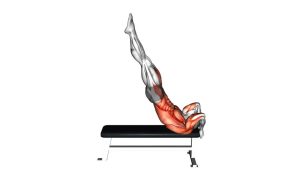
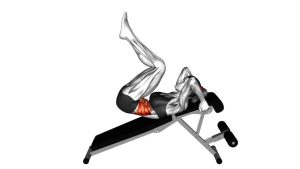
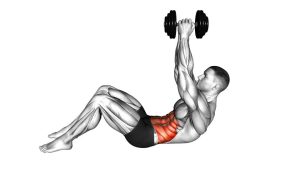
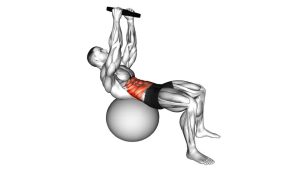
This exercise works best when the abs control the lift instead of momentum. Start with light dumbbells, keep your feet secured under the decline bench pads, and raise your torso while guiding the dumbbells from above the chest toward an overhead position. Then, lower with control and return the dumbbells back over the chest. As a result, the exercise trains both strong abdominal flexion and full-body coordination.
Quick Overview
| Body Part | Core |
|---|---|
| Primary Muscle | Rectus abdominis |
| Secondary Muscle | Hip flexors, obliques, anterior deltoids, serratus anterior, deep core stabilizers |
| Equipment | Decline bench and two dumbbells |
| Difficulty | Advanced because the decline angle and overhead dumbbells increase leverage and control demands |
Sets & Reps (By Goal)
- Core strength: 3–4 sets × 6–10 reps with controlled tempo and moderate dumbbells
- Muscle endurance: 2–3 sets × 10–15 reps with lighter dumbbells and steady breathing
- Ab hypertrophy: 3–5 sets × 8–12 reps with a slow eccentric and strong top position
- Skill practice: 2–3 sets × 5–8 reps using very light dumbbells to master coordination
Progression rule: First improve control, range, and tempo. After that, increase dumbbell weight gradually. Do not progress weight if you need to swing the arms or drop quickly into the bottom.
Setup / Starting Position
- Set the bench: Use a decline bench angle you can control without sliding or arching.
- Secure your legs: Place your feet and lower legs firmly under the bench pads.
- Choose light dumbbells: Begin conservatively because the overhead lever makes the exercise harder.
- Lie back fully: Start with your torso supported by the bench and your arms extended above the chest.
- Brace your core: Pull the ribs down slightly and prepare to curl upward without jerking.
- Keep your neck neutral: Look forward naturally as you rise, rather than pulling the chin hard into the chest.
Setup matters because the decline angle already increases difficulty. Therefore, the dumbbells should feel manageable before the first repetition begins.
Execution (Step-by-Step)
- Start from the bottom: Lie on the decline bench with both dumbbells held above your chest and arms extended.
- Begin the sit-up: Brace your abs, then curl your shoulders and upper back away from the bench.
- Raise the torso: Continue sitting up while keeping the dumbbells controlled and your elbows mostly straight.
- Move into the overhead finish: As you reach the top, guide the dumbbells overhead with control.
- Pause briefly: Finish tall with your torso upright, arms extended overhead, and abs tight.
- Lower slowly: Reverse the movement by leaning back under control while keeping tension through your core.
- Return the weights: Bring the dumbbells back over the chest as your upper back returns to the bench.
- Reset before repeating: Regain control at the bottom, then start the next rep without bouncing.
Pro Tips & Common Mistakes
Pro Tips
- Use light dumbbells first: The overhead position makes even small weights feel challenging.
- Control the descent: The lowering phase builds strength and protects your lower back.
- Keep the ribs down: This helps prevent excessive lumbar arching at the bottom.
- Reach overhead with control: The arms should move smoothly, not whip backward.
- Exhale as you rise: This improves abdominal bracing during the hardest part of the rep.
Common Mistakes
- Using too much weight: Heavy dumbbells often cause swinging, shoulder stress, or poor control.
- Dropping into the bench: A fast descent removes tension and can irritate the lower back.
- Pulling with the neck: The abs should lift the torso, while the neck stays neutral.
- Overarching at the bottom: Keep the core engaged so the lower back does not collapse into extension.
- Letting the shoulders shrug: Keep the shoulders active but not jammed toward the ears.
- Rushing reps: This movement rewards precision, not speed.
FAQ
What muscles does the dumbbell decline overhead sit-up work?
It mainly works the rectus abdominis. However, it also involves the hip flexors, obliques, anterior deltoids, serratus anterior, and deep core stabilizers because the dumbbells must stay controlled during the overhead movement.
Is the dumbbell decline overhead sit-up beginner-friendly?
No. This is usually better for intermediate to advanced trainees. Beginners should first master regular sit-ups, decline sit-ups, and light weighted sit-ups before adding the overhead dumbbell position.
How heavy should the dumbbells be?
Start very light. In many cases, a pair of light dumbbells is enough because the long arm position increases leverage. Choose a weight that allows smooth reps without swinging or shoulder strain.
Should my arms stay straight during the exercise?
The video shows the arms staying mostly straight. Therefore, aim to keep a strong extended-arm position. Still, a small natural elbow softness is acceptable if it helps you control the dumbbells safely.
Why is this harder than a normal decline sit-up?
The dumbbells add external load, while the overhead position lengthens the resistance lever. As a result, your abs must work harder to lift and lower the torso without losing control.
Can this exercise hurt my lower back?
It can stress the lower back if you use too much weight, drop quickly, or overarch at the bottom. For that reason, keep the movement controlled, brace your abs, and reduce the decline angle if needed.
Recommended Equipment
- Adjustable Decline Bench — provides the decline angle and leg support needed for controlled sit-ups
- Hex Dumbbell Set — useful for progressing weighted ab exercises safely
- Adjustable Dumbbells — space-saving option for small weight increases over time
- Exercise Mat — helpful for warm-ups, floor core work, and post-set stretching
- Weightlifting Gloves — can improve grip comfort when holding dumbbells overhead
Tip: Equipment should improve control, not add unnecessary risk. Choose dumbbells you can move smoothly through the full sit-up and overhead range.