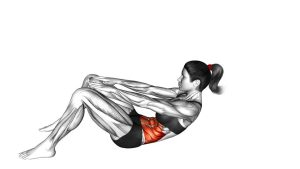
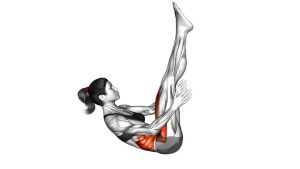
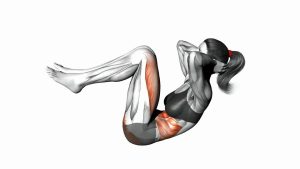
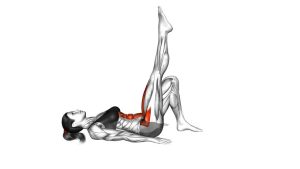
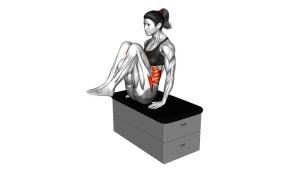
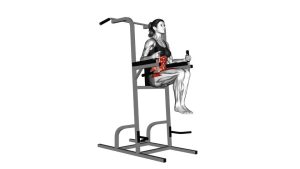
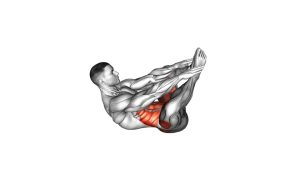
Lever Ab Coaster Crunch: Form, Muscles Worked, Sets, Tips & FAQ
Learn the Lever Ab Coaster Crunch for stronger abs, better core control, and safer machine-based crunch form with setup, reps, tips, FAQs, and gear.
Lever Ab Coaster Crunch
This exercise is useful for lifters who want a supported, repeatable crunch pattern with less balance demand than hanging knee raises. Because the machine guides the knee pad, the movement can help beginners learn how to contract the abs while keeping the upper body stable. For best results, keep the arms fixed, avoid jerking the pad, and focus on curling the pelvis toward the ribs.
Quick Overview
| Body Part | Core |
|---|---|
| Primary Muscle | Rectus abdominis |
| Secondary Muscle | Obliques, transverse abdominis, hip flexors |
| Equipment | Lever ab coaster machine / ab coaster crunch machine |
| Difficulty | Beginner to intermediate |
Sets & Reps (By Goal)
- Beginner core control: 2–3 sets × 8–12 reps with a slow return.
- Muscle growth / ab hypertrophy: 3–4 sets × 10–15 reps with a 1-second squeeze at the top.
- Core endurance: 2–4 sets × 15–20 controlled reps without swinging.
- Workout finisher: 2–3 sets × 12–18 reps after compound lifts or core training.
Progression rule: First improve control, pause quality, and eccentric speed. Add resistance only when every rep stays smooth and the lower back does not overarch at the bottom.
Setup / Starting Position
- Step onto the machine carefully: Place both knees on the padded knee carriage and keep your weight centered.
- Grip the handles: Hold the front handles firmly, but do not pull your body forward with your arms.
- Set your torso: Keep the upper body stable with a slight forward lean and relaxed shoulders.
- Brace lightly: Tighten your abs before the knee pad moves so the first motion comes from the core, not momentum.
- Start from control: Let the knees begin behind or slightly under the hips, depending on the machine design, without overextending the lower back.
The setup should feel stable and supported. If you feel unstable on the knee pad, adjust your knee position before starting the first rep.
Execution (Step-by-Step)
- Brace your abs: Exhale slightly and lock the ribs down before starting the crunch.
- Drive the knees forward and upward: Pull the knee pad along the track by contracting your abs.
- Tuck the pelvis: At the top, think about curling the tailbone under and bringing the pelvis toward the ribs.
- Squeeze briefly: Hold the top position for about 1 second without shrugging or pulling with the arms.
- Lower with control: Let the knee pad travel back slowly while keeping tension in the abs.
- Reset without relaxing completely: Return to the start position, keep the core engaged, and begin the next rep smoothly.
Pro Tips & Common Mistakes
- Use your abs, not your arms: The handles are for support. Pulling hard with the arms reduces abdominal focus.
- Control the bottom: Do not let the knee pad drop quickly. A slow eccentric keeps tension on the core.
- Focus on pelvic tuck: The top position should feel like the lower abs are curling the pelvis upward.
- Avoid excessive hip flexor dominance: If you only feel the front of the hips, shorten the range and squeeze the abs harder at the top.
- Do not overarch at the bottom: Keep the ribs controlled and avoid letting the lower back sag into extension.
- Pause at peak contraction: A brief hold improves mind-muscle connection and prevents rushed reps.
- Keep shoulders relaxed: Avoid shrugging or locking the neck while gripping the handles.
FAQ
What muscles does the Lever Ab Coaster Crunch work?
The main muscle is the rectus abdominis. The obliques and transverse abdominis assist with core stability, while the hip flexors help move the knees through the machine path.
Is the Lever Ab Coaster Crunch good for lower abs?
It can strongly target the lower-ab region because the movement emphasizes knee drive and pelvic tuck. However, the lower abs are part of the rectus abdominis, so the goal is to control the pelvis rather than isolate a separate muscle.
Should I use heavy resistance on this machine?
Start light or use bodyweight-only machine resistance. Add load only when you can control the top squeeze and lower the pad slowly without swinging.
Why do I feel this exercise in my hip flexors?
Some hip flexor involvement is normal. If the hips dominate, reduce speed, shorten the range, exhale during the crunch, and focus on curling the pelvis toward the ribs.
Can beginners do the Lever Ab Coaster Crunch?
Yes. The machine provides support and a fixed movement path, which can make it beginner-friendly. Beginners should focus on slow reps, light effort, and clean control.
Recommended Equipment
- Ab Coaster Machine — the main machine used for this guided crunch movement.
- Ab Crunch Machine — a useful alternative for machine-based abdominal training.
- Exercise Knee Pad — adds comfort for kneeling core exercises and machine setup practice.
- Weightlifting Gloves — improves grip comfort on machine handles during high-rep sets.
- Core Exercise Mat — useful for pairing this exercise with floor-based ab work such as planks and reverse crunches.
Choose equipment that supports controlled movement. For ab training, smooth reps and consistent tension are more important than heavy resistance.