Lying Leg Raise: Proper Form, Core Benefits, Sets, Tips & FAQ
Learn the Lying Leg Raise to strengthen abs, improve core control, and build lower-ab stability with safe form, sets, tips, FAQs, and gear.
Lying Leg Raise
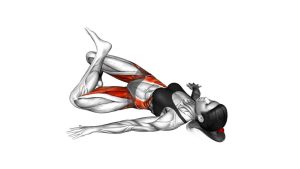
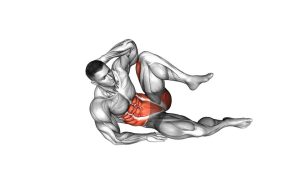
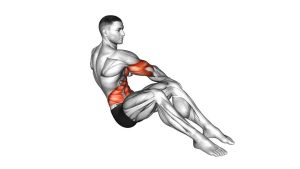
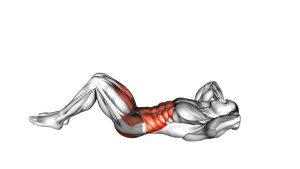
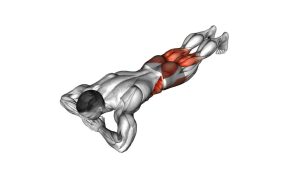
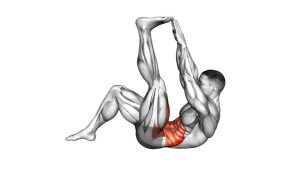
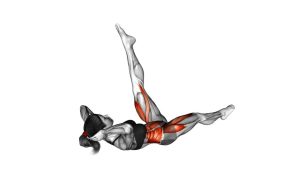
This exercise is especially useful for building lower-ab control, hip flexor coordination, and full-body tension awareness. However, the most important part of the Lying Leg Raise is the descent. As the legs lower toward the floor, the abs must work harder to prevent the lower back from arching. Because of that, clean form matters more than a large range of motion.
Quick Overview
| Body Part | Core |
|---|---|
| Primary Muscle | Rectus abdominis, especially the lower abdominal region |
| Secondary Muscle | Hip flexors, transverse abdominis, obliques, and deep core stabilizers |
| Equipment | No equipment required; optional exercise mat for comfort |
| Difficulty | Beginner to Intermediate, depending on leg angle and lower-back control |
Sets & Reps (By Goal)
- Beginner core control: 2–3 sets × 6–10 reps with a short range of motion
- Ab strength: 3–4 sets × 10–15 reps with slow, clean lowering
- Muscle endurance: 2–4 sets × 15–20 reps using steady breathing and strict control
- Core warm-up: 1–2 sets × 8–12 reps before lower-body or ab training
- Advanced tempo work: 3 sets × 6–10 reps with a 3–5 second lowering phase
Progression rule: First, improve control at the bottom of each rep. Then, increase reps. After that, lower the legs closer to the floor or slow the tempo. Do not progress by allowing the lower back to arch.
Setup / Starting Position
- Lie flat on your back: Position yourself on the floor with your legs extended and your body aligned straight.
- Place your arms beside your body: Keep your palms lightly pressing into the floor for balance and stability.
- Set your ribs and pelvis: Brace your core gently so your lower back does not excessively arch before the first rep.
- Keep your legs together: Extend both legs straight with a slight natural knee softness if needed.
- Relax your neck and shoulders: Keep your head down and avoid lifting the upper body during the movement.
If your lower back arches before you even begin, bend your knees slightly or reduce the lowering range. As a result, you will keep the exercise focused on controlled abdominal work instead of compensation.
Execution (Step-by-Step)
- Brace before moving: Take a controlled breath and tighten your core as if preparing for a small cough.
- Lift both legs together: Raise your legs smoothly from the floor while keeping them close together.
- Move without swinging: Continue lifting until your legs approach a vertical position above your hips.
- Pause briefly at the top: Keep control without lifting the hips aggressively off the floor.
- Lower slowly: Bring your legs down with control while keeping your ribs down and your lower back stable.
- Stop before form breaks: Hover near the floor or return to the start only if your back position stays controlled.
- Repeat with the same tempo: Start the next rep smoothly without bouncing your heels or rushing the movement.
Pro Tips & Common Mistakes
- Control the descent: Lowering slowly makes the abs work harder and reduces momentum.
- Do not arch the lower back: If your back lifts, shorten the range or bend your knees slightly.
- Avoid swinging the legs: Momentum reduces core tension and makes the exercise less effective.
- Keep the arms supportive, not dominant: Press lightly into the floor, but do not rely completely on the hands.
- Keep your head down: Lifting the head may create unnecessary neck tension.
- Use a smooth tempo: A 1–2 second lift and a 3–4 second lower works well for most people.
- Keep the legs together: This helps maintain symmetry and prevents the hips from shifting.
- Breathe with control: Exhale during the harder part of the movement, especially as the legs lower.
FAQ
What muscles do Lying Leg Raises work?
Lying Leg Raises mainly train the rectus abdominis, with strong support from the deep core and hip flexors. Additionally, the obliques help stabilize the pelvis so the legs move evenly.
Are Lying Leg Raises good for lower abs?
Yes. Although the abs work as one connected muscle group, Lying Leg Raises strongly challenge the lower portion of the abdominal wall because the legs create a long lever. For that reason, they are commonly used in lower-ab focused workouts.
Why does my lower back hurt during Lying Leg Raises?
Lower-back discomfort often happens when the legs lower too far and the core cannot hold the pelvis stable. Therefore, reduce the range of motion, bend your knees slightly, or stop each rep before the back arches.
Should my legs touch the floor between reps?
They can, but they do not have to. If touching the floor makes you relax completely or bounce into the next rep, hover slightly above the floor instead. However, if hovering causes back arching, use a shorter range.
Are Lying Leg Raises beginner-friendly?
They can be beginner-friendly when the range is controlled. Beginners should start with bent-knee raises, partial reps, or a higher stopping point before progressing to full straight-leg reps.
How can I make Lying Leg Raises harder?
Slow the lowering phase, pause near the bottom, keep the legs straighter, or hold a light object between the feet only after you can maintain excellent lower-back control.
Recommended Equipment (Optional)
- Exercise Mat — adds comfort for your spine, hips, and shoulders during floor-based core training
- Thick Non-Slip Yoga Mat — helps reduce sliding while supporting controlled leg raise reps
- Adjustable Ankle Weights — useful for advanced progression after strict bodyweight control is mastered
- Core Sliders — helpful for complementary ab exercises that build anti-extension strength
- Resistance Bands Set — useful for pairing leg raises with core activation drills and hip-flexor control work
Tip: Start with no equipment first. Then, add resistance only when every rep stays smooth and your lower back remains controlled throughout the full range.