Suspension Trainer Y Raise: Form, Benefits, Sets, Tips & FAQ
Learn the Suspension Trainer Y Raise to strengthen rear delts, lower traps, and shoulder stability with proper form, sets, tips, mistakes, and gear.
Suspension Trainer Y Raise
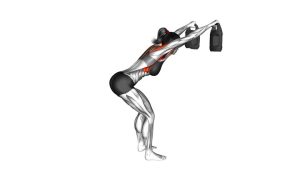
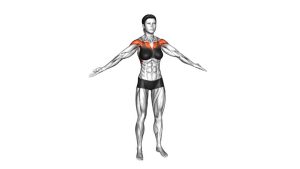
This movement works best when the body stays rigid and the arms move with precision. The goal is not to pull aggressively or use momentum. Instead, keep a slight bend in the elbows, raise the arms in a wide overhead angle, and focus on smooth shoulder-blade control. You should feel the upper back and rear shoulders working without shrugging the neck.
Quick Overview
| Body Part | Shoulders |
|---|---|
| Primary Muscle | Rear deltoids and lower trapezius |
| Secondary Muscle | Rhomboids, rotator cuff, mid traps, core stabilizers |
| Equipment | Suspension trainer / TRX-style straps |
| Difficulty | Intermediate |
Sets & Reps (By Goal)
- Shoulder stability: 2–3 sets × 8–12 reps with slow control
- Posture and upper-back activation: 2–4 sets × 10–15 reps using a lighter body angle
- Strength accessory work: 3–4 sets × 6–10 reps with a slightly deeper lean
- Warm-up / prehab: 1–2 sets × 8–12 reps before upper-body training
Progression rule: Walk your feet slightly farther forward to increase resistance. Walk your feet backward and stand more upright to make the movement easier.
Setup / Starting Position
- Anchor the straps: Secure the suspension trainer above chest height using a stable anchor point.
- Hold the handles: Grip both handles with arms extended in front of your shoulders.
- Set your body angle: Lean back slightly with your feet planted and body straight from head to heels.
- Brace your core: Keep your ribs down, glutes lightly engaged, and spine neutral.
- Relax your neck: Keep shoulders away from your ears and avoid shrugging before the first rep.
Tip: Beginners should start almost upright. The cleaner your shoulder motion, the more effective the exercise becomes.
Execution (Step-by-Step)
- Start tall and braced: Keep the body straight, arms extended, and straps under light tension.
- Begin the raise: Pull your arms upward and outward, creating a wide Y shape.
- Keep elbows soft: Maintain a slight bend without turning the movement into a row.
- Control the shoulder blades: Let the shoulder blades move naturally while avoiding excessive shrugging.
- Reach the top position: Finish with arms overhead in a strong Y position and chest open.
- Pause briefly: Hold the top for a moment while keeping tension in the upper back.
- Lower slowly: Return to the starting position with control and keep the straps tensioned.
Pro Tips & Common Mistakes
- Use a smooth tempo: Lift for 2 seconds, pause briefly, and lower for 2–3 seconds.
- Avoid shrugging: Keep the neck relaxed and prevent the upper traps from taking over.
- Do not overbend the elbows: Too much elbow flexion turns the exercise into a high row.
- Keep the ribs down: Avoid arching the lower back to fake more range of motion.
- Adjust the angle: Resistance should feel challenging but still allow clean Y-shaped reps.
- Move with control: Do not swing your body forward to help the raise.
- Think “wide and upward”: The handles should travel away from each other as they rise.
FAQ
What muscles does the Suspension Trainer Y Raise work?
It mainly targets the rear deltoids and lower trapezius. It also works the rhomboids, rotator cuff, mid traps, and core because your body must stay stable during the raise.
Is the Suspension Trainer Y Raise good for posture?
Yes. It strengthens the upper-back and shoulder-blade muscles that help support a better upright posture. It works especially well when paired with rows, face pulls, chest mobility, and controlled shoulder external rotation drills.
Is this exercise beginner-friendly?
It can be beginner-friendly if you use a very upright body angle. However, it becomes harder quickly as you lean back more, so beginners should focus on control before increasing resistance.
What is the difference between a suspension Y raise and a suspension row?
In a suspension row, the elbows bend and the handles move toward the torso. In a suspension Y raise, the arms stay longer and move upward into a Y shape. The Y raise is more focused on shoulder stability, rear delts, and lower traps.
Why do I feel this exercise in my neck?
Neck tension usually means you are shrugging, leaning too far back, or using too much resistance. Stand more upright, slow down, and focus on keeping your shoulders away from your ears.
Recommended Equipment
- Suspension Trainer — the main tool needed for Y raises, rows, presses, and full-body bodyweight training
- Suspension Trainer Door Anchor — useful for home workouts when you do not have a fixed overhead anchor
- Exercise Mat — provides grip and comfort for suspension training setup areas
- Resistance Bands Set — great for pairing with face pulls, pull-aparts, and shoulder activation drills
- Foam Roller — helpful for upper-back mobility work before shoulder and posture training
Tip: Choose a suspension trainer with strong straps, comfortable handles, and a secure anchor system. Stable equipment improves control and makes the movement safer.