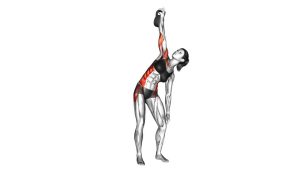
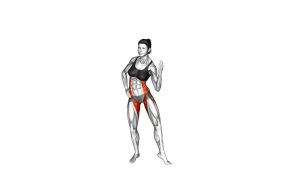
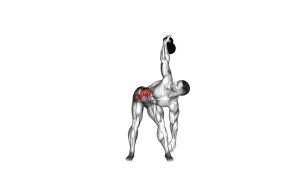
Kettlebell Suitcase Hold: Core Stability, Form, Sets & Tips
Learn the Kettlebell Suitcase Hold for stronger obliques, grip, posture, and anti-lateral core stability with setup, cues, mistakes, FAQs, and gear.
Kettlebell Suitcase Hold
The Kettlebell Suitcase Hold is useful for building real-world trunk strength because it teaches the core to stabilize the spine under an uneven load. It looks easy because there is no visible movement, but the body is working hard to keep the ribs, pelvis, shoulders, and hips stacked. This makes it a smart choice for athletes, lifters, beginners, and anyone who wants stronger posture, better bracing, and improved grip endurance.
Quick Overview
| Body Part | Core |
|---|---|
| Primary Muscle | Obliques and deep core stabilizers |
| Secondary Muscle | Quadratus lumborum, transverse abdominis, forearms, grip muscles, traps, shoulders, glutes |
| Equipment | Kettlebell |
| Difficulty | Beginner to intermediate depending on load and hold duration |
Sets & Reps (By Goal)
- Beginner core control: 2–3 sets × 15–25 seconds per side using a light kettlebell.
- Posture and anti-lateral stability: 3–4 sets × 25–40 seconds per side with clean alignment.
- Grip strength and trunk endurance: 3–5 sets × 30–60 seconds per side using a moderate-to-heavy kettlebell.
- Strength-focused hold: 4–6 sets × 10–20 seconds per side with a heavier load and strict posture.
- Warm-up activation: 1–2 sets × 15–20 seconds per side before carries, deadlifts, squats, or unilateral training.
Progression rule: Increase hold time first, then increase kettlebell weight. Never progress the load if your shoulder drops, torso leans, ribs flare, or grip fails before your core stays stable.
Setup / Starting Position
- Place the kettlebell beside one foot: Start with the kettlebell slightly outside the ankle so you can pick it up safely without twisting.
- Stand with feet hip-width apart: Keep both feet flat, toes forward, and weight evenly balanced through the midfoot.
- Hinge or squat to pick up the kettlebell: Use a safe deadlift-style pickup instead of rounding your back.
- Hold the kettlebell at your side: Let the arm hang long with the bell beside your outer thigh.
- Stack your posture: Keep the head over the ribs, ribs over the pelvis, and pelvis over the feet.
- Brace before the hold starts: Lightly tighten the abs, squeeze the glutes, and keep the shoulders level.
Execution (Step-by-Step)
- Stand tall: Begin with the kettlebell in one hand and your body fully upright.
- Brace the core: Create firm abdominal tension without holding your breath the entire time.
- Keep shoulders level: Do not let the loaded shoulder drop or shrug upward.
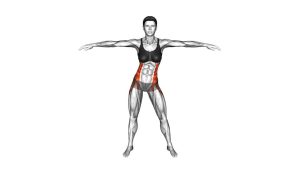
- Resist side bending: Stay vertical as the kettlebell tries to pull your torso toward the loaded side.
- Control the ribs and hips: Avoid rib flare, hip shift, twisting, or leaning away from the kettlebell.
- Breathe behind the brace: Take short, controlled breaths while keeping your trunk tight.
- Hold for the target time: Maintain the same posture from the first second to the final second.
- Switch sides carefully: Set the kettlebell down with control, then repeat on the opposite side.
Pro Tips & Common Mistakes
Pro Tips
- Use a mirror if possible: Check that your shoulders, ribs, and hips stay level.
- Keep the kettlebell close: A closer load is easier to control and safer for beginners.
- Train both sides evenly: Perform the same hold time on the left and right side.
- Grip firmly, not desperately: Hold the handle with control while keeping the neck relaxed.
- Use slow breathing: Controlled breathing helps you maintain tension without excessive stiffness.
- Pair it with carries: Once the hold is clean, progress to the kettlebell suitcase carry.
Common Mistakes
- Leaning away from the kettlebell: This reduces core demand and turns the movement into a compensation.
- Collapsing toward the kettlebell: This shows the load is too heavy or the brace is too weak.
- Letting the shoulder drop: Keep the shoulder packed and level without shrugging.
- Shifting the hips sideways: Keep the pelvis centered between both feet.
- Holding the breath too long: Brace strongly, but continue breathing in a controlled way.
- Using too much weight too soon: A lighter kettlebell with perfect posture is better than a heavy one with leaning.
FAQ
What muscles does the Kettlebell Suitcase Hold work?
The Kettlebell Suitcase Hold mainly works the obliques and deep core stabilizers. It also trains the quadratus lumborum, transverse abdominis, grip, forearms, shoulders, traps, glutes, and postural muscles.
Is the Kettlebell Suitcase Hold a core exercise?
Yes. It is a core stability exercise because the trunk must resist side bending while holding an uneven load. This makes it especially useful for anti-lateral flexion strength and posture control.
Should I feel this more on the loaded side or opposite side?
You may feel both sides working. The loaded side supports the weight, while the opposite side helps resist the pull. The main goal is to feel strong trunk tension without leaning, twisting, or shrugging.
How heavy should the kettlebell be?
Choose a weight that feels challenging but allows perfect posture for the full hold time. If your torso leans, your shoulder drops, or your grip fails quickly, use a lighter kettlebell.
What is the difference between a suitcase hold and a suitcase carry?
The suitcase hold is performed while standing still. The suitcase carry adds walking, which increases the demand on balance, gait control, grip, and dynamic core stability.
Can beginners do the Kettlebell Suitcase Hold?
Yes. Beginners can start with a light kettlebell and short hold times. The exercise is simple to learn, but strict posture is important for getting the correct core stability benefit.
Recommended Equipment
- Cast Iron Kettlebell — the main tool for suitcase holds, carries, swings, deadlifts, and strength training.
- Adjustable Kettlebell — useful if you want multiple weight options without buying several kettlebells.
- Weightlifting Chalk — improves grip security during longer holds and heavier kettlebell work.
- Exercise Mat — provides a clean, stable training surface for warm-ups, core work, and mobility.
- Interval Fitness Timer — helps track hold duration, rest periods, and left-right side consistency.
Tip: For this exercise, the most important equipment choice is the kettlebell weight. Start light enough to stay tall, then progress only when your posture remains clean on both sides.