Side Plank Raise: Form, Benefits, Sets, Tips & FAQ
Learn the Side Plank Raise to strengthen obliques, core stability, and hip control with proper form, sets, mistakes, FAQs, and gear.
Side Plank Raise
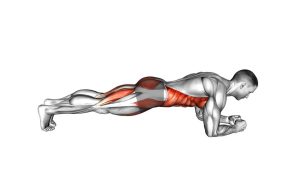
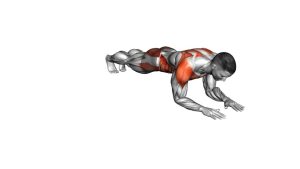
This exercise is excellent for training the side body because it combines core strength, shoulder stability, and pelvic control in one simple bodyweight movement. During each repetition, the obliques work to resist side bending while also lifting the hips back into position. Keep the movement controlled and avoid rushing the bottom or bouncing at the top.
Quick Overview
| Body Part | Core |
|---|---|
| Primary Muscle | Obliques |
| Secondary Muscle | Quadratus lumborum, transverse abdominis, glute medius, shoulder stabilizers |
| Equipment | Bodyweight only; optional exercise mat |
| Difficulty | Beginner to Intermediate |
Sets & Reps (By Goal)
- Beginner core control: 2–3 sets × 6–8 reps per side with slow, clean movement.
- Oblique strength: 3–4 sets × 8–12 reps per side with a 1-second squeeze at the top.
- Core endurance: 2–4 sets × 12–15 reps per side using a steady tempo.
- Warm-up activation: 1–2 sets × 6–10 reps per side before full-body or core training.
Progression rule: First improve alignment and control. Then add reps, longer pauses, or a slower lowering phase before trying harder side plank variations.
Setup / Starting Position
- Lie on your side: Place your forearm on the floor with the elbow directly under the shoulder.
- Extend the legs: Stack the feet for more challenge or stagger them for better balance.
- Brace your core: Keep the ribs down, glutes lightly squeezed, and body long.
- Lift into side plank: Raise the hips until your body forms a straight line from head to feet.
- Set the top arm: Place the top hand on your hip or extend it upward for balance.
Tip: If stacking the feet feels unstable, place the top foot slightly in front of the bottom foot. This makes the exercise easier without changing the main core focus.
Execution (Step-by-Step)
- Start tall: Begin in a strong side plank with your hips lifted and your shoulder stacked over the elbow.
- Lower the hips: Slowly drop your hips toward the floor while keeping your chest facing forward.
- Stop before resting: Let the hips hover close to the floor, but do not fully relax or collapse.
- Drive upward: Contract your obliques and lift the hips back to the starting side plank line.
- Reset briefly: Pause at the top, breathe, and repeat with the same controlled range.
Pro Tips & Common Mistakes
- Keep the elbow under the shoulder: This protects the shoulder and improves leverage.
- Do not let the hips sag: Lower with control, but keep tension before lifting again.
- Avoid twisting: Keep the chest, hips, and legs stacked as much as possible.
- Use the obliques, not momentum: Do not bounce out of the bottom position.
- Keep the neck neutral: Look forward, not down at your elbow or up at the ceiling.
- Control both sides: Train the weaker side first so your stronger side does not set the standard.
FAQ
What muscles does the Side Plank Raise work?
The Side Plank Raise mainly works the obliques. It also trains the quadratus lumborum, transverse abdominis, glute medius, and shoulder stabilizers.
Is the Side Plank Raise good for abs?
Yes. It is especially useful for the side abs and deep core muscles. It builds stability, control, and anti-lateral flexion strength rather than only forward crunching strength.
Should my hips touch the floor?
No. The hips should lower close to the floor but stay slightly lifted. Resting fully at the bottom reduces tension and can make each rep less effective.
Why do I feel this in my shoulder?
Some shoulder work is normal because the supporting arm stabilizes the body. However, sharp pain or heavy shoulder pressure usually means your elbow is not stacked properly or your core is not braced enough.
How can I make the Side Plank Raise easier?
Bend the bottom knee, stagger the feet, or reduce the hip-lowering range. Focus on clean alignment before increasing reps or moving to the full version.
Recommended Equipment (Optional)
- Exercise Mat — adds comfort for the elbow, forearm, hip, and side plank setup.
- Thick Yoga Mat — helpful if your elbow or hip feels pressure on hard floors.
- Elbow Support Pad — useful for side plank variations that place pressure on the forearm.
- Mini Resistance Bands — can be used for advanced hip and glute stability progressions.
- Core Sliders — useful for pairing with other core stability and anti-rotation exercises.
Tip: Start with a comfortable mat first. Better comfort usually improves position quality and allows you to focus on oblique control instead of elbow pressure.