Glute-Ham Raise: Proper Form, Benefits, Sets, Tips & FAQ
Learn the Glute-Ham Raise for stronger hamstrings, glutes, and posterior-chain control. Includes form, sets, mistakes, FAQs, and equipment.
Glute-Ham Raise
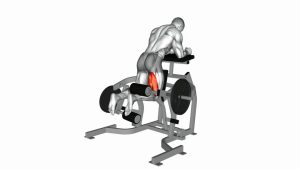
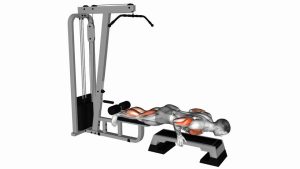
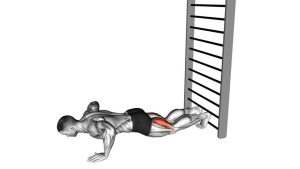
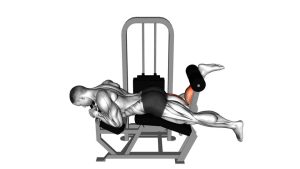
The Glute-Ham Raise is best performed with slow control, a stable torso, and strong tension through the back of the legs. The goal is not to swing the body upward, bend heavily at the hips, or rush through the rep. Instead, keep the ribs controlled, the spine neutral, and the hamstrings engaged from the start of the descent to the top of the lift.
Quick Overview
| Body Part | Hamstrings |
|---|---|
| Primary Muscle | Hamstrings — biceps femoris, semitendinosus, and semimembranosus |
| Secondary Muscle | Glutes, spinal erectors, calves, and core stabilizers |
| Equipment | Glute-Ham Developer / GHD machine |
| Difficulty | Intermediate to advanced due to high hamstring demand and strict body control |
Sets & Reps (By Goal)
- Strength: 3–5 sets × 4–8 reps with full control and 90–150 seconds rest
- Hypertrophy: 3–4 sets × 8–12 reps using a slow eccentric and 60–90 seconds rest
- Hamstring injury prevention: 2–4 sets × 5–8 controlled reps with a 3–5 second lowering phase
- Posterior-chain accessory work: 2–3 sets × 8–10 reps after squats, deadlifts, or leg training
- Beginner progression: 2–3 sets × 3–6 partial reps or band-assisted reps
Progression rule: Increase range of motion first, then increase reps, then add load only after you can control the full movement without hip collapse or lower-back extension.
Setup / Starting Position
- Adjust the GHD: Set the footplate so your knees are supported near the front edge of the pad and your feet are locked securely.
- Lock the lower body: Place the ankles under the rollers and press the feet into the footplate for stability.
- Set the torso: Start tall with the hips extended, ribs controlled, and spine neutral.
- Brace lightly: Tighten the core enough to prevent the lower back from arching excessively.
- Position the arms: Keep the hands across the chest, near the shoulders, or slightly forward depending on your strength level.
- Create hamstring tension: Before lowering, gently pull through the back of the legs so the descent begins under control.
A correct setup should feel secure at the feet and stable at the pad. If the knees slide, the ankles feel loose, or the hips cannot stay controlled, adjust the machine before starting.
Execution (Step-by-Step)
- Start tall: Begin with the torso upright, hips extended, and body aligned from knees to shoulders.
- Lower under control: Slowly allow the body to travel forward while keeping the torso firm and the spine neutral.
- Resist with the hamstrings: Control the descent mainly through the back of the thighs, not by collapsing at the hips.
- Reach the bottom position: Lower until your body is near horizontal or until you reach the deepest range you can control.
- Pull back up: Contract the hamstrings to bend the knees and raise the body upward as one strong unit.
- Finish with hip extension: At the top, squeeze the glutes lightly and return to a tall, controlled position.
- Reset each rep: Pause briefly, rebrace, and repeat without bouncing or swinging.
Pro Tips & Common Mistakes
- Keep the body rigid: Think of moving from the knees while the torso, hips, and shoulders stay connected.
- Control the eccentric: The lowering phase is one of the most valuable parts of the exercise, so avoid dropping quickly.
- Do not turn it into a back extension: Avoid folding at the hips and lifting mainly with the lower back.
- Avoid excessive lumbar arch: Brace the ribs down and keep the glutes active to protect the lower back.
- Use assistance when needed: A resistance band, push-off from the hands, or partial range can help build strength safely.
- Do not rush progression: Full Glute-Ham Raises are demanding. Clean partial reps are better than sloppy full reps.
- Keep the knees comfortable: Adjust the pad position if the knees feel compressed or irritated.
- Pair it wisely: Use it after compound lifts or as a focused hamstring accessory, not when your hamstrings are already severely fatigued.
FAQ
What muscles does the Glute-Ham Raise work?
The Glute-Ham Raise mainly targets the hamstrings. It also trains the glutes, spinal erectors, calves, and core because the body must stay stable while the knees flex and extend under control.
Is the Glute-Ham Raise the same as a Nordic curl?
No. Both exercises train the hamstrings strongly, but the Glute-Ham Raise is performed on a GHD machine and usually allows more hip involvement near the top. A Nordic curl is typically more knee-dominant and often harder through the full range.
Is the Glute-Ham Raise good for hamstring strength?
Yes. It is one of the best bodyweight-style exercises for building hamstring strength because it trains the hamstrings through knee flexion while also demanding strong posterior-chain control.
Why do I feel my lower back during the Glute-Ham Raise?
Some lower-back stabilization is normal, but the lower back should not dominate the movement. If it does, you may be overextending the spine, bending too much at the hips, or using momentum instead of hamstring control.
How can beginners perform the Glute-Ham Raise?
Beginners can use a shorter range of motion, place the hands forward for light assistance, use a resistance band for support, or focus only on slow eccentric reps before attempting full strict repetitions.
Should I add weight to the Glute-Ham Raise?
Add weight only after you can perform clean full-range reps with no swinging, no hip collapse, and no lower-back overextension. Most lifters should master bodyweight control first.
Recommended Equipment
- Glute-Ham Developer Machine — the main equipment needed to perform strict Glute-Ham Raises safely and effectively
- Compact GHD Machine for Home Gym — useful for home training setups where space is limited
- Resistance Bands Set — helpful for assisted Glute-Ham Raise progressions and controlled eccentric practice
- Weighted Vest — an advanced loading option once bodyweight reps are strong and controlled
- Exercise Mat / Knee Pad — useful for warm-ups, hamstring mobility work, and knee comfort during accessory drills
Tip: Choose equipment that allows secure foot placement and stable knee support. The Glute-Ham Raise requires control, so machine stability is more important than heavy loading.