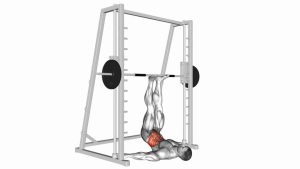
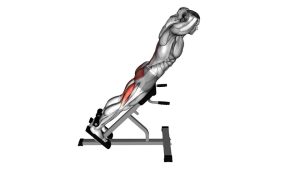
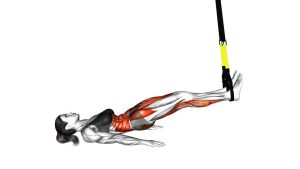
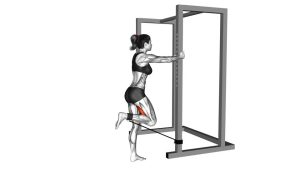
Inverse Leg Curl: Cable Suspension Hamstring Curl Guide
Learn the inverse leg curl with cable suspension for stronger hamstrings, better knee control, clean form, sets, tips, FAQs, and equipment.
Inverse Leg Curl (Cable Suspension)
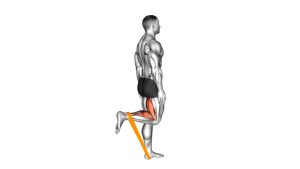
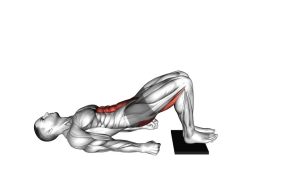
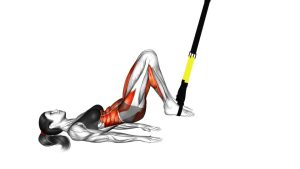
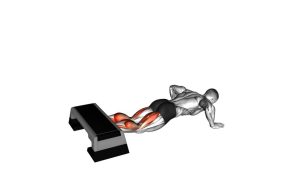
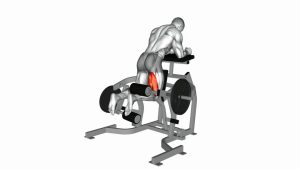
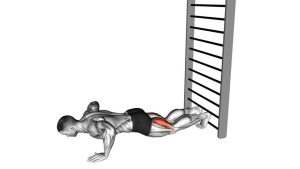
This movement is more demanding than a standard machine leg curl because the body is suspended and must resist swinging, arching, and hip compensation. It works best when performed with a smooth tempo, controlled knee bend, and a stable plank-like body line. The hamstrings should create the curl, while the hips and spine stay steady.
Quick Overview
| Body Part | Hamstrings |
|---|---|
| Primary Muscle | Hamstrings — biceps femoris, semitendinosus, semimembranosus |
| Secondary Muscle | Glutes, calves, core, lats, shoulders, forearms |
| Equipment | Pull-up cable machine, high cable station, suspension straps, ankle straps, or secure handles |
| Difficulty | Intermediate to advanced because it requires hamstring strength, grip control, and body stability |
Sets & Reps (By Goal)
- Technique practice: 2–3 sets × 5–8 slow reps with light assistance
- Hamstring strength: 3–5 sets × 4–8 reps with strict control
- Muscle growth: 3–4 sets × 8–12 reps with a 2–3 second lowering phase
- Posterior-chain accessory work: 2–4 sets × 10–15 controlled reps
- Advanced eccentric focus: 3–5 sets × 3–6 reps with a very slow return phase
Progression rule: Increase control before increasing range or resistance. The best progression is a cleaner eccentric, less swinging, and stronger knee flexion without hip collapse.
Setup / Starting Position
- Set the anchor: Use a secure high cable, pull-up station, suspension strap, or stable overhead support.
- Grip firmly: Hold the handles or bar with both hands and keep the shoulders active, not loose.
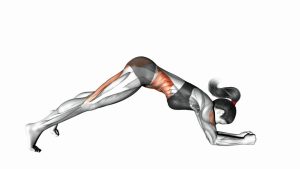
- Extend the body: Move into a suspended or angled plank position with the legs extended behind you.
- Brace the core: Keep the ribs down, glutes lightly engaged, and spine neutral.
- Start with long legs: Knees begin extended, feet behind you, and body aligned from head to heels.
- Control the tension: Adjust cable assistance or strap angle so you can curl without swinging aggressively.
Tip: The more horizontal your body position becomes, the harder the movement usually feels. Start with a manageable angle before attempting a deeper suspended version.
Execution (Step-by-Step)
- Brace first: Tighten your core and keep your shoulders packed before starting the curl.
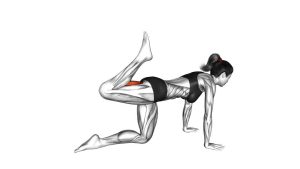
- Bend the knees: Pull your heels toward your glutes by flexing the knees, not by lifting the hips.
- Keep the hips steady: Avoid folding at the waist or letting your pelvis drop.
- Reach peak contraction: Curl as far as you can while keeping a strong body line and hamstring tension.
- Pause briefly: Hold the top position for 1 second without jerking or over-swinging.
- Lower slowly: Extend the knees under control until the legs return to the starting position.
- Reset each rep: Re-brace before the next curl so every repetition stays clean and stable.
Pro Tips & Common Mistakes
- Keep the body long: Maintain a plank-like line instead of letting the lower back arch.
- Do not swing into the curl: Momentum reduces hamstring tension and makes the movement less effective.
- Control the lowering phase: The eccentric part builds strength and protects the hamstrings.
- Avoid hip folding: If the hips bend too much, the movement becomes less of a hamstring curl.
- Use assistance wisely: Cable tension should help control the body, not remove all hamstring effort.
- Keep shoulders active: Do not hang passively from the arms; keep the upper body stable.
- Use a smaller range if needed: Clean partial reps are better than sloppy full-range reps.
- Stop before form breaks: End the set when swinging, cramping, or back arching becomes difficult to control.
FAQ
What muscles does the inverse leg curl work?
The inverse leg curl mainly targets the hamstrings. The glutes, core, calves, lats, shoulders, and forearms also assist because the body must stay stable during suspension.
Is this the same as a machine lying leg curl?
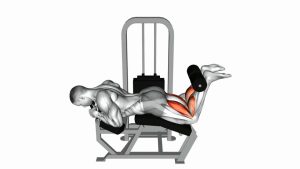
No. Both train knee flexion, but the inverse leg curl requires much more body control. A machine leg curl is more stable, while this version challenges core stability, grip, and coordination.
Is the inverse leg curl good for hamstring growth?
Yes, it can support hamstring growth when performed with enough control, time under tension, and progressive overload. Use slow reps and avoid turning the exercise into a swinging movement.
Who should avoid this exercise?
Beginners with weak hamstring control, recent hamstring injuries, poor shoulder stability, or limited grip strength should start with easier hamstring curl variations before attempting this suspended version.
How can I make the exercise easier?
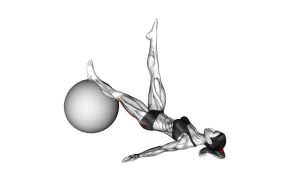
Use more cable assistance, reduce your body angle, shorten the range of motion, or perform slow partial reps. You can also begin with a stability ball hamstring curl or machine leg curl first.
Recommended Equipment
- Cable Machine Ankle Straps — useful for secure lower-body cable attachment and leg curl variations
- Suspension Trainer Straps — helpful for suspended hamstring curls, rows, planks, and bodyweight control work
- Cable Machine Handle Attachments — improves grip options when setting up cable-supported suspension exercises
- Thick Exercise Mat — adds floor comfort and safety during setup, kneeling, or assisted variations
- Hamstring Curl Sliders — a simpler alternative for training knee flexion before progressing to suspension curls
Tip: Choose equipment that lets you stay stable and controlled. For this exercise, safety and setup quality matter more than heavy resistance.