Lever Lying Leg Curl: Form, Hamstring Benefits, Sets & Tips
Learn the Lever Lying Leg Curl for stronger hamstrings with proper setup, controlled reps, common mistakes, FAQs, and equipment tips.
Lever Lying Leg Curl
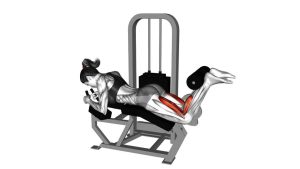
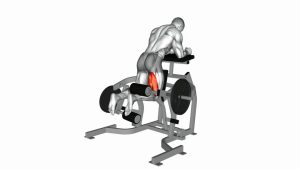
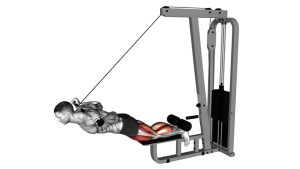
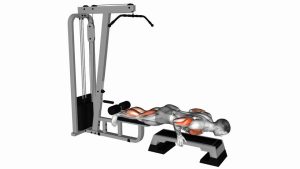
This exercise is excellent for targeting the biceps femoris, semitendinosus, and semimembranosus. Because the machine supports the body, it allows you to focus on hamstring contraction, clean tempo, and consistent range of motion. It works well as a main hamstring isolation movement after compound lifts or as a controlled accessory exercise on lower-body training days.
Quick Overview
| Body Part | Hamstrings |
|---|---|
| Primary Muscle | Hamstrings — biceps femoris, semitendinosus, semimembranosus |
| Secondary Muscle | Gastrocnemius, glutes, and core stabilizers |
| Equipment | Plate-loaded lying leg curl machine |
| Difficulty | Beginner to Intermediate |
Sets & Reps (By Goal)
- Muscle growth: 3–4 sets × 8–12 reps with a controlled 2–3 second lowering phase.
- Strength focus: 4–5 sets × 5–8 reps using heavier resistance while keeping strict form.
- Hamstring endurance: 2–4 sets × 12–20 reps with light-to-moderate load and constant tension.
- Warm-up activation: 2–3 sets × 12–15 reps using light weight before deadlifts, squats, or leg presses.
- Rehab-style control: 2–3 sets × 10–15 slow reps with low load and pain-free range only.
Progression rule: Add reps first, then add small amounts of weight. Do not increase load if your hips lift, your lower back arches, or you lose control during the lowering phase.
Setup / Starting Position
- Adjust the machine: Set the roller pad so it rests just above your heels or on the lower calves, not directly on the Achilles tendon.
- Lie face down: Place your torso fully on the bench pad with your knees aligned close to the machine’s pivot point.
- Grip the handles: Hold the front handles firmly to keep your upper body stable during the curl.
- Set your hips: Press your hips gently into the pad to prevent your pelvis from lifting as the weight gets heavier.
- Start with straight legs: Begin with the knees extended but not aggressively locked out.
- Brace lightly: Keep your core active and your spine neutral before starting the first rep.
Tip: A proper machine setup makes the movement smoother. If the roller pad is too high or too low, the curl may feel awkward and reduce hamstring tension.
Execution (Step-by-Step)
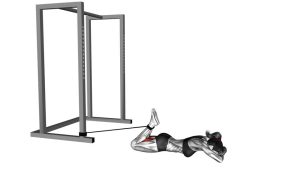
- Begin from the bottom: Start with your legs extended and your body stable against the machine pad.
- Curl the pad upward: Bend your knees and pull the roller pad toward your glutes using your hamstrings.
- Keep your hips down: Do not let your hips rise as the pad moves upward.
- Reach peak contraction: Curl as far as your comfortable range allows and squeeze the hamstrings at the top.
- Pause briefly: Hold the top position for about one second without bouncing.
- Lower with control: Slowly extend your knees and resist the weight on the way down.
- Stop before losing tension: Return near full extension, then begin the next rep without relaxing completely.
Pro Tips & Common Mistakes
- Use a full but controlled range: Curl high enough to shorten the hamstrings, then lower until the legs are almost straight.
- Do not swing the weight: Fast reps reduce muscle tension and increase compensation.
- Keep the hips glued to the pad: Hip lift usually means the load is too heavy.
- Control the eccentric phase: The lowering portion builds strength and improves hamstring control.
- Avoid locking out hard: Do not slam into the bottom position or fully relax between reps.
- Point your toes naturally: Keep the ankles comfortable. Slight plantar flexion may reduce calf assistance for some lifters.
- Match load to control: The best leg curl reps are smooth, strict, and repeatable.
- Use it after compound lifts: Pair this exercise with Romanian deadlifts, hip thrusts, or squats for a complete posterior-chain workout.
FAQ
What muscles does the Lever Lying Leg Curl work?
The Lever Lying Leg Curl mainly works the hamstrings, including the biceps femoris, semitendinosus, and semimembranosus. It also involves the calves and glutes slightly as stabilizers.
Is the Lever Lying Leg Curl good for building hamstrings?
Yes. It is one of the best machine exercises for directly targeting the hamstrings because it isolates knee flexion and keeps the body supported. For muscle growth, use controlled reps, moderate weight, and a strong squeeze at the top.
Should I go heavy on lying leg curls?
You can train it heavy, but only if your form stays strict. If your hips lift off the pad or you need momentum to start the rep, reduce the weight and focus on controlled tension.
Where should the roller pad sit?
The roller pad should sit just above the heels or on the lower calves. It should not press directly into the Achilles tendon, and it should not sit too high behind the knees.
Why do my hips lift during the exercise?
Hip lift usually happens when the weight is too heavy or when the hamstrings are trying to compensate through the pelvis. Press your hips into the pad, reduce the load, and slow down the curl.
Is this better than the seated leg curl?
Both are useful. The lying leg curl trains the hamstrings with the hips extended, while the seated leg curl trains them with the hips flexed. Using both variations can help build complete hamstring strength.
Recommended Equipment
- Plate-Loaded Lying Leg Curl Machine — the main machine option for performing this exercise with adjustable resistance.
- Olympic Weight Plates — useful for loading plate-loaded lever machines progressively.
- Weightlifting Gloves — help improve grip on machine handles during heavy or high-rep sets.
- Foam Roller for Legs — helpful for warming up the hamstrings, calves, and quads before lower-body training.
- Resistance Bands for Legs — useful for hamstring warm-ups, glute activation, and accessory lower-body work.
Tip: Choose equipment that supports smooth movement and stable positioning. Better setup leads to better hamstring tension and safer progression.