Barbell Side Split Squat: Form, Muscles Worked, Sets, Tips & FAQ
Learn the Barbell Side Split Squat for stronger quads, glutes, adductors, and lateral hip control with setup, form cues, sets, mistakes, FAQ, and gear.
Barbell Side Split Squat
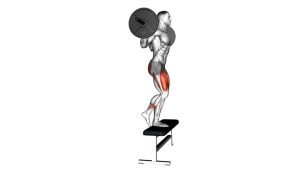
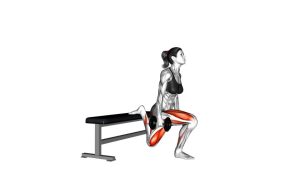
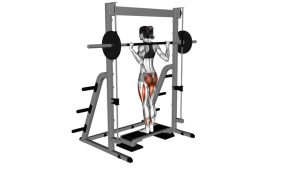
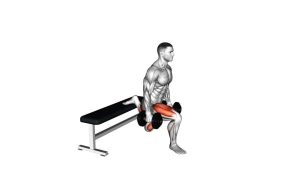
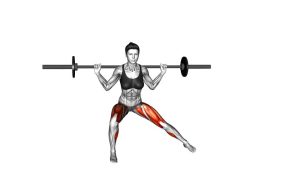
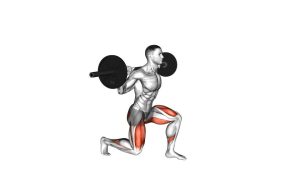
This movement is more than a regular squat variation. Instead of moving straight down and up, the body travels laterally into one hip. The working leg handles most of the load, while the straight leg receives a strong inner-thigh stretch. For best results, keep the bar stable, brace your core, and move slowly enough to control the shift from side to side.
Quick Overview
| Body Part | Legs |
|---|---|
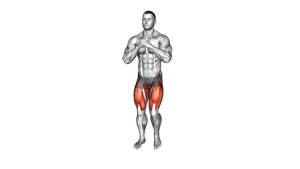
| Primary Muscle | Quadriceps, glutes, adductors |
| Secondary Muscle | Hamstrings, calves, core stabilizers, hip abductors |
| Equipment | Barbell, weight plates, squat rack recommended |
| Difficulty | Intermediate due to balance, hip mobility, and barbell control demands |
Sets & Reps (By Goal)
- Strength: 3–5 sets × 4–6 reps per side with controlled rest and moderate-heavy loading.
- Muscle growth: 3–4 sets × 8–12 reps per side using a smooth tempo and full control.
- Mobility and control: 2–3 sets × 6–10 slow reps per side with a lighter barbell.
- Warm-up patterning: 1–2 sets × 6–8 reps per side using an empty bar or very light load.
Progression rule: Improve depth, control, and symmetry before adding more weight. Load should never cause the knee to collapse inward or the barbell to tilt.
Setup / Starting Position
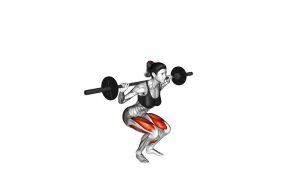
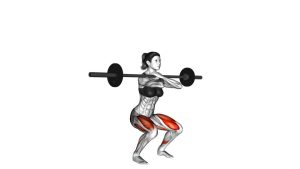
- Set the barbell: Place the bar across your upper traps like a back squat. Keep it secure and evenly balanced.
- Take a wide stance: Step your feet wider than shoulder width, with toes slightly turned outward.
- Brace your core: Keep your ribs down, chest tall, and spine neutral before starting the movement.
- Keep both feet planted: Your heels should stay grounded throughout the entire rep.
- Start centered: Stand tall with the hips between both feet before shifting into the first side.
Tip: Start with an empty barbell if you are learning the movement. The wide stance and lateral shift require more hip control than a standard squat.
Execution (Step-by-Step)
- Brace and inhale: Create tension through your core before moving into the side squat.
- Shift your hips to one side: Bend one knee while allowing the hips to travel toward that leg.
- Keep the opposite leg straight: The non-working leg should stay extended with the foot planted.
- Lower under control: Sit the hips back and down until you reach a comfortable depth without forcing the groin or hip.
- Drive through the bent leg: Push through the working foot to return back to the center.
- Repeat on the other side: Shift smoothly to the opposite leg while keeping the barbell level and your torso controlled.
Pro Tips & Common Mistakes
- Keep the barbell level: Do not let one side of the bar dip as you shift into the squat.
- Control the lateral shift: Avoid bouncing quickly from side to side.
- Do not let the heel lift: Keep the working foot flat for better force production and knee control.
- Avoid knee collapse: The bent knee should track over the toes, not cave inward.
- Do not force depth: Stop at the deepest range you can control without groin strain or hip pinching.
- Use the hips, not the lower back: Keep the spine neutral and avoid rounding as you sit into the side.
- Start light: This exercise becomes difficult quickly because one leg handles most of the load at a time.
FAQ
What muscles does the Barbell Side Split Squat work?
It primarily works the quadriceps, glutes, and adductors. It also trains the hamstrings, calves, core, and hip stabilizers because the body must control a loaded side-to-side movement.
Is the Barbell Side Split Squat the same as a Cossack squat?
It is similar, but not always identical. A Cossack squat usually emphasizes deeper mobility and may allow more foot rotation. The Barbell Side Split Squat is commonly performed as a controlled loaded lateral squat with both feet planted and the barbell across the back.
Should beginners do this exercise?
Beginners should first practice bodyweight lateral squats or goblet lateral squats. The barbell version is better for lifters who already understand bracing, squat mechanics, and hip control.
How wide should my stance be?
Your stance should be wide enough to let one leg straighten as the other knee bends. However, it should not be so wide that you feel forced into a painful groin stretch.
Why do I feel this in my inner thigh?
That is normal. The straight-leg side creates a strong adductor stretch, while the working side trains strength and control. Keep the range comfortable and avoid forcing the stretch.
Recommended Equipment
- Olympic Barbell — essential for performing the loaded barbell variation.
- Barbell Squat Pad — adds comfort if the bar pressure on the upper back feels uncomfortable.
- Olympic Weight Plates — useful for progressive overload as strength improves.
- Squat Rack — helps you unrack and rerack the bar safely.
- Weightlifting Shoes — provide a stable base and can improve squat control.
Tip: Use equipment that helps you stay stable and controlled. This exercise rewards clean positioning more than heavy loading.