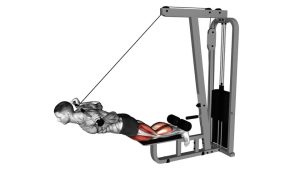
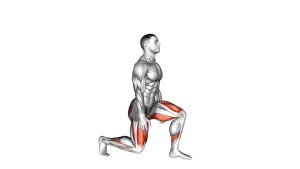
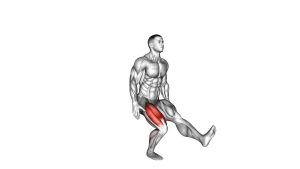
Weighted Bench-Assisted Sissy Squat: Form, Quad Tips & FAQ
Learn the weighted bench-assisted sissy squat for stronger quads, better knee control, safe setup, step-by-step form, common mistakes, FAQs, and gear.
Weighted Bench-Assisted Sissy Squat
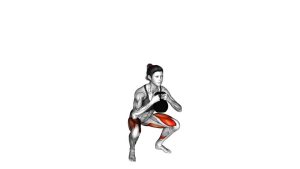
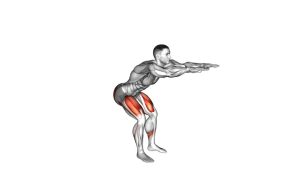
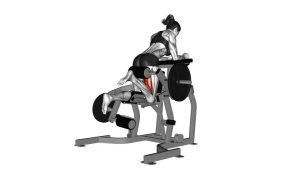
This exercise is best used when the goal is to place direct tension on the front thighs. Unlike a traditional squat, the hips do not sit back much. Instead, the knees travel forward while the body leans backward as one strong line. This creates a deep stretch and strong contraction through the quadriceps, especially near the bottom position.
Quick Overview
| Body Part | Quads |
|---|---|
| Primary Muscle | Quadriceps |
| Secondary Muscle | Hip flexors, calves, core stabilizers |
| Equipment | Weight plate and sturdy bench or support |
| Difficulty | Intermediate to advanced |
Sets & Reps (By Goal)
- Quad hypertrophy: 3–4 sets × 8–12 reps with slow control and moderate load.
- Quad isolation finisher: 2–3 sets × 12–15 reps using a lighter plate and constant tension.
- Strength control: 3–5 sets × 5–8 reps with a slower descent and full control.
- Beginner assisted practice: 2–3 sets × 6–10 bodyweight reps before adding the plate.
Progression rule: Master bodyweight control first. Then increase range, then reps, and only after that add heavier loading.
Setup / Starting Position
- Stand beside or behind a sturdy bench: Use the bench only for light balance support, not to pull yourself up.
- Hold the weight plate at chest level: Keep it close to your torso so the load stays controlled.
- Set your feet close together: Keep the stance narrow enough to emphasize the quads.
- Brace your core: Keep your ribs down and your body tall before starting the descent.
- Prepare the lean-back pattern: Think about keeping your hips forward while your knees travel forward.
Tip: If your balance feels unstable, reduce the weight and practice the movement without loading until the body line feels natural.
Execution (Step-by-Step)
- Start tall: Stand upright with the plate held close to your chest and your support hand lightly touching the bench.
- Send the knees forward: Begin the rep by bending the knees forward instead of pushing the hips back.
- Lean the body backward: Keep your torso, hips, and thighs controlled as the body moves into a diagonal line.
- Keep the hips extended: Do not turn the exercise into a regular squat by sitting back.
- Lower under control: Descend only as far as your knees, quads, and balance allow without pain.
- Pause briefly: Keep tension in the quads at the bottom without bouncing.
- Drive through knee extension: Push back up by straightening the knees and squeezing the quads.
- Return to the start: Finish tall, reset your brace, and repeat with the same smooth control.
Pro Tips & Common Mistakes
- Keep the bench support light: Use it for balance, not for pulling your body through the rep.
- Avoid hip hinging: The hips should stay forward so the quads remain the main target.
- Control the bottom position: Do not bounce out of the deepest range.
- Use a manageable plate: Too much weight can cause knee discomfort or poor balance.
- Keep the torso firm: Avoid excessive arching, collapsing, or twisting.
- Track the knees cleanly: Let the knees travel forward in line with the toes.
- Do not rush reps: A slow descent makes this exercise safer and more effective for quad tension.
FAQ
What muscles does the weighted bench-assisted sissy squat work?
It mainly works the quadriceps. The core, calves, and hip flexors help stabilize the body, but the main training effect should be felt in the front thighs.
Is the weighted sissy squat good for building quads?
Yes. It is one of the most direct quad-focused squat variations because it limits hip involvement and emphasizes knee extension. It works best with controlled reps and a load you can manage safely.
Should my knees go past my toes?
In this exercise, forward knee travel is expected. The key is to keep the motion controlled, pain-free, and aligned with your toes.
Can beginners do this exercise?
Beginners should start with the bodyweight assisted version first. Add a weight plate only when balance, knee control, and quad tension are consistent.
Why use a bench for support?
The bench helps with balance so you can focus on quad tension and cleaner knee-dominant movement. It should not replace leg strength by pulling your body up.
Recommended Equipment
- Weight Plate — ideal for loading the sissy squat while keeping the weight close to the chest.
- Adjustable Weight Bench — provides stable balance support during the assisted variation.
- Sissy Squat Machine — useful for more secure sissy squat training with lower balance demand.
- Knee Sleeves — can add warmth and light support during knee-dominant leg exercises.
- Non-Slip Exercise Mat — improves foot grip and stability when practicing at home.
Tip: Choose equipment that improves control, not compensation. If the support tool makes you pull with the arms instead of working the quads, reduce the load and rebuild the technique.