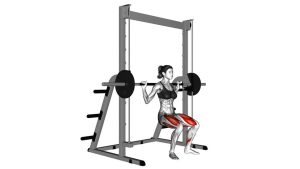
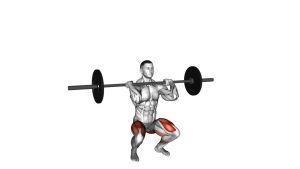
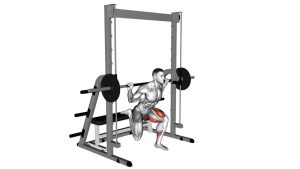
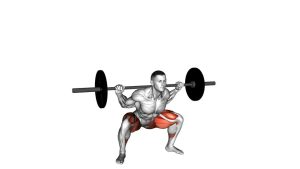
Smith Machine Low-Bar Squat: Proper Form, Muscles Worked, Sets, Tips & FAQ
Learn the Smith Machine Low-Bar Squat for glutes, quads, and strength. Includes setup, form cues, sets, mistakes, FAQs, and equipment tips.
Smith Machine Low-Bar Squat
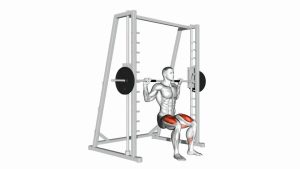
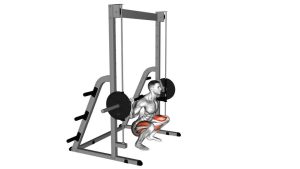
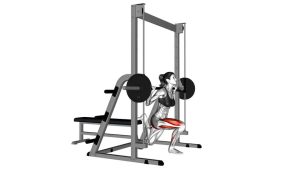
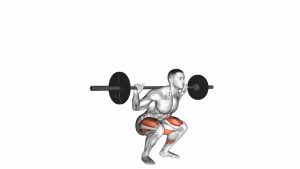
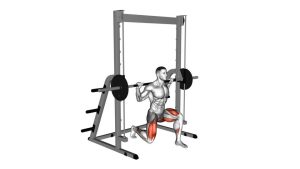
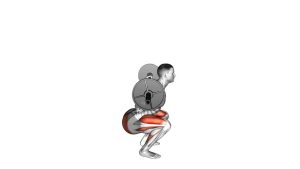
This exercise works best when you keep the bar secure on the rear delts, brace your torso before each rep, and let the hips move back as the knees bend. The goal is not to stay perfectly upright. Instead, the goal is to maintain a strong, neutral torso while squatting with controlled hip drive. A clean rep should feel balanced through the mid-foot, strong through the hips, and stable through the knees.
Quick Overview
| Body Part | Legs |
|---|---|
| Primary Muscle | Glutes and quadriceps |
| Secondary Muscle | Hamstrings, adductors, calves, spinal erectors, and core stabilizers |
| Equipment | Smith machine |
| Difficulty | Intermediate |
Sets & Reps (By Goal)
- Strength: 4–5 sets × 3–6 reps with 2–3 minutes rest
- Muscle growth: 3–4 sets × 8–12 reps with 60–120 seconds rest
- Glute focus: 3–4 sets × 10–15 reps with a controlled descent and strong hip drive
- Technique practice: 2–3 sets × 6–8 reps using light-to-moderate weight
Progression rule: Add weight only when every rep keeps the bar secure, knees tracking well, heels grounded, and torso position controlled.
Setup / Starting Position
- Set the bar height: Position the Smith bar around upper-chest to shoulder level so you can unrack it without standing on your toes.
- Create a low-bar shelf: Place the bar across the rear delts, below the top of the traps, not on the neck.
- Grip firmly: Hold the bar with both hands, pull your elbows slightly back, and tighten your upper back.
- Set your feet: Stand roughly shoulder-width apart with toes slightly turned out. Adjust your foot position so you can squat without heel lift.
- Brace your core: Take a breath into your midsection, lock your ribs down, and keep your spine neutral.
- Unrack safely: Rotate the bar out of the hooks and stand tall before beginning the first rep.
Tip: Because the Smith machine controls the bar path, foot placement is important. If your knees feel crowded, move your feet slightly forward. If your hips feel unstable, narrow the adjustment and use a lighter load.
Execution (Step-by-Step)
- Start tall: Stand with the bar secure, chest controlled, core braced, and eyes forward.
- Begin with the hips: Push the hips slightly back while allowing the knees to bend naturally.
- Descend under control: Lower until your thighs reach parallel or slightly below, depending on your mobility and control.
- Keep the knees tracking: Let the knees follow the same direction as your toes without collapsing inward.
- Stay balanced: Keep pressure through the mid-foot and heel instead of shifting onto the toes.
- Drive upward: Push through the floor, extend the hips and knees together, and keep the bar moving smoothly.
- Finish strong: Return to the standing position without overextending your lower back at the top.
Pro Tips & Common Mistakes
- Do keep the bar low and secure: The bar should rest on the rear delts, not on the cervical spine.
- Do brace before every rep: A strong brace helps protect your torso and keeps the squat controlled.
- Do use hip drive: Think about pushing the hips up and forward as you rise.
- Do control the bottom: Avoid bouncing aggressively out of the deepest position.
- Do not let your knees cave in: Keep the knees aligned with the toes during both descent and ascent.
- Do not turn it into a good morning: Some torso lean is normal, but your hips should not shoot up far ahead of your chest.
- Do not lock out with your lower back: Finish by standing tall, not by leaning backward.
- Do not load too heavy too soon: The Smith machine feels stable, but poor setup can still create joint stress.
FAQ
Is the Smith Machine Low-Bar Squat good for glutes?
Yes. The lower bar position and slightly more forward torso angle usually increase hip involvement, making the exercise useful for glute-focused lower-body training. To emphasize the glutes more, use a controlled descent, stable foot pressure, and strong hip drive on the way up.
What is the difference between a low-bar and high-bar Smith squat?
A low-bar Smith squat places the bar lower across the rear shoulders and usually uses more hip hinge. A high-bar Smith squat places the bar higher on the upper traps and usually feels more upright and quad-dominant.
Where should I place my feet?
Start around shoulder-width with toes slightly turned out. Because the Smith machine has a fixed bar path, you may need to place your feet slightly forward to keep the squat comfortable and balanced.
Should I squat below parallel?
Squat as deep as you can while keeping your heels grounded, knees controlled, and spine neutral. If your lower back rounds or your hips tuck aggressively, reduce depth and work on control.
Is the Smith Machine Low-Bar Squat safe for beginners?
It can be learned by beginners, but the low-bar position requires more awareness of bar placement, torso angle, and bracing. Beginners should start light, practice setup carefully, and avoid heavy loading until the movement feels stable.
Recommended Equipment
- Barbell Squat Pad — adds comfort when learning bar placement, though advanced lifters may prefer direct bar contact
- Weightlifting Belt — supports stronger bracing during heavier Smith machine squat sets
- Weightlifting Shoes — provide a stable base and help improve squat positioning
- Knee Sleeves — keep the knees warm and may improve comfort during squat training
- Resistance Bands — useful for glute activation drills and warm-ups before squatting
Tip: Equipment can support your training, but it should not replace proper setup, controlled reps, and smart loading.