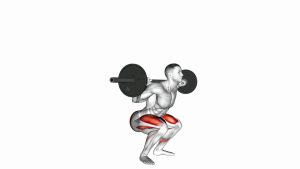
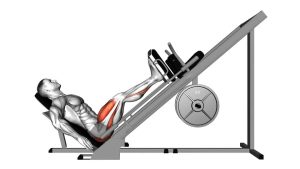
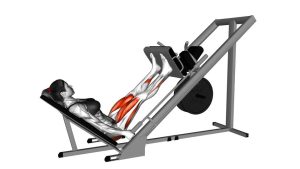
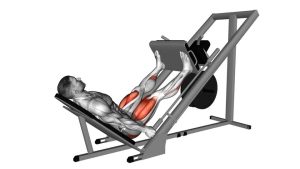
45-Degree Sled Leg Press: Proper Form, Muscles Worked, Sets & Tips
Learn the 45-degree sled leg press for stronger quads, glutes, and legs. Includes setup, form cues, sets, mistakes, FAQs, and equipment.
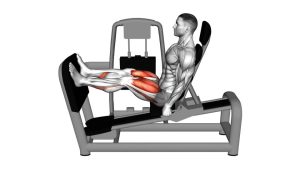
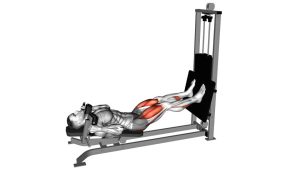
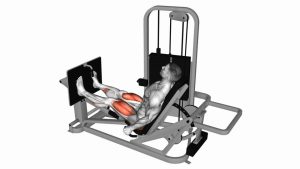
45-Degree Sled Leg Press
This exercise is useful for building lower-body strength and muscle because the machine provides stability while allowing the legs to work against heavy resistance. It is especially effective when the movement is performed with smooth tempo, controlled depth, and consistent knee tracking. The athlete should avoid bouncing at the bottom, lifting the hips from the pad, or snapping the knees at the top.
Quick Overview
| Body Part | Legs |
|---|---|
| Primary Muscle | Quadriceps |
| Secondary Muscle | Glutes, hamstrings, calves, adductors, and hip stabilizers |
| Equipment | 45-degree sled leg press machine and weight plates |
| Difficulty | Beginner to intermediate, depending on load and range of motion |
Sets & Reps (By Goal)
- Strength: 4–5 sets × 4–8 reps using a heavy but controlled load, resting 2–3 minutes between sets.
- Muscle growth: 3–4 sets × 8–15 reps with steady tempo and strong control through the full range.
- Leg endurance: 2–4 sets × 15–25 reps using moderate weight and strict form.
- Beginner practice: 2–3 sets × 10–12 reps using light weight to master foot pressure, knee tracking, and depth.
Progression rule: Add reps first, then increase weight gradually. Do not sacrifice depth, back position, or knee control just to move heavier plates.
Setup / Starting Position
- Sit into the machine: Place your back and hips firmly against the support pad.
- Set your feet: Place both feet about shoulder-width apart on the platform with toes slightly turned outward if comfortable.
- Keep full-foot contact: Your heels, midfoot, and forefoot should stay connected to the platform.
- Brace your torso: Hold the handles, keep the ribs controlled, and avoid arching or rounding the lower back.
- Unlock the sled safely: Press the sled slightly away, release the safety handles, and prepare to lower with control.
Foot placement affects muscle emphasis. A lower foot position often increases quad demand, while a slightly higher position may involve more glutes and hamstrings.
Execution (Step-by-Step)
- Begin from the top: Start with the legs extended but not forcefully locked out.
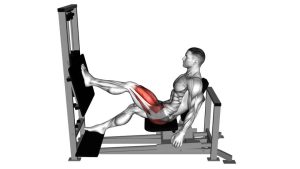
- Lower the sled slowly: Bend your knees and hips as the platform moves toward you.
- Control your depth: Descend until your knees are comfortably bent and your hips remain stable on the pad.
- Press through the feet: Push the platform away by extending your knees and hips together.
- Track the knees: Keep your knees moving in the same direction as your toes throughout the rep.
- Finish with control: Stop near full extension without snapping or hyperextending the knees.
- Repeat smoothly: Continue for the target reps without bouncing at the bottom or relaxing at the top.
Pro Tips & Common Mistakes
- Press through the full foot: Avoid pushing only through the toes. Keep the heels planted for better power and joint control.
- Do not lock the knees aggressively: Finish each rep with control and keep a slight softness at the top.
- Avoid bouncing at the bottom: Lower slowly, pause briefly if needed, then press with muscle control.
- Keep the hips down: If your pelvis curls upward, your range is too deep or the load is too heavy.
- Control knee direction: Do not let the knees collapse inward. Keep them aligned with the toes.
- Use a consistent stance: Choose a foot position that allows stable pressure and repeatable movement.
- Do not overload too soon: The leg press allows heavy loading, but clean reps matter more than plate count.
FAQ
What muscles does the 45-degree sled leg press work?
The main muscle worked is the quadriceps. The glutes, hamstrings, calves, and hip stabilizers also assist during the press.
Is the 45-degree sled leg press good for building legs?
Yes. It is effective for building leg size and strength because it allows controlled lower-body loading with support from the machine. It works best when paired with squats, lunges, deadlift variations, or other lower-body exercises.
How deep should I go on the leg press?
Lower the sled until your knees are comfortably bent and your hips stay firmly on the pad. Do not force extra depth if your lower back rounds or your pelvis lifts.
Should I lock my knees at the top?
No. You can extend the legs close to straight, but avoid snapping into a hard lockout. Keeping slight control at the top helps reduce unnecessary knee stress.
Where should I place my feet on the platform?
A shoulder-width stance in the middle of the platform is a strong general starting point. Lower foot placement may emphasize quads more, while higher foot placement may increase glute and hamstring involvement.
Recommended Equipment
- Weightlifting Shoes — provide stable foot support and firm pressure during heavy leg press sets
- Knee Sleeves — help keep the knees warm and supported during leg training
- Weightlifting Belt — useful for bracing support during heavier lower-body sessions
- Gym Training Gloves — improve handle grip and comfort during machine-based workouts
- Foam Roller — helpful for warming up quads, glutes, and calves before leg training
Tip: Equipment can support training, but it should not replace proper form. Prioritize controlled reps, stable foot pressure, and safe depth before increasing load.