Standing Balance Quadriceps Stretch: Form, Benefits & Tips
Learn the Standing Balance Quadriceps Stretch for flexible quads and steady balance. Explore step-by-step form, stretch holds, common mistakes, tips, and FAQs.
Standing Balance Quadriceps Stretch
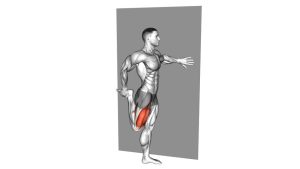
The Standing Balance Quadriceps Stretch combines lower-body flexibility with controlled single-leg balance. Because the movement requires no equipment, it fits easily into home workouts, gym sessions, and stretching routines.
Additionally, the exercise encourages awareness of hip positioning, knee alignment, and upright posture. The standing leg provides stability while the opposite quadriceps experiences a gentle stretch. As a result, you can practice flexibility and coordination within the same movement.
For the best results, maintain a relaxed upper body and avoid pulling the heel aggressively. Instead, focus on a steady position, natural breathing, and gradual muscular lengthening. Although the demonstration uses unsupported balance, beginners may use a wall or sturdy chair when necessary.
Quick Overview
| Body Part | Quads (Front Thighs) |
|---|---|
| Primary Muscle | Quadriceps femoris, particularly rectus femoris; vastus lateralis, vastus medialis, and vastus intermedius |
| Secondary Muscle | Hip flexors may also be stretched; gluteus medius, gluteus minimus, calf muscles, ankle stabilizers, and core stabilizers assist with balance |
| Equipment | None required (optional: wall, sturdy chair, or stretching strap for assistance) |
| Difficulty | Beginner to Intermediate, depending on flexibility, coordination, and single-leg balance |
Sets & Reps (By Goal)
- General flexibility: Perform 2–3 sets × 20–30 seconds per leg. Maintain gentle tension and breathe naturally throughout each hold.
- Post-workout stretching: Complete 2–3 sets × 30–45 seconds per leg. Additionally, allow the quadriceps to relax gradually instead of increasing the pulling force.
- Balance and coordination: Perform 2–3 sets × 15–25 seconds per leg. Focus on steady foot contact, controlled posture, and minimal unnecessary movement.
- Lower-body mobility: Complete 2–4 sets × 20–40 seconds per side. Meanwhile, maintain a neutral pelvis and avoid compensating through the lower back.
- Beginner stretching practice: Start with 1–2 sets × 15–20 seconds per leg. If necessary, use a stable support until balance and confidence improve.
Progression rule: First establish consistent balance and comfortable stretching technique. Then gradually increase hold duration before attempting a slightly deeper stretch. However, never force the heel closer when knee discomfort or excessive tension develops. Rest approximately 20–45 seconds between holds when needed.
Setup / Starting Position
- Choose a stable standing surface: Begin on a firm, level, non-slip floor. Keep the surrounding area clear of obstacles. Additionally, wear footwear that provides reliable traction or stand barefoot when appropriate.
- Establish an upright posture: Stand tall with your feet approximately hip-width apart. Keep your chest lifted, shoulders relaxed, and head aligned with your spine. Meanwhile, direct your eyes toward a stationary point.
- Transfer weight to one leg: Gradually shift your body weight onto the supporting foot. Maintain contact through the heel and forefoot. However, avoid aggressively locking the standing knee.
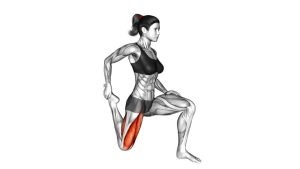
- Bend the opposite knee: Lift one heel backward toward the glutes by flexing the knee. Keep the thigh relatively vertical rather than swinging the knee forward.
- Reach for the lifted foot: Bring the hand on the stretching side backward and grasp the ankle or foot comfortably. If reaching causes twisting, use a stretching strap instead of forcing the shoulder.
- Control your hip alignment: Keep both hips facing forward and maintain a gentle abdominal brace. Additionally, position the bent knee near the supporting leg without forcing the knees together.
- Prepare for the stretch: Take a relaxed breath before increasing tension. Keep the free arm by your side, as demonstrated, or use stable support if required.
Setup tip: The exercise demonstrated in the video uses unsupported single-leg balance. Nevertheless, holding a wall or sturdy chair is an appropriate beginner modification. Good balance should support the stretching technique rather than interfere with it.
Execution (Step-by-Step)
- Begin in a stable standing position: Stand upright with both feet initially grounded. Then transfer your weight onto one leg while keeping the torso vertical and shoulders relaxed.
- Lift the opposite foot backward: Slowly bend the free knee until the heel rises toward the buttock. Meanwhile, maintain balance through the stationary leg without leaning excessively forward.
- Hold the ankle or foot: Reach backward with the hand on the same side as the lifted leg. Gently secure the ankle or foot without twisting your torso or pulling suddenly.
- Draw the heel toward the glutes: Apply light pressure to increase the stretch across the front thigh. However, stop at a comfortable range rather than forcing maximum knee flexion.
- Maintain proper knee alignment: Keep the bent knee pointing generally downward and close to the supporting leg. At the same time, avoid allowing the pelvis to rotate or the lower back to arch.
- Hold the stretching position: Maintain gentle quadriceps tension for the selected duration. Continue breathing naturally while keeping your chest lifted and your supporting foot stable.
- Release the foot gradually: Reduce the pulling pressure before allowing the bent knee to straighten. Then lower the foot slowly toward the floor without dropping the leg or losing balance.
- Return to the starting position: Place both feet on the ground and reestablish an upright stance. Afterward, shift your weight to the opposite supporting leg.
- Repeat on the opposite side: Bend the other knee backward and gently hold the lifted foot. Finally, maintain the stretch for the same duration before returning to the standing position.
Pro Tips & Common Mistakes
- Keep your torso upright: Avoid leaning excessively forward or backward during the stretch. Instead, maintain a tall posture with your ribs aligned over your pelvis.
- Do not arch the lower back: Excessive lumbar extension can compensate for restricted hip mobility. Therefore, gently engage your core and maintain a controlled pelvic position.
- Avoid pulling the heel aggressively: Forcing the foot into the buttock may create unnecessary knee pressure. Instead, increase tension gradually until you feel a comfortable quadriceps stretch.
- Keep the knees relatively close: Allowing the stretching knee to drift excessively outward can change the position of the hips. Consequently, focus on maintaining a consistent knee direction.
- Maintain steady balance: Keep the supporting foot firmly planted throughout the hold. Additionally, focus your eyes on a fixed point to reduce unnecessary body movement.
- Use support when necessary: If your balance limits the stretch, lightly hold a wall or sturdy chair. This modification allows greater attention to proper alignment and muscular relaxation.
- Never bounce during the hold: Rapid pulling movements can make the stretch difficult to control. Instead, maintain a consistent position and breathe slowly throughout the exercise.
- Relax the upper body: Keep the shoulders away from the ears and avoid clenching the jaw. Meanwhile, maintain only enough muscular effort to support your balance.
- Control the release: Avoid suddenly dropping the lifted foot toward the floor. Afterward, allow your body to regain stability before switching to the opposite leg.
- Prioritize consistency over intensity: Gentle stretching performed regularly is preferable to painful, aggressive pulling. Furthermore, gradual improvements in control and comfortable range of motion are more useful than forcing the deepest possible position.
FAQ
What muscles does the Standing Balance Quadriceps Stretch target?
The exercise primarily stretches the quadriceps along the front of the thigh. In particular, the rectus femoris can experience significant tension because it crosses both the hip and knee joints.
Additionally, the standing position engages the gluteal muscles, ankle stabilizers, and core to maintain balance. However, these muscles mainly provide stability rather than serving as the primary stretching targets.
Is the Standing Balance Quadriceps Stretch suitable for beginners?
Yes, beginners can perform this exercise when they have adequate knee mobility and can maintain a comfortable position. However, unsupported single-leg balance may initially feel challenging.
Therefore, beginners should consider holding a wall or sturdy chair while learning the movement. Once balance improves, they can gradually reduce assistance without compromising posture.
How long should I hold the Standing Balance Quadriceps Stretch?
A practical starting point is 20–30 seconds per leg. Additionally, beginners may begin with shorter 15–20-second holds until they develop sufficient balance and flexibility.
For longer flexibility sessions, you may gradually extend the hold toward 30–45 seconds. However, the position should remain comfortable, controlled, and free from sharp pain.
Why do I lose balance during the standing quadriceps stretch?
Balance problems may occur when body weight shifts too quickly or the supporting foot moves. Additionally, restricted mobility can encourage excessive torso leaning or hip rotation.
To improve stability, keep your supporting foot planted and focus on a stationary point. Meanwhile, use a wall for support if you cannot maintain proper alignment without assistance.
Can I perform the Standing Balance Quadriceps Stretch every day?
Many people can include gentle quadriceps stretching in their daily mobility routines. For example, it may be useful after lower-body training, cycling, running, or prolonged sitting.
Nevertheless, daily stretching should remain comfortable and should not aggravate existing knee or hip symptoms. If discomfort persists, reduce the intensity or consult a qualified healthcare professional.
Recommended Equipment (Optional)
- Stretching Strap with Loops — helps you reach the lifted foot without excessive shoulder twisting or uncomfortable knee pulling.
- Sturdy Support Chair — offers reliable hand support for beginners who need additional balance assistance during standing stretches. Choose a stable, non-rolling chair.
- Non-Slip Exercise Mat — provides a designated stretching area and can improve traction when placed securely on a firm, level floor.
- High-Density Foam Roller — useful for complementary quadriceps self-massage and lower-body mobility preparation before stretching sessions.
- Exercise Balance Pad — supports separate, progressive single-leg balance practice after basic stability is established. Avoid unstable surfaces during the stretch itself.
Equipment tip: The Standing Balance Quadriceps Stretch requires no equipment in its original demonstrated form. Therefore, these products should be considered optional tools for comfort, assisted flexibility, or complementary balance training. Most importantly, prioritize stable footing and controlled stretching technique.