Walking Lunge: Proper Form, Muscles Worked, Sets & Tips
Learn the Walking Lunge with step-by-step form, muscles worked, sets and reps, balance tips, common mistakes, FAQs, and smart ways to progress.
Walking Lunge
Walking Lunges are an effective bodyweight exercise for building lower-body strength without additional equipment. Because each leg supports your weight independently, the movement encourages balanced muscular development and improves single-leg control. Furthermore, its forward-stepping pattern challenges the hips, knees, ankles, and core to work together during movement.
When performed correctly, Walking Lunges strengthen the legs while improving coordination during everyday activities. They are particularly useful for developing control during walking, climbing stairs, and recreational sports. However, proper technique matters more than taking longer steps or performing repetitions quickly.
Quick Overview
| Body Part | Legs |
|---|---|
| Primary Muscle | Quadriceps and gluteus maximus |
| Secondary Muscle | Hamstrings, adductors, calves, gluteus medius, gluteus minimus, and core stabilizers |
| Equipment | None — bodyweight exercise performed on a stable floor |
| Difficulty | Beginner to Intermediate, depending on balance, mobility, coordination, and movement control |
Sets & Reps (By Goal)
Walking Lunges can support several training goals. However, the appropriate repetition range depends on experience, stability, and overall workout intensity. Start with a manageable number of repetitions before increasing total training volume.
- Beginner control: 2–3 sets × 6–8 reps per leg, using a slow tempo and 45–75 seconds of rest between sets.
- Muscle strength: 3–4 sets × 8–10 reps per leg, maintaining strong leg drive and 60–120 seconds of rest.
- Muscle hypertrophy: 3–4 sets × 10–12 reps per leg, using controlled lowering and 60–90 seconds of rest.
- Balance and coordination: 2–3 sets × 8–10 reps per leg, emphasizing steady foot placement and upright posture.
- Muscular endurance: 2–4 sets × 12–20 reps per leg, or 30–60 seconds of continuous alternating lunges.
Progression and Training Frequency
Initially, prioritize smooth repetitions and consistent knee alignment. Once you can perform every repetition without wobbling, gradually increase your repetitions or total sets. Afterward, consider adding dumbbells or a weighted vest for greater resistance.
Progression rule: Master bodyweight technique before increasing resistance. Allow adequate recovery between demanding leg sessions, especially when soreness or fatigue affects your balance.
Setup / Starting Position
A stable starting position makes the entire Walking Lunge easier to control. Therefore, establish your posture before taking the first forward step.
- Choose an open training area: Find a flat, non-slip surface with sufficient space for several forward steps. Remove nearby obstacles that could interfere with balance.
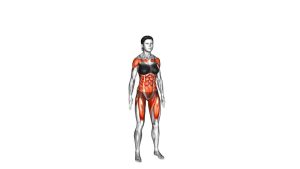
- Stand with feet hip-width apart: Position both feet beneath your hips. Distribute your weight evenly and avoid beginning with an excessively narrow stance.
- Maintain an upright torso: Keep your chest comfortably lifted, shoulders relaxed, and spine neutral. Look forward rather than constantly looking down at your feet.
- Engage your core: Gently brace your abdominal muscles to help control your pelvis and reduce unnecessary torso movement. Continue breathing normally.
- Position your arms naturally: Let your arms rest beside your body, matching the bodyweight variation shown in the video. Avoid excessive arm swinging.
- Prepare your first step: Shift your weight slightly onto the supporting leg while keeping your hips level. Then prepare to move the opposite foot forward.
Foot Placement and Balance Preparation
Keep a small amount of sideways space between your feet as you step. In contrast, placing both feet on one narrow line can make balance more difficult. Your stride should allow both knees to bend comfortably without forcing your hips or ankles.
Tip: Practice a few stationary split-stance lunges first if the forward-stepping transition feels unstable. Then introduce continuous walking as your control improves.
Execution (Step-by-Step)
The Walking Lunge combines forward stepping, controlled lowering, and alternating leg drive. Consequently, each phase should flow into the next without jumping, bouncing, or rushing.
- Step forward with one leg: Take a comfortable forward stride while maintaining approximately hip-width spacing between your feet. Place your leading foot securely on the floor.
- Transfer weight onto the front leg: Allow your body to move forward over the leading foot. Meanwhile, keep your rear foot supported on its toes as the heel naturally lifts from the ground.
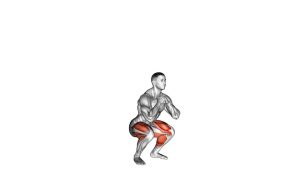
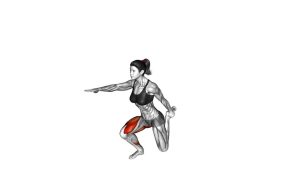
- Lower into the lunge: Bend both knees while lowering your hips toward the floor. Your front knee may approach a 90-degree bend, while the rear knee moves downward. However, use only a comfortable depth.
- Maintain proper alignment: Keep your front knee tracking in the same direction as your toes. Additionally, maintain a controlled pelvis and avoid excessive twisting or sideways leaning.
- Drive upward through the leading foot: Press through the whole front foot, emphasizing stable contact through the heel and midfoot. Extend the front knee and hip to raise your body.
- Bring the rear leg forward: As your body rises, lift the trailing leg and move it forward into the next step. Avoid pushing yourself upward with a jump.
- Alternate into the next lunge: Place the opposite foot forward and repeat the same controlled lowering pattern. Therefore, your previous rear leg becomes the leading leg for the next repetition.
- Continue moving forward: Alternate legs while maintaining consistent stride length, upright posture, and controlled breathing. Repeat until the planned number of repetitions is completed.
Breathing and Movement Tempo
Inhale during the lowering phase and exhale as you drive upward. For better control, use approximately two seconds to lower and one to two seconds to rise. However, avoid forcing a fixed rhythm if your balance or technique begins to deteriorate.
Pro Tips & Common Mistakes
Walking Lunges become more effective when every step is controlled and repeatable. Although the movement looks simple, small technique errors can reduce stability and change how your muscles work.
Pro Tips for Better Walking Lunges
- Keep a comfortable stride length: Choose a step that allows controlled knee bending without excessive hip stretching or unstable landings.
- Maintain full-foot contact: Keep the leading foot stable throughout the lunge. As a result, the quadriceps and glutes can generate force from a secure position.
- Control your torso: Maintain a neutral spine and avoid excessive forward bending. A small natural lean is acceptable when your back remains controlled.
- Focus on knee alignment: Allow the knee to follow the direction of the toes. Additionally, prevent uncontrolled inward collapse as you lower or push upward.
- Use a smooth transition: Drive upward through the front leg before advancing the rear foot. This approach improves rhythm and prevents rushed, unstable steps.
Common Mistakes to Avoid
- Taking excessively long steps: Overstriding may place unnecessary demands on the hip flexors and reduce comfortable movement. Instead, use a manageable stride.
- Stepping on a narrow line: Bringing both feet directly in front of each other creates a tightrope-like position. Therefore, preserve some sideways foot spacing.
- Allowing the front heel to lift: Rising onto the toes unintentionally can reduce stability. Keep the leading foot grounded unless performing a deliberate variation.
- Dropping too quickly: Rapid lowering makes knee and hip control more difficult. Instead, lower deliberately and avoid bouncing from the bottom.
- Rushing between repetitions: Moving too quickly can create unstable foot placement and uneven strides. Consequently, slow down whenever coordination declines.
- Forcing excessive depth: Your rear knee does not need to touch the floor. Use the deepest comfortable position that allows consistent alignment and balance.
- Adding resistance too early: Heavy dumbbells can magnify existing balance problems. Therefore, establish reliable bodyweight technique before progressing.
Tip: Record your technique from the side or front to evaluate stride consistency, torso position, and knee tracking. If your form changes noticeably during a set, reduce the repetitions or rest.
FAQ
Muscles Worked and Exercise Benefits
What muscles do Walking Lunges work?
Walking Lunges primarily strengthen the quadriceps and gluteus maximus. The quadriceps help extend the knee, while the glutes contribute to hip extension as you rise from each repetition.
Additionally, the hamstrings, adductors, calves, and hip stabilizers support controlled movement. Your core also helps maintain balance and limit unwanted torso rotation during the alternating steps.
Are Walking Lunges good for beginners?
Yes, Walking Lunges can be suitable for beginners who have adequate balance and comfortable hip, knee, and ankle mobility. However, the continuous stepping pattern is more demanding than many stationary leg exercises.
Therefore, beginners should start with shorter strides and fewer repetitions. If necessary, practice stationary lunges with nearby support before progressing to continuous forward walking.
Are Walking Lunges better for glutes or quadriceps?
Walking Lunges train both muscle groups effectively. The quadriceps contribute substantially to knee extension, while the glutes help extend the hip and stabilize the pelvis.
However, muscle emphasis varies with stride length, torso angle, mobility, and individual anatomy. Instead of forcing an exaggerated position, maintain controlled technique and progress resistance gradually for muscular development.
Technique, Knee Comfort, and Balance
Should my back knee touch the floor?
No, the rear knee does not need to touch the floor. Instead, lower until you reach a comfortable position while maintaining balance and alignment.
For many people, the rear knee approaches the ground without making contact. Additionally, stopping slightly above the floor can help prevent uncontrolled impact during the lowering phase.
Can my front knee move past my toes?
Yes, some forward knee movement beyond the toes is normal during lunges and other lower-body exercises. The appropriate amount depends on your stride, ankle mobility, and individual proportions.
More importantly, keep your foot stable and your knee tracking in the direction of your toes. However, reduce depth or adjust your stance if knee discomfort develops.
Why do I lose balance during Walking Lunges?
Balance problems often result from stepping too narrowly, rushing forward, or lacking sufficient hip and ankle control. Furthermore, fatigue can make it harder to maintain stable foot placement.
To improve stability, slow your movement and keep your feet approximately hip-width apart rather than stepping along one line. Additionally, practice controlled stationary lunges before attempting longer walking sequences.
Training Frequency and Progression
How often should I perform Walking Lunges?
Many people can include Walking Lunges in their lower-body workouts two or three times per week, depending on overall training volume and recovery.
However, demanding sets may require additional recovery time. Therefore, adjust frequency according to soreness, training experience, and your ability to maintain consistent technique.
Can I add dumbbells or a weighted vest?
Yes, additional resistance can increase the strength and muscle-building demands of Walking Lunges. Once your bodyweight repetitions are stable, dumbbells or a weighted vest provide useful options.
Nevertheless, begin with a light load and monitor your stride length, balance, and knee alignment. Increase resistance gradually rather than sacrificing technique for heavier weights.
What is the difference between Walking Lunges and stationary lunges?
Walking Lunges involve continuous forward progression with alternating legs. In contrast, stationary lunges generally keep the feet in a split stance or return to the same starting position.
Consequently, Walking Lunges introduce additional coordination and dynamic balance demands. Both variations strengthen the legs, although stationary lunges may be easier when learning basic movement control.
Recommended Equipment
The Bodyweight Walking Lunge requires no equipment. However, suitable training accessories can improve comfort, support exercise preparation, or provide resistance for future progressions.
- Non-Slip Cross-Training Shoes — provide stable traction and foot support during forward stepping and alternating lunges
- Hex Dumbbell Set — allows progressive resistance for weighted Walking Lunges once bodyweight technique is mastered
- Adjustable Weighted Vest — adds resistance while keeping the hands free for natural arm positioning and balance
- Mini Loop Resistance Bands — useful for glute activation, lateral walks, and complementary hip-stability exercises
- Adjustable Kettlebell — offers another resistance option for advanced lunges and complementary lower-body training
Tip: Prioritize stable footwear and safe training space before purchasing resistance equipment. Additionally, choose loads that allow full control throughout every repetition. Bodyweight Walking Lunges remain effective without any additional equipment.