Shrimp Squat: Form, Benefits, Sets, Tips & Common Mistakes
Learn the Shrimp Squat for stronger legs, better balance, and single-leg control. Full setup, form cues, sets, mistakes, FAQs, and gear.
Shrimp Squat
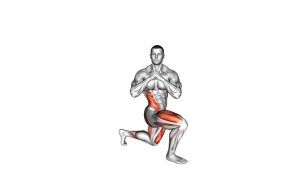
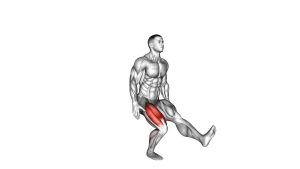
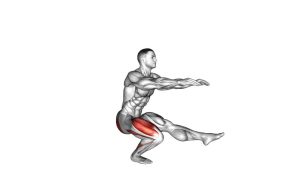
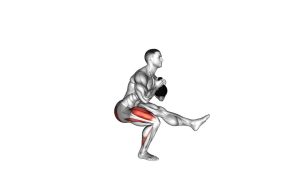
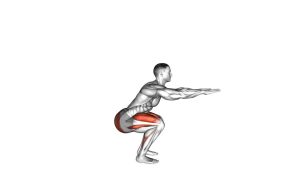
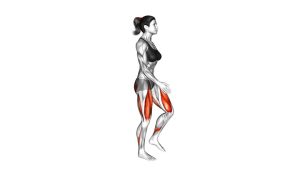
This exercise is best for lifters who already have solid lower-body control, good single-leg balance, and enough knee and ankle mobility to descend safely. Because the Shrimp Squat places high demand on the working leg, every rep should be slow, clean, and controlled. Focus on keeping the working foot planted, the knee tracking in line with the toes, and the torso slightly inclined only as needed for balance.
Quick Overview
| Body Part | Legs |
|---|---|
| Primary Muscle | Quadriceps |
| Secondary Muscle | Glutes, hamstrings, calves, hip stabilizers, core |
| Equipment | Bodyweight only; optional support, mat, or balance aid |
| Difficulty | Advanced |
Sets & Reps (By Goal)
- Strength: 3–5 sets × 3–6 reps per leg with slow control and full rest.
- Muscle building: 3–4 sets × 6–10 reps per leg using a steady tempo.
- Balance and control: 2–4 sets × 4–8 reps per leg with a 2–3 second descent.
- Skill practice: 2–3 sets × 3–5 perfect reps per side, stopping before form breaks.
Progression rule: Master assisted and partial-range reps first. Increase depth before increasing total reps or adding load.
Setup / Starting Position
- Stand tall on one leg: Place your working foot flat on the floor with the heel, big toe, and little toe grounded.
- Bend the non-working leg behind you: Keep the rear knee pointing down and the foot lifted toward the glutes.
- Set your posture: Keep your chest controlled, ribs stacked, and core lightly braced.
- Use your arms for balance: Reach forward or keep the arms in a comfortable counterbalance position.
- Find control before moving: Do not begin the descent until the working leg feels stable.
Execution (Step-by-Step)
- Begin the descent: Bend the working knee and let the hips move slightly back while staying balanced over the foot.
- Lower slowly: Control the body downward as the rear knee travels toward the floor.
- Track the knee correctly: Keep the working knee aligned with the toes and avoid letting it collapse inward.
- Reach the bottom position: Lower until the rear knee lightly approaches or touches the floor, based on your mobility and control.
- Drive upward: Push through the mid-foot and heel to extend the working knee and hip.
- Finish tall: Return to a stable single-leg standing position before starting the next rep.
Pro Tips & Common Mistakes
- Keep the working foot planted: Do not let the heel lift unless you are intentionally using a modified variation.
- Control the descent: The eccentric phase should be slow enough to prevent crashing into the bottom position.
- Avoid knee collapse: Keep the knee moving in the same direction as the toes.
- Do not rush the lockout: Stand fully and regain balance before the next rep.
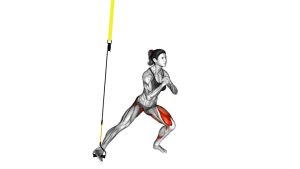
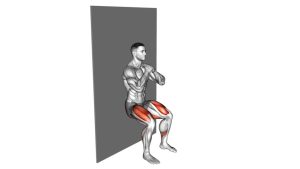
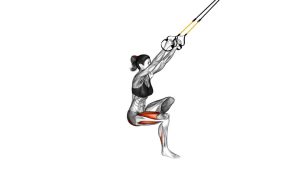
- Use assistance when needed: A wall, rack, or suspension strap can help you learn the pattern safely.
- Progress gradually: Partial reps, supported reps, and tempo reps are better than forcing full-depth reps with poor control.
FAQ
What muscles does the Shrimp Squat work?
The Shrimp Squat mainly targets the quadriceps. It also trains the glutes, hamstrings, calves, hip stabilizers, and core because the body must stay balanced on one leg.
Is the Shrimp Squat harder than a regular squat?
Yes. The Shrimp Squat is much harder because one leg supports the full body while also controlling balance, depth, and knee tracking.
Is the Shrimp Squat good for building legs?
Yes. It is excellent for building unilateral leg strength, especially in the quads and glutes. However, beginners should start with split squats, step-ups, or assisted variations first.
Why do I lose balance during Shrimp Squats?
Balance loss usually happens because of weak foot control, poor hip stability, limited ankle mobility, or moving too fast. Use a wall or support until your reps become stable.
Should my rear knee touch the floor?
A light touch is acceptable if you can control it. Do not slam the rear knee into the floor. Use a pad or reduce depth if the bottom position feels uncomfortable.
Recommended Equipment (Optional)
- Exercise Mat or Knee Pad — helps protect the rear knee when practicing controlled bottom positions
- Suspension Trainer — useful for assisted Shrimp Squat progressions and balance support
- Resistance Bands Set — helpful for mobility drills, warm-ups, and assisted single-leg training
- Squat Slant Board — can assist ankle position and quad-focused squat variations
- Adjustable Weighted Vest — advanced option for adding load after mastering strict bodyweight reps
Tip: Add equipment only after your balance, knee tracking, and depth control are consistent on both legs.