Arms Overhead Full Sit-Up: Form, Sets, Tips & FAQ
Learn how to perform the Arms Overhead Full Sit-Up with proper form. Discover muscles worked, setup, step-by-step execution, sets and reps by goal, common mistakes, FAQs, and recommended equipment.
Arms Overhead Full Sit-Up
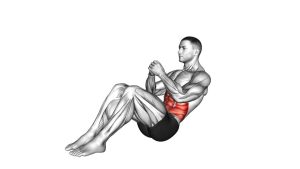
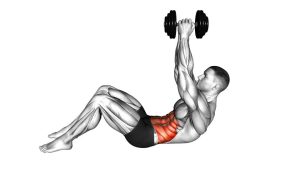
This exercise works best when the rep is driven by the abdominals instead of momentum. A good repetition starts with controlled trunk flexion, continues through a steady rise to the top, and ends with a slow return to the floor. Although the hip flexors assist during full sit-ups, your main goal should still be to keep tension on the abs and avoid swinging the arms or jerking through the sticking point.
Quick Overview
| Body Part | Abs |
|---|---|
| Primary Muscle | Rectus abdominis |
| Secondary Muscle | Obliques, hip flexors, transverse abdominis, spinal stabilizers |
| Equipment | None; optional exercise mat or ab mat |
| Difficulty | Beginner to Intermediate |
Sets & Reps (By Goal)
- Technique practice: 2–3 sets × 6–10 reps with slow tempo and 45–60 seconds rest
- Core strength: 3–4 sets × 8–15 reps with controlled lowering and 60–90 seconds rest
- Muscular endurance: 2–4 sets × 15–25 reps with steady rhythm and 45–75 seconds rest
- Warm-up / activation: 1–2 sets × 5–8 reps, focusing on bracing and movement quality
Progression rule: First improve control, then increase reps. After that, add difficulty by slowing the eccentric, pausing at the top, holding the arms farther overhead, or progressing to light external resistance.
Setup / Starting Position
- Lie flat on the floor: Start in a supine position with your legs straight or slightly bent if that feels more comfortable on your lower back.
- Extend your arms overhead: Reach the arms long behind or above your head to increase lever length and create a longer core challenge.
- Brace your midsection: Tighten the abs gently before you move so the torso rises with control rather than with a sudden swing.
- Set your head and neck: Keep the chin neutral and avoid cranking the neck forward.
- Ground the lower body: Let the heels stay in light contact with the floor and keep the legs quiet throughout the rep.
Tip: Beginners who struggle with the full range can slightly bend the knees or bring the arms forward sooner to make the sit-up easier.
Execution (Step-by-Step)
- Initiate with the abs: Start the rep by drawing the ribs toward the pelvis and lifting the head, shoulders, and upper back off the floor.
- Bring the torso upward: Continue curling through the mid-back as you rise toward a seated position, keeping the movement smooth instead of explosive.
- Reach forward at the top: Finish in an upright seated position with the abs squeezed and the torso tall, without slumping or collapsing.
- Control the descent: Lower yourself back down one segment at a time, resisting gravity instead of dropping quickly to the floor.
- Reset and repeat: Return to the starting position with your arms extended and your core still engaged before beginning the next repetition.
Pro Tips & Common Mistakes
- Lead with trunk flexion: Think about curling the torso up rather than throwing the arms forward for momentum.
- Keep the movement controlled: A slow eccentric usually improves abdominal tension more than fast, loose reps.
- Do not yank the neck: Keep the neck long and relaxed instead of jutting the chin forward.
- Avoid excessive swinging: The arms can assist leverage, but they should not turn the rep into a ballistic sit-up.
- Use a manageable range: If the full sit-up bothers your back or hips, shorten the range or substitute a bent-knee variation.
- Match breathing to the rep: Exhale as you rise, then inhale as you return to the floor under control.
FAQ
What muscles does the Arms Overhead Full Sit-Up work most?
The main target is the rectus abdominis. The obliques and deep core muscles help stabilize the torso, while the hip flexors contribute as you move through the full sit-up range.
Is this harder than a regular sit-up?
Yes. Holding the arms overhead lengthens the lever and usually makes the repetition feel more demanding, especially during the early part of the lift and the controlled descent.
Should my legs stay straight?
They can, but straight legs make the movement tougher for many lifters. If you feel too much strain in the lower back or hips, slightly bend the knees until your core control improves.
Can beginners use this exercise?
Yes, but beginners should focus on strict reps and modest volume. If needed, start with bent-knee sit-ups, crunches, or a shorter range of motion before progressing to full overhead sit-ups.
What is the biggest mistake with full sit-ups?
The most common mistake is using momentum instead of abdominal control. Fast arm swings, bouncing, and uncontrolled descents reduce the quality of the rep and can increase unnecessary strain.
Recommended Equipment (Optional)
- Ab Mat / Sit-Up Mat — useful for adding comfort and increasing abdominal range during sit-up variations
- Exercise Mat — gives your spine and tailbone better support on floor-based core training
- Adjustable Ankle Weights — an optional progression tool for more advanced ab work when bodyweight reps become too easy
- Resistance Bands — great for pairing with anti-extension, anti-rotation, and full core circuits
- Adjustable Sit-Up Bench — helpful if you want to progress into decline sit-ups or other advanced abdominal variations
Tip: Use equipment to improve comfort or progression, not to rush the exercise. Clean reps and controlled tempo matter more than making the movement look harder.