Dumbbell External Rotation: Proper Form, Sets, Tips & FAQ
Learn how to perform the Dumbbell External Rotation with proper form to strengthen the rotator cuff, improve shoulder stability, and support healthier pressing and pulling mechanics. Includes setup, execution, sets by goal, mistakes, FAQ, and recommended equipment.
Dumbbell External Rotation
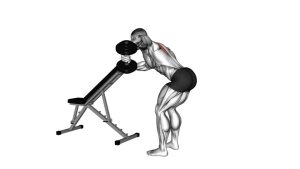
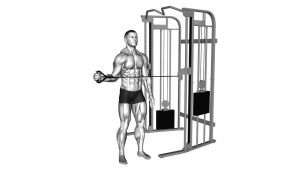
This exercise is most effective when performed with a light load and strict form. You should feel the work in the back of the shoulder and deep rotator cuff area, especially around the infraspinatus and teres minor, rather than in the traps, wrists, or lower back. The range of motion is usually modest, but the muscular demand is high when you keep the movement clean and controlled.
Quick Overview
| Body Part | Shoulders |
|---|---|
| Primary Muscle | Infraspinatus and teres minor |
| Secondary Muscle | Rear deltoids, scapular stabilizers, and other rotator cuff support muscles |
| Equipment | Single dumbbell |
| Difficulty | Beginner to intermediate (technical control matters more than load) |
Sets & Reps (By Goal)
- Shoulder health / prehab: 2–3 sets × 10–15 reps per side with light weight and slow control
- Warm-up before upper-body training: 1–2 sets × 12–15 reps per side with easy effort
- Rotator cuff strengthening: 3–4 sets × 8–12 reps per side with strict tempo and full control
- Rehab-style movement practice: 2–3 sets × 10–12 reps per side using very light resistance and pain-free motion
Progression rule: Increase control first, then reps, then load. For most lifters, rotator cuff work responds better to smoother reps and cleaner positioning than to heavier dumbbells.
Setup / Starting Position
- Stand tall: Keep your feet about hip- to shoulder-width apart with your chest up and core lightly braced.
- Hold the dumbbell securely: Use a grip that feels stable and keeps your wrist neutral throughout the movement.
- Bend the working arm: Bring the elbow to roughly 90 degrees and keep it close to your side.
- Set the shoulder: Gently pull the shoulder blade into a stable position without shrugging.
- Start from neutral: Begin with the forearm in front of the body, ready to rotate outward from the shoulder joint.
Tip: Placing a small towel between the elbow and torso can help you maintain better alignment and prevent the arm from drifting.
Execution (Step-by-Step)
- Brace and stabilize: Keep your torso still, ribs down, and shoulders level before you begin the rep.
- Rotate outward: Move the forearm away from the midline by externally rotating the shoulder while keeping the elbow pinned near your side.
- Pause briefly: Stop once you reach your comfortable end range without losing shoulder position or turning the motion into a body twist.
- Lower with control: Return the dumbbell slowly to the starting position without letting it drop or bounce back.
- Repeat smoothly: Maintain the same tempo and path on every rep, keeping the movement small, clean, and deliberate.
Pro Tips & Common Mistakes
- Use lighter weight than you think: Rotator cuff muscles respond best to precision and tension, not ego loading.
- Anchor the elbow: Letting it drift away from the body shifts stress away from the target muscles.
- Rotate from the shoulder, not the wrist: The forearm moves because the shoulder rotates, not because the hand twists.
- Keep the torso quiet: Do not lean, twist, or swing to create extra range.
- Avoid shrugging: Elevating the shoulder reduces clean cuff activation and can irritate the neck or upper traps.
- Control both directions: The lowering phase matters just as much as the outward rotation.
- Stay pain-free: Mild muscular effort is normal, but pinching or joint pain is a sign to reduce range, resistance, or both.
FAQ
What muscles does the dumbbell external rotation work?
It primarily targets the infraspinatus and teres minor, which are key rotator cuff muscles responsible for external shoulder rotation and joint stability.
Should I use heavy dumbbells for this exercise?
Usually no. This movement is best done with a light weight that allows strict form, a stable elbow position, and smooth control from start to finish.
Where should I feel this exercise?
You should feel it mainly in the back of the shoulder and deep rotator cuff area. If you feel mostly traps, wrists, or lower back, your setup or load may need adjustment.
Is this exercise good for shoulder stability?
Yes. Dumbbell external rotation is commonly used to build rotator cuff strength, improve shoulder mechanics, and support healthier pressing, pulling, and overhead training.
Can beginners do dumbbell external rotations?
Yes. Beginners can benefit a lot from this movement as long as they start with a manageable weight, move slowly, and prioritize control over range or resistance.
Recommended Equipment (Optional)
- Light Adjustable Dumbbells — ideal for small shoulder stability movements where gradual load increases matter
- Neoprene Dumbbell Set — useful for very light rotator cuff work, warm-ups, and rehab-style training
- Resistance Bands for Shoulder Rehab — a great alternative for external rotations, pull-aparts, and shoulder activation drills
- Foam Roller — helpful for upper-back mobility work that complements shoulder positioning
- Massage Ball — useful for soft-tissue work around the chest, rear shoulder, and upper back
Tip: External rotation work pairs well with light band pull-aparts, scapular control drills, and upper-back mobility for stronger, healthier shoulders.